Quick Navigation
- Why Bother? The Surprising Perks of Picking Up a Rod
- The Beginner's Fishing Gear: What You NEED vs. What's Nice
- Your First Trip: A Step-by-Step Plan (So You Don't Just Sit There)
- What Are You Catching? Common Beginner Fish
- Safety, Ethics, and Not Being "That Guy" at the Lake
- Leveling Up: Next Steps After Your First Catch
- Answers to Those Nagging Beginner Questions
Let's be honest. The idea of fishing looks simple from the shore. Someone throws a line, waits, and maybe pulls in a fish. How hard can it be? I thought the same thing before my first real trip. I bought the cheapest combo I could find, got some hooks that looked okay, and headed to a local pond. Five hours later, all I had was a sunburn and a tangled mess of line that looked like a bird's nest. I was ready to give up.
But I didn't. And that's the point of this guide. Fishing for beginners doesn't have to be frustrating. It can actually be simple, relaxing, and incredibly rewarding if you skip the mistakes most people (like me) make at the start.
This isn't a technical manual written by a pro who forgot what it's like to not know a swivel from a sinker. This is a straight-talking guide from someone who's been in the muddy shoes of a total newbie and figured it out, piece by piece. We're going to cover the absolute basics of fishing for beginners, from the gear you actually need to the simple tricks that will help you catch something other than a cold.
Why Bother? The Surprising Perks of Picking Up a Rod
Before we talk gear, let's talk about why you're even considering this. Sure, catching dinner is cool. But there's more to it.
For me, it became an escape. No screens, no notifications—just the water and your thoughts. The American Psychological Association highlights outdoor activities like fishing as significant stress-relievers. It's not just hype. That act of focusing on the float or the tip of your rod pushes everything else out of your mind. It's a form of active meditation.
It's also a dirt-cheap way to get outside. Once you have the basic gear (and we'll get to a budget-friendly list), your main cost is often just a fishing license and some bait. Compare that to almost any other hobby. Plus, you learn patience. Real, genuine patience. In a world of instant gratification, waiting for a bite teaches you something valuable.
Honestly, the first time you feel that tug on the line, that little *thump* through the rod... it's a thrill. It connects you to something primal and simple. That's the hook (pun intended) that turns beginners into lifelong anglers.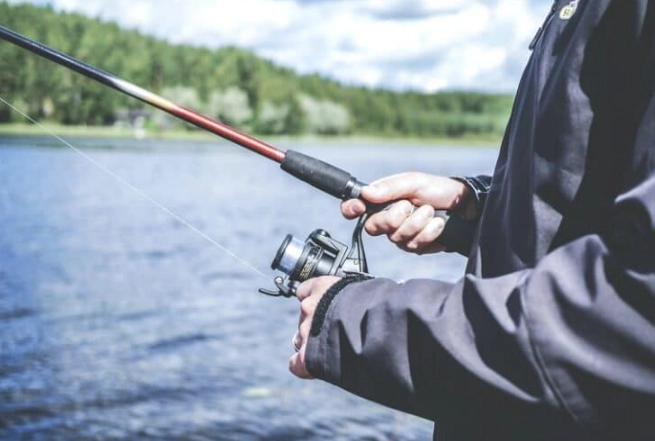
The Beginner's Fishing Gear: What You NEED vs. What's Nice
This is where most guides overwhelm you. They list twenty "essential" items. You don't need twenty. You need maybe five to start. The fishing industry wants to sell you gadgets, but a minimalist approach is better for fishing for beginners.
The Non-Negotiable Starter Kit
- A Rod and Reel Combo: Don't buy them separately yet. Get a pre-spooled, medium-action spinning combo. A 6 to 7-foot rod is perfect. Brands like Ugly Stik are famously durable for beginners. Spend $40-$60 here, not $20. The super-cheap ones will just frustrate you.
- Fishing Line: Your combo will come with line, but it's usually low quality. I made this mistake. Pick up a small spool of 6-10 pound test monofilament line. It's forgiving and easy to handle. Berkley Trilene is a classic for a reason.
- Hooks: Get a pack of "bait holder" hooks in size 6 or 8. They have little barbs to keep your worm on. Circle hooks in size 1/0 are also great as they often hook the fish in the corner of the mouth, making release easier.
- Sinkers/Weights: A simple pack of split shot sinkers. You just pinch them on your line.
- Floats/Bobbers: The classic red and white plastic bobber is your best friend as a beginner. It's a visual bite detector. Get a few in different sizes.
- Bait: Live worms (nightcrawlers) are the universal starter bait. They catch almost everything. Pick up a container from any gas station or tackle shop.
- Pliers or Forceps: For getting hooks out. This is a safety and fish-safety must-have.
- A License: This isn't gear, but it's the most important thing. Fishing without a license is a great way to get a hefty fine. Regulations vary wildly. Use the U.S. Fish & Wildlife Service's fishing license page to find direct links to your state's agency to buy one online. It's usually quick and easy.
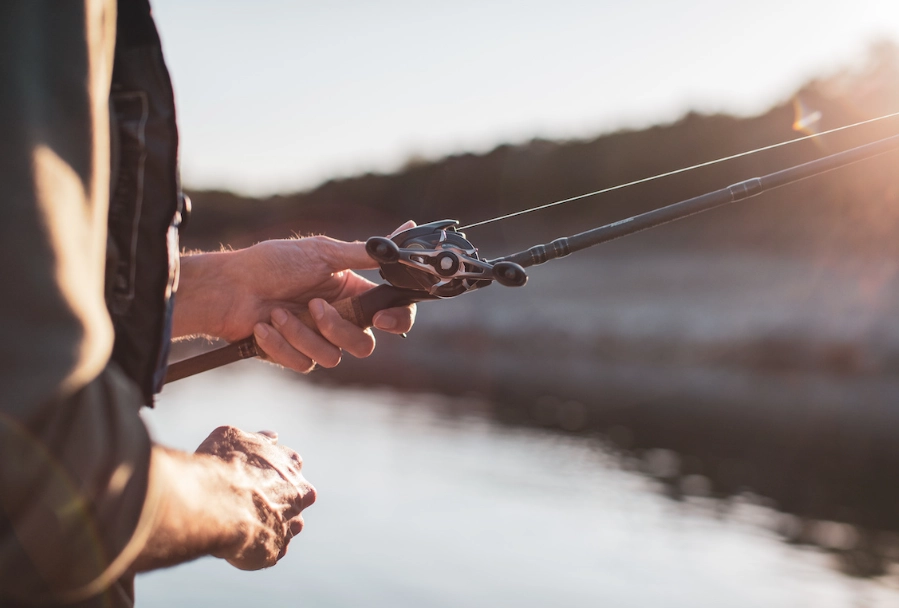
That's literally it for your first few trips. Put it all in a small bag or bucket. You don't need a $200 tackle box yet.
Rod Types Demystified: A Quick Comparison
You'll hear terms like spinning, spincast, and baitcasting. Here's the brutal truth for beginners in fishing.
| Type | Best For Beginners? | Why? | The Downside |
|---|---|---|---|
| Spinning Rod/Reel | YES. The top choice. | Easy to use, less prone to tangles ("backlashes"), versatile for many techniques. The reel hangs below the rod. | Can be slightly less accurate for pinpoint casting than other types (but you won't notice as a beginner). |
| Spincast Rod/Reel (Closed Face) | Yes, for absolute novices/kids. | Very simple "push-button" operation. The reel is enclosed, protecting the line. Great for first-timers who are intimidated. | Less control, less power, not as smooth for fighting fish. You'll likely outgrow it quickly. |
| Baitcasting Rod/Reel | NO. Avoid at first. | Offers great control and power for experienced anglers targeting big fish with heavy lures. | Prone to horrible, frustrating tangles called backlashes. Has a steep learning curve. It will make you want to quit. |
See? Spinning gear is your gateway. Stick with it.
Your First Trip: A Step-by-Step Plan (So You Don't Just Sit There)
Okay, you have your gear and license. Now what? Don't just drive to a random lake. A little planning makes all the difference.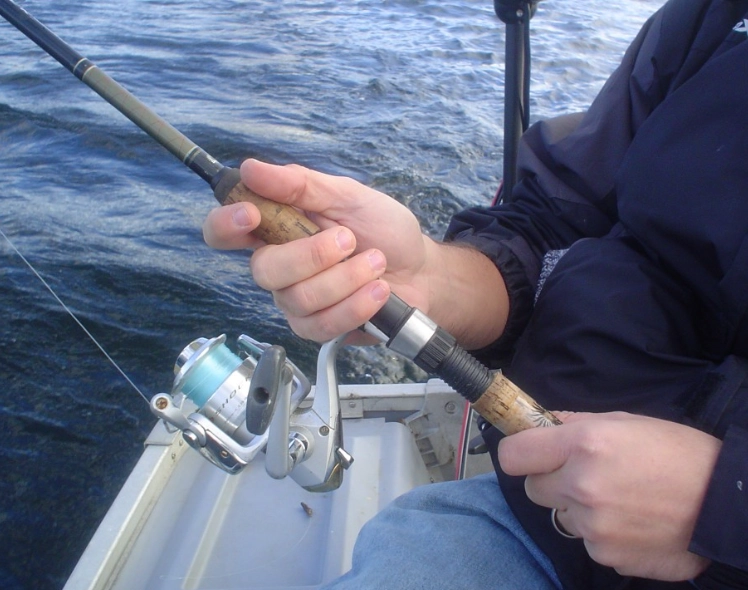
Where to Go: Finding the Fish
This is the biggest question for beginners starting fishing. Fish aren't evenly spread everywhere.
Start with small, public ponds or community lakes. They are often stocked with fish like bluegill, sunfish, and catfish that are easier to catch. Check your state's wildlife agency website—they usually have lists of stocked ponds perfect for beginners. Look for features:
- Docks and Piers: Easy access, often deeper water nearby.
- Weed Lines or Lily Pads: Fish hang here for cover and food.
- Overhanging Trees: Bugs fall in, fish wait below.
- Inlets/Outlets (where water flows in/out): Oxygen and food are concentrated.
I made the mistake of starting at a huge, deep reservoir. It was beautiful, but I was casting into a fish desert. A small, weedy farm pond yielded a dozen bluegill in an hour.
The Basic Rig: How to Set It All Up
Let's tie it all together. We'll use the simplest, most effective rig for a beginner.
- Tie on the Hook: Use a simple Improved Clinch Knot. (Search this on YouTube—it's a 30-second visual lesson). Practice at home 5 times.
- Attach the Bobber: Clip it onto your line about 1.5 to 2 feet above the hook. The depth from hook to bobber should be roughly the depth of the water you're fishing.
- Add a Split Shot: Pinch one small split shot weight onto the line about 6-10 inches above the hook. This helps your bait sink down but keeps it from dragging on the bottom.
- Bait the Hook: Thread a worm onto the hook, covering the point and the bend. Leave a little wiggling end if you can.
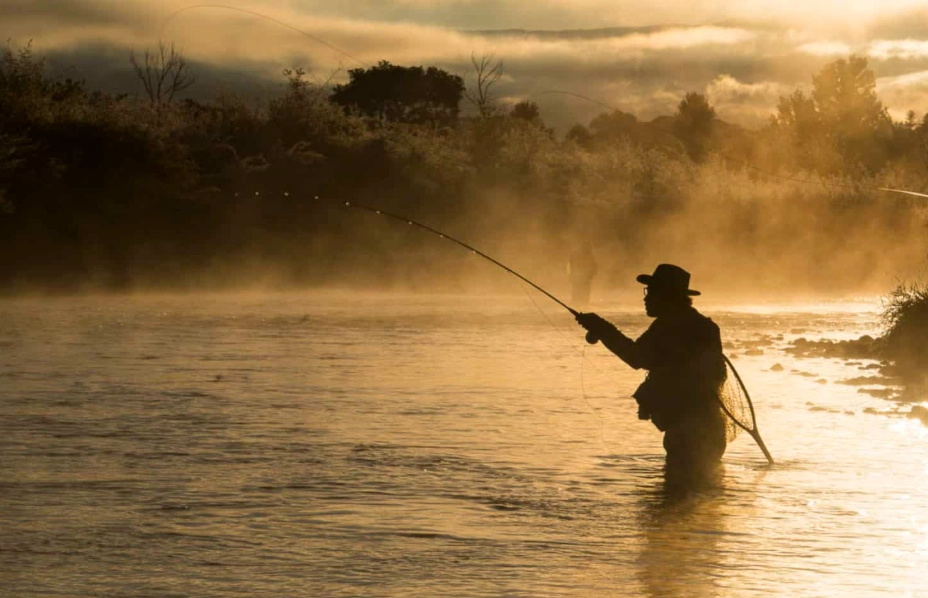
Now, wait. Watch the bobber. If it jiggles, darts sideways, or goes completely under, wait a second, then gently lift the rod tip to set the hook. Don't yank it like you're starting a lawnmower—a firm, smooth lift is enough.
What Are You Catching? Common Beginner Fish
Knowing what's likely to bite helps. Here are the usual suspects in freshwater, ranked by how easy they are to catch.
| Fish | Why It's Great for Beginners | Best Bait | How It Bites |
|---|---|---|---|
| Bluegill / Sunfish | Abundant, hungry, found in almost every pond. Small but feisty. | Live worm piece, small cricket under a bobber. | Bobber will dance and dip repeatedly. |
| Catfish (Channel Cat) | Often stocked, not picky eaters, good size. Active at night. | Live worm, stink bait, chicken liver on the bottom. | Slow, steady pull. Rod tip will bend over. |
| Trout (Stocked) | Placed in lakes/streams for anglers. Will bite readily after stocking. | PowerBait dough, small spinners, worms. | Often a sharp, quick tap. |
| Largemouth Bass | The classic sportfish. A thrill to catch. | Plastic worms (Texas-rigged), crankbaits, live minnows. | Can be a thump or a sudden line pull. |
Bluegill are the perfect fishing for beginners training fish. They give you lots of action, which builds confidence.
Safety, Ethics, and Not Being "That Guy" at the Lake
This is the part most beginner guides gloss over, but it's critical.
Safety First: Always tell someone where you're going. Wear a life jacket if you're on a boat or fishing from a slippery bank. Watch for overhead power lines when casting—wet fishing line can conduct electricity. Seriously. And sunscreen. Always sunscreen.
Handling Fish: Wet your hands before touching a fish you plan to release. It protects their slime coat, which is their defense against disease. Use your pliers to gently remove the hook. If it's deeply hooked, it's often better to cut the line as close as possible rather than ripping it out—the hook will often dissolve. Resources like Take Me Fishing have great catch-and-release guides.
Know the Rules: Regulations aren't just about licenses. They cover bag limits (how many you can keep), size limits (minimum or maximum length), and seasons. These rules are there to protect fish populations. Your state's wildlife website has all this info. Ignorance isn't an excuse.
Leave the place cleaner than you found it. Pick up your line scraps (monofilament line is a major hazard to wildlife) and any trash, even if it's not yours. It's just the right thing to do.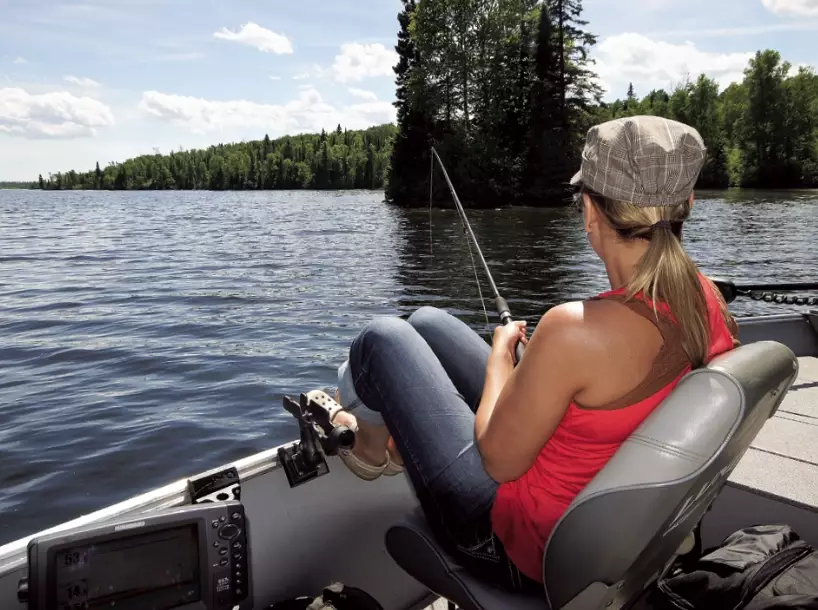
Leveling Up: Next Steps After Your First Catch
You've caught a few fish. The bobber and worm technique works. What now? Here's where you can start to explore and make the hobby your own.
- Try Artificial Lures: Start with a simple inline spinner like a Rooster Tail or a small crankbait. They mimic small fish. Cast and retrieve. You'll cover more water and it's an active, engaging way to fish.
- Learn One New Knot: The Palomar Knot. It's incredibly strong, easy to tie, and works for both hooks and lures. Another quick YouTube search.
- Fish Different Times: Early morning and dusk are often the most productive. Try a sunset session.
- Talk to Other Anglers: Most are friendly if you're respectful. Ask simple questions like "Having any luck?" or "What's biting?" You'll learn local secrets.
Remember, fishing for beginners is a foundation. Don't rush. Enjoy the process of learning. Some days you'll catch nothing, and that's okay. It's still time spent outside, practicing patience.
Answers to Those Nagging Beginner Questions
The path to fishing for beginners is full of small lessons. Each snag, each lost fish, each successful catch teaches you something. Don't get discouraged by the bad days. They make the good days—the ones where everything clicks and you land a beautiful fish—so much sweeter.
Now, go get your license, grab that simple gear, and head to a local pond. Cast out, watch the bobber, and breathe. You're not just fishing. You're learning a skill that can bring you peace and excitement for a lifetime. Welcome to the water.
Reader Comments