Quick Navigation
- Before You Even Touch a Rod: The Essential Foundation
- Your First Fishing Kit: Cutting Through the Noise
- The Core Skill: Rigging Up and Casting
- What To Do When You Actually Get a Bite
- You've Caught a Fish! Now What?
- Leveling Up: Beyond the Bobber
- Answering Your “How to Fish” Questions
- Becoming a Steward: Fishing Ethically and Sustainably
Let's be honest. My first time trying to figure out how to fish was a disaster. I bought a cheap combo from a big-box store, grabbed some random hooks, and spent four hours on a lake catching absolutely nothing but frustration. The line was a tangled mess, the hook kept snagging weeds, and I felt completely lost. If that sounds familiar, or if you're standing at the starting line feeling that same overwhelm, take a deep breath. You're in the right place.
This isn't about turning you into a grizzled expert overnight. It's about skipping the painful mistakes I made and getting you to that magical moment where you feel a tug on the line. That moment changes everything. We're going to break down how to fish into simple, manageable pieces. Forget the complex jargon for now. We'll talk about the gear that actually matters, the simple techniques that work, and the mindset you need. By the end of this, you'll have a clear plan for your first (or first successful) trip to the water.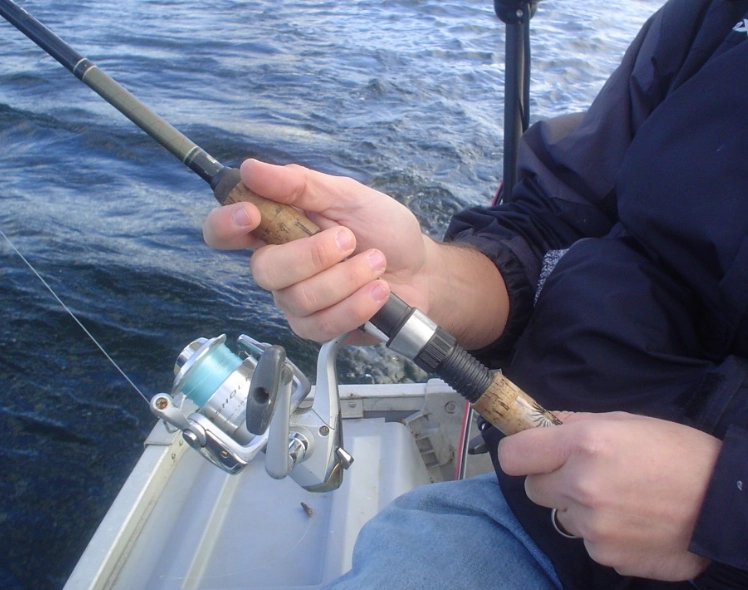
Before You Even Touch a Rod: The Essential Foundation
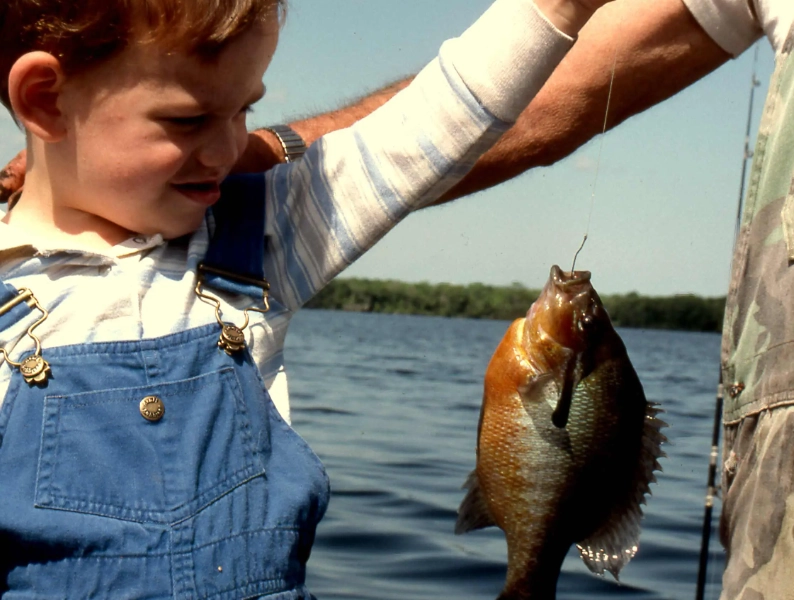
Jumping straight to gear is tempting, but a little groundwork makes everything easier. First, you need to know what you're fishing for. Are you aiming for sunfish (bluegill, crappie) in a local pond? Maybe trout in a stream? The "what" dictates the "how." For your first time out, I strongly recommend targeting panfish. They're plentiful, often found near shore, and will bite more readily, giving you that crucial early confidence boost.
Next, and this is non-negotiable: you need a fishing license. I know, it's paperwork and a small fee, but it's vital. That money goes directly back into conserving the very waters and fish populations you want to enjoy. Regulations vary by state and province. The absolute best place to check is your local government's wildlife agency website. In the U.S., you can start at the U.S. Fish and Wildlife Service website, which often links to state agencies. In Canada, check with your provincial ministry. They'll also list size and catch limits, which are crucial to know.
Finally, scout your location. A small, stocked pond at a local park is a perfect classroom. It's accessible, usually has a dock or clear bank, and holds fish that are used to being fed. It's a forgiving environment to learn in.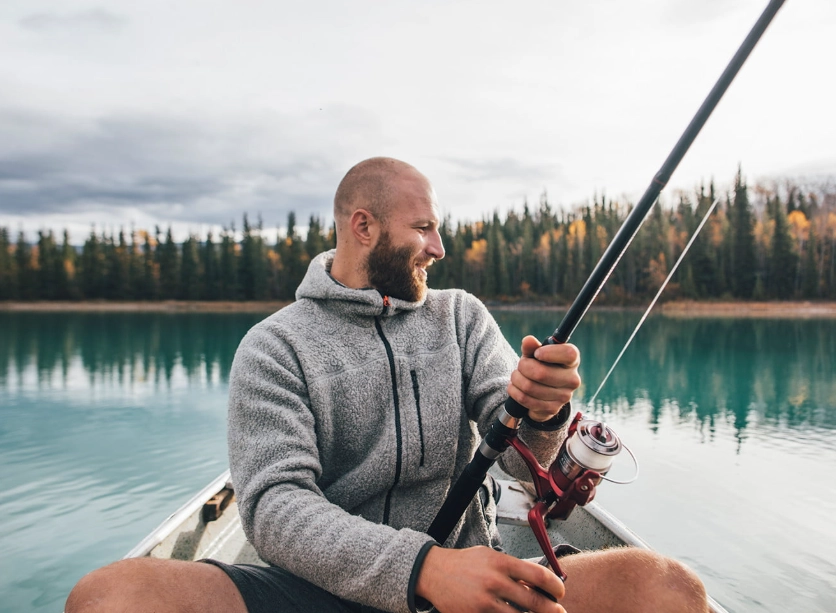
Your First Fishing Kit: Cutting Through the Noise
Walk into a tackle shop and the walls are covered in thousands of lures, rods in every length, and enough gadgets to make your head spin. Ignore 95% of it. For learning how to fish, you need a simple, reliable setup. Here’s the bare-bones list:
- Rod & Reel Combo: A 6 to 7-foot light or ultra-light power spinning combo. "Spinning" means the reel hangs below the rod. This is the easiest type to use. The combo part is key—it means the rod and reel are matched and sold together, so you don't have to worry about compatibility. You can find decent beginner combos for under $40.
- Fishing Line: The combo might come with line, but it's often cheap. Spool it with 4 to 8-pound test monofilament line. It's forgiving, easy to tie, and strong enough for panfish and small bass.
- Hooks: Size 6 or 8 "baitholder" hooks. They have little barbs on the shank to keep your bait from sliding off. For now, avoid tiny hooks (they're hard to handle) and giant hooks (they'll scare small fish).
- Weights (Split Shot): A small pack of split shot sinkers. These are little round weights with a groove you pinch onto your line. They get your bait down in the water.
- Bobber (Float): A simple round red-and-white bobber. It's your visual bite indicator. When it dips or dances, something's interested in your bait.
- Bait: Live worms are the classic for a reason. They wiggle, smell, and fish love them. A small container of nightcrawlers from a bait shop or gas station is perfect. Artificial baits like small soft plastic grubs on a jig head also work well and are less messy.
- Extras: Needle-nose pliers (for removing hooks), a small towel, and a pair of nail clippers or line cutters.
Choosing Your First Rod: A Quick Comparison
Let's make sense of rod choices. This table breaks down the two best starter paths.
| Rod Type & Power | Best For... | Why It's a Good Starter Choice | A Drawback to Consider |
|---|---|---|---|
| Ultra-Light Spinning Rod (5'6" - 7") | Panfish (bluegill, crappie), trout in small streams. | Extremely sensitive—you'll feel every nibble. Makes small fish feel like champions. Lightweight and easy to handle all day. | Can struggle with larger fish. You have to be more gentle when fighting a bass if you hook one. |
| Light Power Spinning Rod (6' - 7") | Panfish, small bass, walleye, trout in bigger water. | More versatile. Can handle a wider range of fish sizes comfortably. A true "all-rounder" for inland ponds and lakes. | Slightly less sensitive to very light bites compared to ultra-light. |
My pick? Go with the Light Power rod. That extra bit of versatility means you won't feel under-gunned if a larger fish takes your bait. It's the perfect tool to learn the fundamentals of how to fish.
The Core Skill: Rigging Up and Casting
This is where the rubber meets the road. Let's get your line in the water. We'll use the simplest, most effective beginner rig: the Bobber Rig.
- Tie on your hook. Use the Improved Clinch Knot. It's the most important knot in fishing. Pass the line through the hook eye, wrap it around the main line 5-7 times, thread the end back through the loop near the eye, then back through the big loop you just created. Moisten it and pull tight. (Search this knot on YouTube—it's easier to see than read).
- Attach your bobber. Pinch the bobber's spring clip onto your line about 1.5 to 2 feet above the hook. This sets your bait's depth.
- Add a small weight. Pinch a single split shot sinker onto the line about 6-12 inches above the hook. This balances the bobber and gets the bait down.
- Bait the hook. For a worm, thread it onto the hook, covering the point and barb. Leave a little wiggly end. Don't be shy—a healthy-looking bait is more attractive.
Now, for the cast. This intimidates everyone at first.
- Hold the rod with your dominant hand. Use your other hand to grab the line where it comes off the reel, and flip the little wire arm (the "bail") open.
- Point the rod tip at your target, bring it back smoothly to about 2 o'clock, then accelerate forward to 10 o'clock, releasing the line as you do.
- Don't try to muscle it. It's a flick of the wrist, not a baseball throw. Practice in your backyard (without the hook!) to get the feel.
What To Do When You Actually Get a Bite
You're watching the bobber. It twitches. Then it jiggles. Then it goes completely under! Adrenaline hits. What now?
Don't yank immediately. That's the biggest beginner mistake. Some fish, like bluegill, will nibble and peck at the bait. If you jerk too soon, you'll pull the bait right out of their mouth. Wait for a definite, sustained pull or for the bobber to stay under. Then, in one firm (but not violent) motion, lift the rod tip up and back to set the hook. You're trying to drive the point of the hook into the fish's mouth.
You'll feel weight. The rod will bend. That's the fight. Keep the rod tip up and use the reel's drag (the adjustable tension knob on the reel) to let the fish run if it pulls hard. Don't just reel wildly. Reel when you can, lift the rod to gain line, then reel as you lower it. Guide the fish toward you. Use a net if you have one, or gently lead it onto a shallow bank.
You've Caught a Fish! Now What?
Handling your catch is where respect for the animal comes in. Wet your hands before touching the fish. This protects its slimy coating, which is a barrier against disease. Use your needle-nose pliers to gently grasp the hook and twist it out. If it's deep, it's sometimes better to cut the line as close as possible—the hook will often rust out quickly.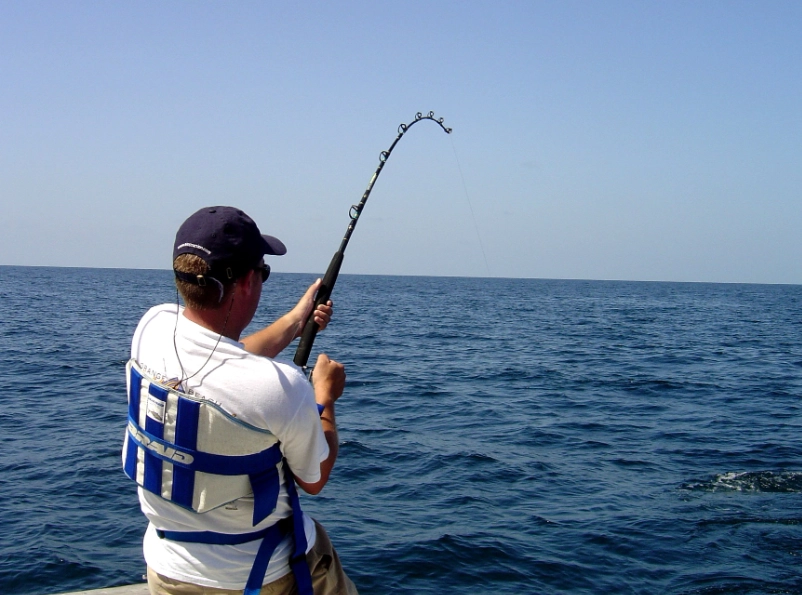
Decide quickly: are you keeping it or releasing it? Know the regulations. If releasing, support its body horizontally, and if needed, gently move it forward in the water to pass water over its gills until it swims away strongly. If keeping it for a meal, a quick, humane dispatch is key. I use the "iki jime" method (a quick spike to the brain) or a sharp blow to the head. It's the most respectful end.
Leveling Up: Beyond the Bobber
Once you've mastered the bobber rig and caught a few fish, you'll naturally want to try new things. This is where learning how to fish gets really fun.
Bottom Fishing
Instead of a bobber, you use a slightly heavier weight at the end of your line, with one or two hooks above it. You cast it out and let it sit on the bottom. This is great for catfish, carp, or bottom-feeding panfish. You'll need a rod with a bit more backbone for this, but it's a passive, relaxing way to fish.
Basic Lure Fishing
This is active fishing. You're constantly casting and retrieving an artificial lure that imitates prey. The two best starter lures are:
- Inline Spinner (like a Mepps or Rooster Tail): Cast, reel steadily. The blade spins and flashes, attracting fish. Deadly for trout, bass, and pike.
- Small Plastic Grub on a Jig Head: Simple. Cast, let it sink, then retrieve with little hops off the bottom. It mimics a worm or minnow.
Lure fishing teaches you to "work" the water and think like a predator. It's less about waiting and more about searching.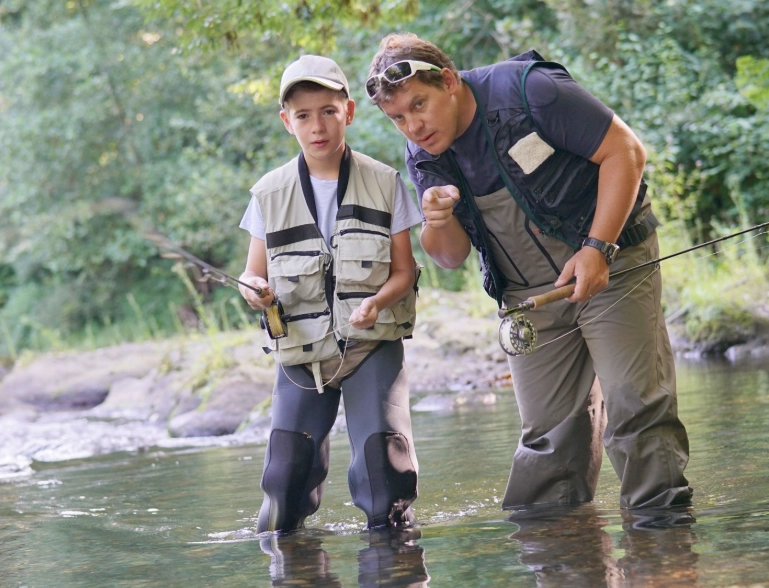
Answering Your “How to Fish” Questions
Becoming a Steward: Fishing Ethically and Sustainably
Learning how to fish comes with responsibility. We're visitors in the fish's home. Follow all size and creel (catch) limits—they're based on science to ensure healthy populations. Avoid littering at all costs. Pack out more than you pack in. Handle fish with care, especially those you release. Consider using barbless hooks; they're much easier to remove and cause less damage. Organizations like Take Me Fishing have great resources on conservation and ethical practices.
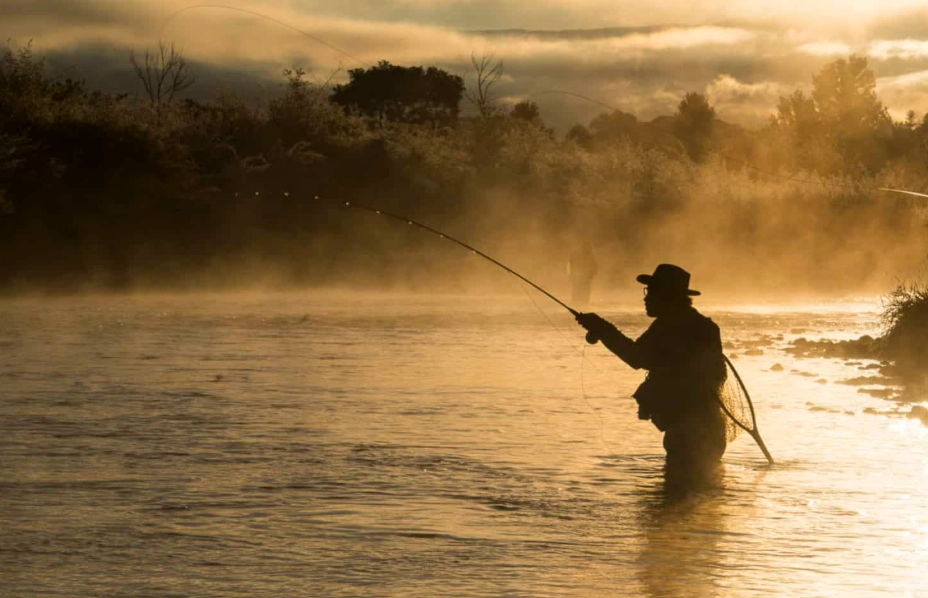
The journey of learning how to fish never really ends. There are always new species to target, new techniques to try (fly fishing, kayak fishing, surf casting), and new waters to explore. But it all starts with that first simple rig, a little patience, and the willingness to get out there. The water is waiting. Your first tug on the line is out there. Now you know how to fish well enough to go find it.
Reader Comments