Quick Guide
Let's be honest. You've probably watched a few videos, read some articles that promised the "secret" to catching fish, and still ended up with a tangled line and empty cooler. I've been there. The world of fishing techniques can feel overwhelming—so many rods, reels, lures, and methods, each with its own passionate advocates claiming it's the best. It's enough to make you want to just buy the fish from the market.
But hang on. It doesn't have to be that complicated.
This isn't about listing every obscure method under the sun. It's about understanding the core, practical fishing techniques that actually work in real-world situations. We're going to cut through the jargon and the gearhead talk. Whether you're standing on a quiet lake shore, casting from a beach, or figuring out how to not look like a complete novice on a friend's boat, the right approach makes all the difference. And it's less about fancy equipment and more about knowing what you're doing.
Getting Started: The Fishing Techniques That Actually Catch Fish
Before we dive into the niche stuff, let's ground ourselves in the methods that form the backbone of recreational fishing. These are the ones you'll use 80% of the time. Think of them as your essential toolkit.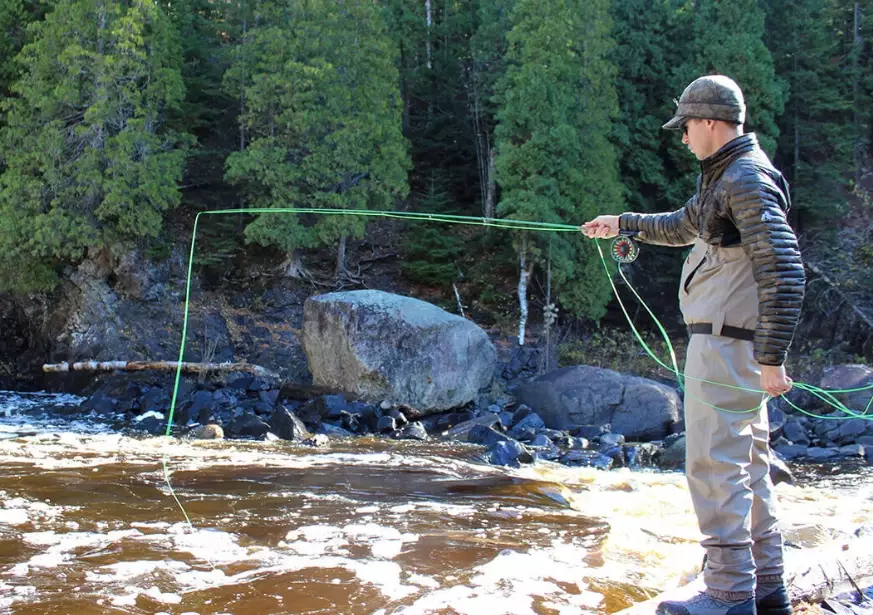
Spin Fishing: The Reliable Workhorse
If you only learn one set of fishing techniques, make it spin fishing. It's the most common, forgiving, and versatile method out there. A spinning reel (the kind that hangs below the rod) is designed to minimize backlash (that dreaded bird's nest of tangled line). You can use it for everything from tiny panfish to decent-sized bass and walleye.
The real art here is in the presentation. You're not just chucking a lure and reeling it back. You're trying to mimic something a fish wants to eat. A slow, steady retrieve might imitate a wounded minnow. A series of sharp jerks (called "jigging") makes a lure dart and flutter like a scared baitfish. Letting a soft plastic worm sink to the bottom and then twitching it subtly can be irresistible to a lurking bass. The key is to experiment. Sometimes fish want it fast and aggressive; other days, they'll only bite something moving slower than a snail.
Bait Fishing: The Classic and Effective Approach
Sometimes, the old ways are the best. Using live or natural bait is arguably the most effective fishing technique for sheer numbers of bites. Why? Because it's real. It smells right, feels right, and tastes right to a fish. The challenge shifts from manipulating an artificial lure to presenting the real thing in a natural way.
You've got options. A worm threaded neatly on a hook, fished on the bottom with a sinker, is a universal fish-catcher. For panfish like bluegill, a tiny piece of worm under a small float (bobber) is deadly. In saltwater, nothing beats a live shrimp or a chunk of cut bait (like mullet or squid) for species like redfish, snapper, or catfish.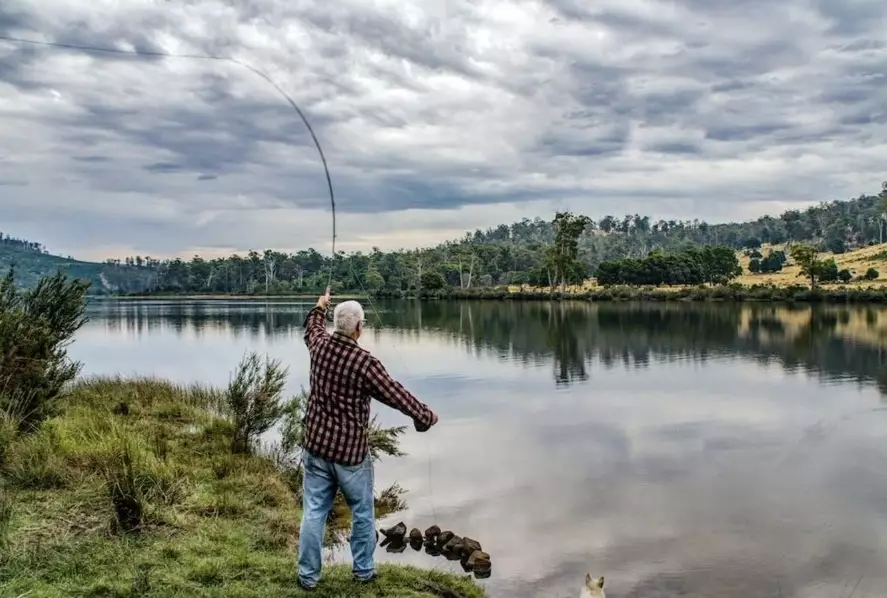
The downside? It can be messy. It requires more upkeep (keeping worms alive, bait fresh). And in some waters, it can lead to catching smaller, less desirable fish ("bait stealers") more often. But for a relaxing day where the goal is simply to feel a tug on the line, it's hard to beat.
Lure Fishing: The Art of Deception
This is where fishing starts to feel like a sport. Lure fishing involves using artificial imitations—made of plastic, wood, or metal—to trick a fish into biting. It's active, engaging, and deeply satisfying when it works. The variety is staggering, but they fall into a few main categories, each suited to specific fishing techniques.
Here’s a quick breakdown of the most common lure types and when to use them:
| Lure Type | What It Imitates | Best For | My Honest Take |
|---|---|---|---|
| Crankbaits | Small fish (minnows, shad) | Covering water quickly, probing depths. Great for bass and walleye in open water or along structures. | Easy to use (cast and retrieve) but they get snagged on everything. Have a lure retriever handy. |
| Spinnerbaits | A fleeing or flashing baitfish | Murky water, fishing around weeds and timber. The blade creates vibration fish can sense. | Incredibly snag-resistant. A go-to when fishing in "junk"—places full of branches and grass. |
| Soft Plastics (Worms, Craws) | Worms, lizards, crayfish | Finesse fishing, when fish are picky or in heavy cover. The most versatile lures ever. | You'll lose a lot to snags. But the cost is low, and the effectiveness is sky-high. A must-have. |
| Topwater Lures | Injured fish, frogs, insects | Dawn, dusk, or at night. Provides the most explosive, heart-stopping strikes. | The most fun you can have fishing. Also the most frustrating, as fish often miss the hook. Prepare for excitement and letdowns. |
Mastering lure fishing techniques is about matching the hatch—using a lure that resembles what the fish are actually eating in that particular water at that particular time. It requires more observation and thought than bait fishing, which is precisely why many anglers find it so rewarding.
So, which one is best?
It depends entirely on your target fish, the environment, and even the time of year. A good angler is like a chef with a well-stocked kitchen—they know which tool to use for which dish.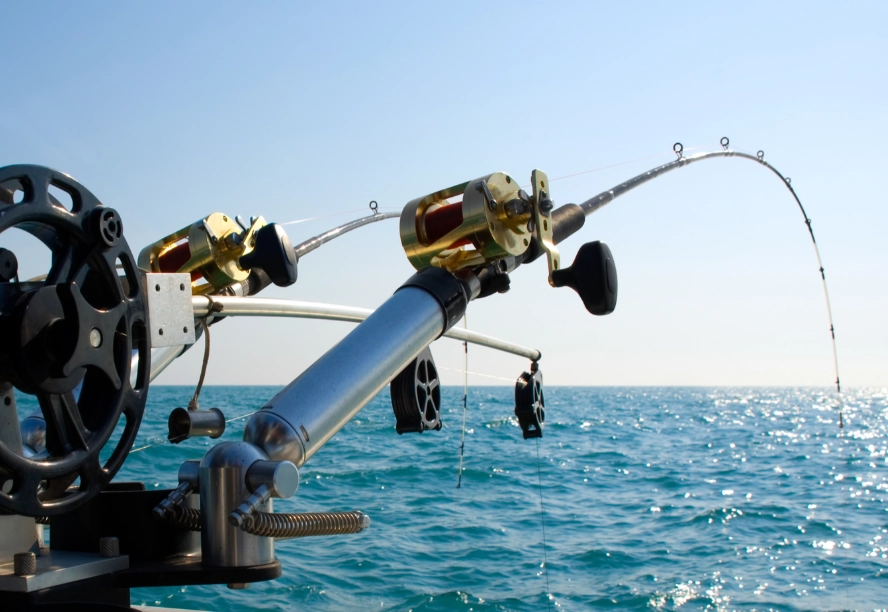
Leveling Up: Advanced Fishing Techniques for Specific Challenges
Once you're comfortable with the basics, you might want to specialize. These advanced fishing techniques are like learning a new language—they open up entirely new possibilities and target specific fish in ways the basics can't.
Fly Fishing: It's Not Just for Trout Anymore
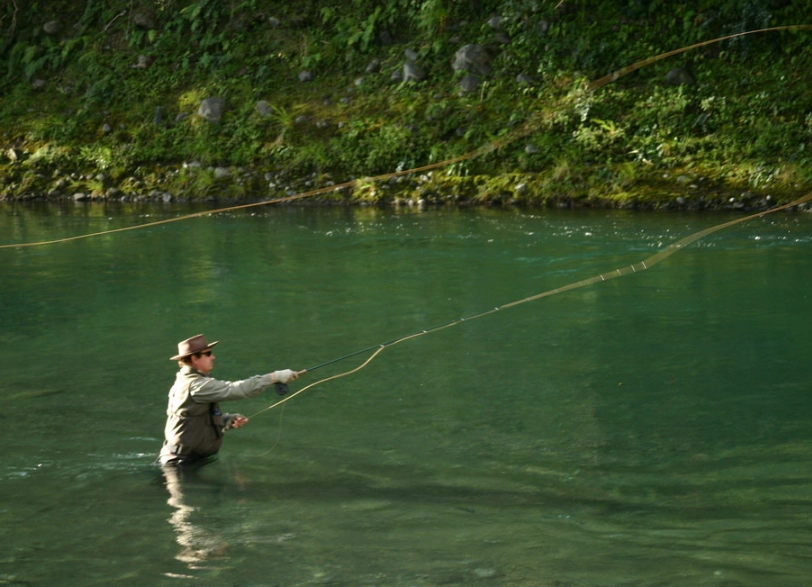
Fly fishing has an aura of elitism around it, which is a shame. At its heart, it's simply a different delivery system. Instead of using the weight of a lure to cast, you use the weight of the line to present an almost weightless "fly"—an imitation of an insect, baitfish, or other small creature. The fishing techniques here are all about delicate presentation and reading the water.
It's incredibly effective for trout in streams, where the fish are keyed in on tiny insects hatching on the surface ("dry fly fishing"). But it's also amazing for bass, panfish, and even saltwater species like bonefish and tarpon. The learning curve is steeper. Casting takes practice. You'll spend more time untangling line from bushes behind you than you'd care to admit. But the payoff is immense. There's a rhythm and a connection to the water that other methods don't quite offer.
Trolling: Covering Miles of Water
Trolling is the fishing technique of dragging lures or bait behind a slowly moving boat. It's the primary method for catching open-water pelagic species like salmon, trout in big lakes, walleye, and offshore saltwater fish like tuna and marlin. The idea is to present your offerings at a specific depth and speed, covering vast areas to find active fish.
It involves more gear—downriggers, planer boards, line counters—to get your lures down deep and spread out. It's less about the feel of the cast and more about system management and sonar interpretation. Is it boring? Sometimes, yes. You can go hours without a bite. But when a rod bends over and the reel starts screaming, the payoff is often a big, powerful fish.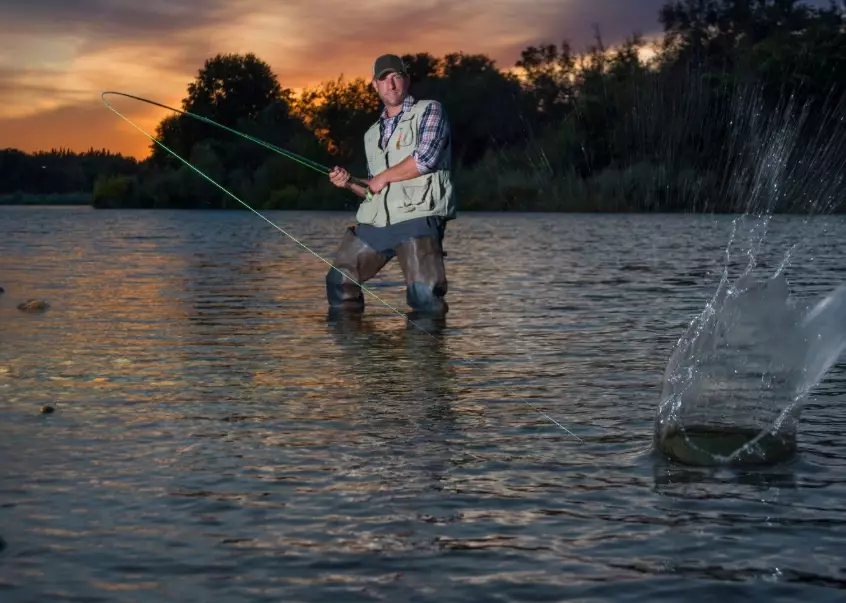
Ice Fishing: Winter's Secret
When lakes freeze over, a whole new world of fishing techniques opens up. Ice fishing is about precision and patience. You drill a hole through the ice and use short rods to jig lures vertically or deploy tip-ups (automatic flag-setting devices) with live bait.
The fishing techniques are finesse-based. Tiny jigs tipped with wax worms or minnow heads are danced just off the bottom to tempt panfish, walleye, or perch. Electronics like flashers become crucial, showing you your lure and any fish that swims into view. It's a social, unique experience—huddled in a shanty, waiting for a flag to pop or a rod to twitch. The cold is a factor, but with modern gear, it's surprisingly comfortable.
Matching the Technique to the Environment
This is where many anglers go wrong. They have a favorite fishing technique and try to force it everywhere. Fish don't read the same books we do. You have to adapt.
Freshwater Fishing Techniques
Rivers, streams, lakes, and ponds each demand a different approach. In a fast-moving river, you might need to use a technique called "drift fishing," where you present bait or a lure so it tumbles naturally along with the current, right along the bottom where fish hold. In a weedy lake, you might need "punching"—using a heavy weight to force a soft plastic lure through thick vegetation to reach the bass hiding underneath. Understanding structure—drop-offs, points, submerged logs—is more important than the specific lure. Resources like the Take Me Fishing website have great state-by-state guides to get you started on local water bodies.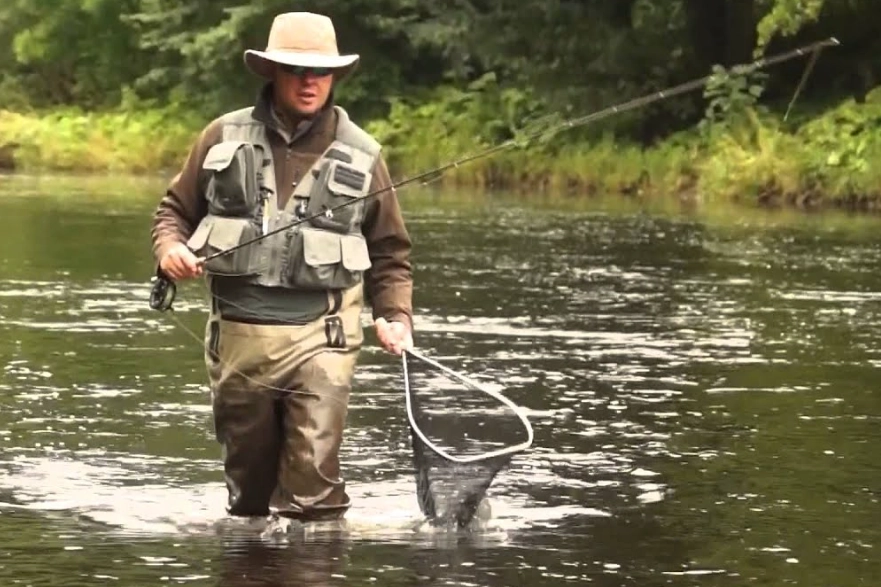
Saltwater Fishing Techniques
Saltwater adds variables like tides, currents, and much larger, stronger fish. Surf fishing techniques involve casting heavy sinkers and bait or lures beyond the breaking waves to reach fish like striped bass, redfish, or pompano. Inshore fishing from a boat in bays and estuaries might involve sight-casting lures to tailing redfish on the flats—a thrilling, visual style of fishing. Offshore techniques are another beast entirely, focusing on trolling or deep dropping. The NOAA Fisheries website is an invaluable resource for regulations, species identification, and conservation practices, which are critical in the marine environment.
Seasonal Shifts
Fish behavior changes with the water temperature. In spring, they move shallow to spawn—great for sight fishing and aggressive reaction strikes. Summer pushes them to deeper, cooler water or heavy cover, requiring more precise presentations like drop-shotting or deep cranking. Fall brings a feeding frenzy as fish bulk up for winter, making them aggressive again. Winter, especially in ice-free waters, means slow, slow, slow presentations in deep, stable areas. The successful angler's mental Rolodex of fishing techniques changes with the calendar.
The Gear That Actually Matters (Without the Hype)
You can get lost in gear reviews. Let's simplify. For most fishing techniques, you need four core components, and you don't need to spend a fortune to start.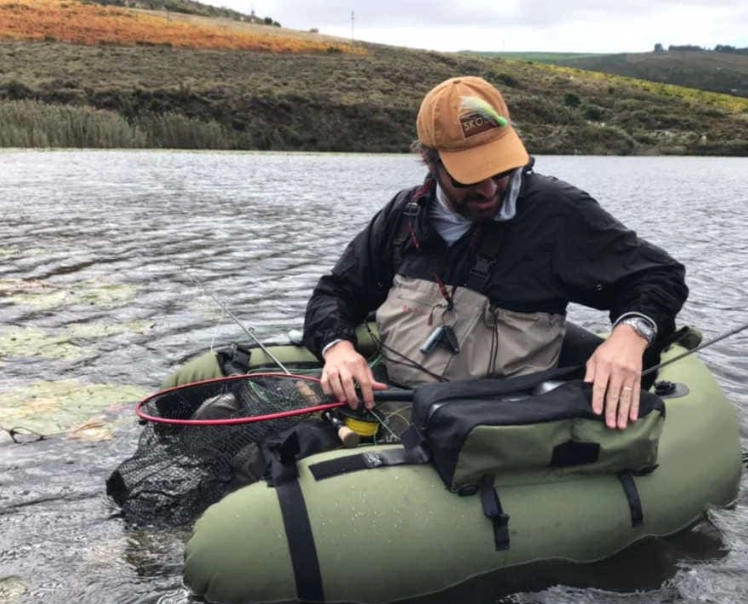
- The Rod: Match the power (light, medium, heavy) to the fish you're after and the lures you'll use. Match the action (fast, moderate, slow) to the fishing techniques you prefer (fast for hook-setting with lures, moderate for a more forgiving bend with bait). A 6.5 to 7-foot medium-power, fast-action spinning rod is the closest thing to a "do-everything" stick.
- The Reel: Smoothness and a reliable drag are key. Size it to your rod and the line capacity you need. A 2500 or 3000-size spinning reel pairs well with the rod above.
- The Line: Monofilament is cheap and forgiving. Braid is super strong and sensitive but visible. Fluorocarbon is nearly invisible underwater and sinks. Many anglers use a braid main line with a fluorocarbon leader—best of both worlds.
- The Terminal Tackle: Hooks, weights, swivels, and floats. Don't cheap out on hooks. Sharp, strong hooks are the single most important piece of tackle. A dull hook will lose you more fish than any other mistake.
That's it. You can spend thousands more, but that core setup will let you practice 90% of the fishing techniques discussed here.
Answers to Questions You're Actually Asking
Wrapping It All Up
Look, fishing isn't rocket science, but it's not dumb luck either. It's a skill built on observation, adaptability, and a willingness to learn from both success and a whole lot of failure. The best fishing technique is the one that fits the conditions in front of you and that you have confidence in.
Don't try to learn everything at once. Pick one method—maybe spin fishing with soft plastic worms—and get good at it. Learn how it feels when a fish bites, how to work the lure in different situations, how to set the hook. Build that foundation. Then, when you're curious or frustrated, add another tool to your box. Try fly fishing for the challenge. Try trolling to find suspended fish. The journey is the point.
And remember, the fish aren't laughing at you. Probably.
Reader Comments