Your Ultimate Guide to Fishing Tournaments: Rules, Tips & How to Win
Ever wondered how fishing tournaments really work? Our comprehensive guide covers everything from basic rules and different formats to proven strategies for winning. Learn how to choose the right tournament, prepare like a pro, and avoid common mistakes.
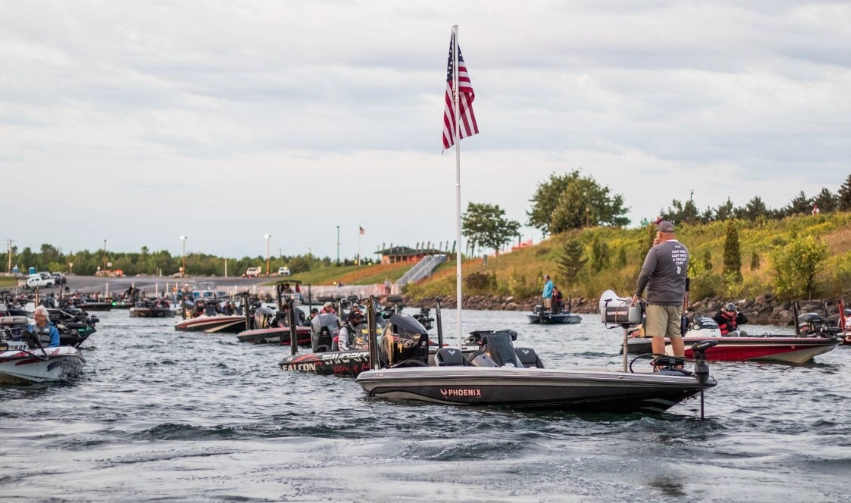
So you're thinking about entering a fishing tournament. Maybe you've seen the big boats, the fancy gear, and the hefty prize checks and thought, "I could do that." Or maybe you're just curious about how the whole thing works from the inside. Let me tell you, it's not just about throwing a line in the water and hoping for the best. There's a whole world of strategy, rules, and unspoken etiquette that separates the weekend angler from a consistent tournament contender.
I remember my first fishing tournament. I showed up with my trusty rod, a tackle box that looked like it survived a hurricane, and a boat that was more suited for a calm lake pond than a competitive bass lake. Let's just say I didn't win. I barely figured out where to check in. But that experience taught me more than any win ever could. It showed me the gaps in my knowledge, and since then, I've spent years talking to pros, making every mistake in the book, and slowly piecing together what it really takes.
This guide is that piece-together. We're going to strip away the mystery and break down a fishing tournament into its core components. Whether you're dreaming of the Bassmaster Classic or just want to try a local charity derby, understanding the framework is your first step to not just participating, but actually competing.
What's the big deal? A fishing tournament, at its heart, is an organized competition where anglers or teams compete to catch fish within a set of specific rules. The winner is usually determined by the total weight or length of their catch. But that simple definition hides a complex, thrilling, and sometimes frustrating sport.
What Are You Actually Signing Up For? Tournament Formats Explained
Not all tournaments are created equal. The format dictates everything from the strategy you'll use to the gear you need. Jumping into the wrong type of event for your skill level is a classic beginner mistake (one I've made).
The most common format you'll see is the live weigh-in tournament. You catch fish, keep them alive in your boat's livewell, and bring them to the scale at a designated time. The health of the fish is paramount here, and penalties for dead fish are strict. It puts pressure on your fish-care skills.
Then there's the catch-photo-release (CPR) or "digital weigh-in" format, which has exploded in popularity thanks to apps like Fishing Chaos and iAngler. You photograph your catch on a standardized measuring board, then release it immediately. The photo is submitted via an app for scoring. It's fantastic for conservation and allows tournaments on waters with strict size or kill limits. Your measuring board and photo technique become critical skills.
Some other formats you might encounter:
- Big Fish Contests: Forget total weight; it's all about that one monster. The angler with the single heaviest or longest fish wins. These are often run concurrently with other formats as a side pot.
- Team vs. Individual: Are you fishing solo, with a partner, or as part of a larger team? Team events often combine weights, adding a layer of cooperation (and sometimes drama).
- Pro-Am Events: Amateurs (ams) are paired with professional anglers (pros) on the pro's boat. It's an incredible learning experience, though often expensive to enter.
| Tournament Format | How It Works | Best For | Key Challenge |
|---|---|---|---|
| Live Weigh-In | Anglers keep fish alive in livewells, weigh total catch at end of day. | Traditionalists, larger circuits, events with heavy payouts. | Keeping fish healthy; strict penalties for dead fish. |
| Catch-Photo-Release (CPR) | Photo fish on approved board, release immediately, submit photo via app. | Conservation-minded anglers, kayak tournaments, remote locations. | Perfect photo technique; having the right, approved measuring gear. |
| Big Fish / Calcutta | Winner is based on single largest fish (by weight or length). | Anglers who prefer high-risk, high-reward; often a side bet. | Consistency doesn't matter; need one lucky bite from a giant. |
| Team Trail | Teams of 2 (or more) combine their catches for a total weight. | Friends/family duos; sharing costs and knowledge. | Team chemistry and communication; dividing roles effectively. |
See, the format changes the game completely. In a live tournament, you might keep a 2-pound bass to help your total weight. In a big fish contest, you'd toss it back without a second thought to keep hunting for a 5-pounder.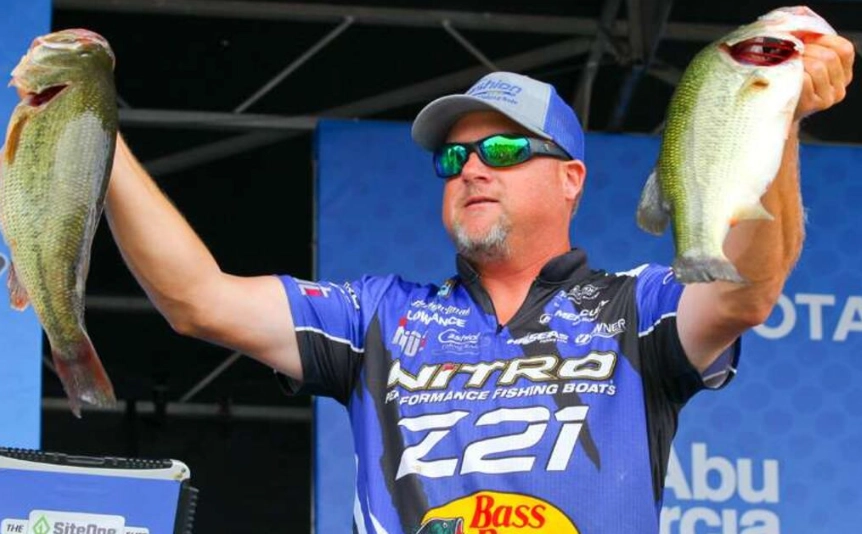
The Rulebook Isn't Just Suggestions
This is where newcomers get tripped up. Tournament rules are law, and ignorance is never an excuse. Organizers like B.A.S.S. or Major League Fishing (MLF) have rulebooks that are dozens of pages long. For a local event, the rules might be a single page, but you must read every word.
Common Rules You Absolutely Must Know
Eligible Species and Sizes: Not every fish counts. Most bass tournaments only count largemouth, smallmouth, and spotted bass. There will be a minimum length limit (e.g., 12 inches, 14 inches). Anything shorter is a "short" and can't be weighed. Know how your tournament measures—some are total length, some are mouth closed to tail pinched. A quarter-inch can disqualify a fish.
Time and Boundaries: You'll have official "start" (lines in) and "stop" (lines out) times. Fishing outside these times is grounds for disqualification. There will also be geographical boundaries—certain creeks, buoys, or dams may be off-limits. They'll give you a map. Study it.
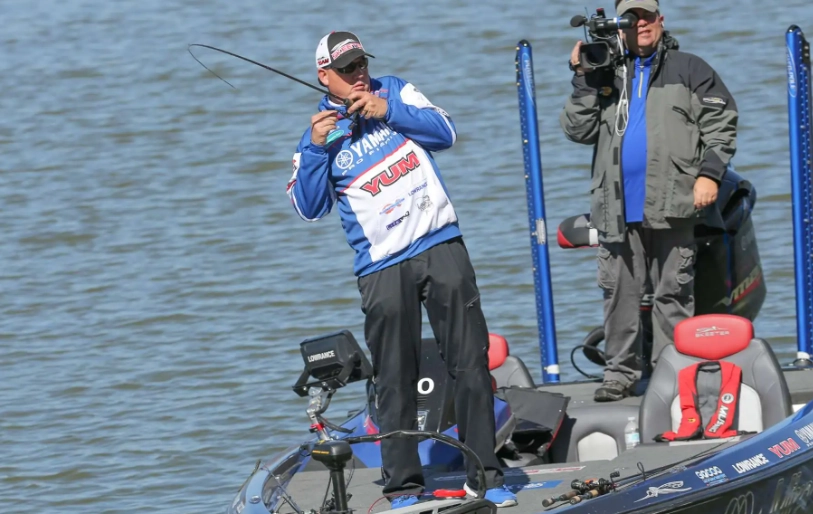
Legal Tackle and Methods: Generally, only artificial lures are permitted. No live or cut bait. You can usually only use one rod at a time. Trolling (dragging lures behind a moving boat using the motor) is almost always prohibited. This is a casting and retrieving game.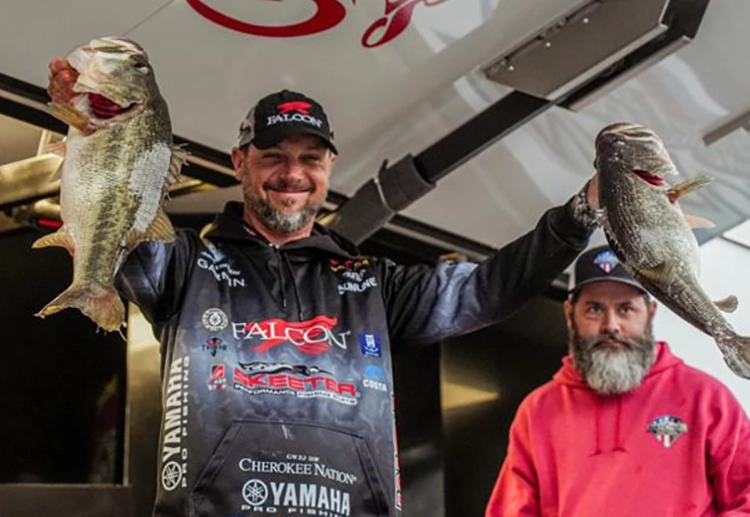
My Costly Mistake: I once got a penalty for having an "extra" rod on the deck with a lure attached, even though I wasn't using it. The rule stated "all rigged and ready rods count as in use." It was a dumb oversight that cost me a placing. Read. The. Rules.
Sportsmanship and Communication: Many tournaments have "off-limits" periods before the event where you cannot be on the tournament waters. There are also strict rules against sharing information with other competitors during the event. Buying or trading waypoints (GPS locations) is a huge no-no and will get you banned fast.
How to Pick Your First Fishing Tournament (Don't Just Go Big)
The allure of a big-money, professional fishing tournament is strong. Resist it for your first one. You'll be overwhelmed, outgunned, and it might sour you on the whole experience.
Start small and local. Look for:
- Club Tournaments: Local bass clubs often host open events. The entry fee is low ($50-$100), the competition is friendly but serious, and it's a great place to learn the ropes. People are more willing to answer questions.
- Charity Derbies: These are often less about cutthroat competition and more about fun and raising money. The rules might be more relaxed, and the atmosphere is fantastic.
- Kayak Fishing Tournaments: The kayak fishing community is incredibly welcoming. The barriers to entry are lower (no $80,000 bass boat needed), and the formats are usually CPR, which is great for conservation. Organizations like Kayak Anglers Tournament Series run excellent events.
Ask yourself some questions before you sign up:
What's my budget (entry fee, gas, lodging, food)?
Do I have the right boat/vehicle/kayak for the water body?
Am I comfortable navigating the lake/river alone?
Do my skills match the likely winning weight? (Check past results!)
If you're unsure, call the tournament director. A good one will be happy to explain the event to a potential new angler. If they're rude or dismissive, maybe that's not the right tournament for you anyway.
Gearing Up: It's More Than Just a Rod and Reel
You don't need a $100,000 rig to compete, but you do need reliable, tournament-legal gear. Let's break down the essentials beyond your favorite lures.
The Non-Negotiables
Livewell System (for live weigh-ins): This is a life-support system for fish. It must aerate and circulate water. Test it the day before. Know how to add conditioners like Please Release Me or Rejuvenade to reduce stress on the fish. A dead fish penalty can drop you from 1st to 20th.
Quality Electronics: A good GPS/chartplotter and sonar unit aren't just for finding fish; they're for safety and rule compliance. Marking waypoints, staying within boundaries, and navigating in fog are critical. Brands like Garmin, Humminbird, and Lowrance are staples for a reason.
Official Measuring Board (for CPR): Don't use a rusty old ruler. You need a stiff, tournament-approved board like a Hawg Trough or a FishStik Pro. Practice taking clear, angled photos that show the fish's nose touching the bump board and the tail pinched. Blurry or non-compliant photos get rejected.
Safety Gear: This should go without saying, but you need all the Coast Guard-required gear (PFDs, throwable, fire extinguisher, etc.). Tournament officials may check. More importantly, have a plan for breakdowns. A working radio or satellite communicator (like a Garmin inReach) can be a lifesaver.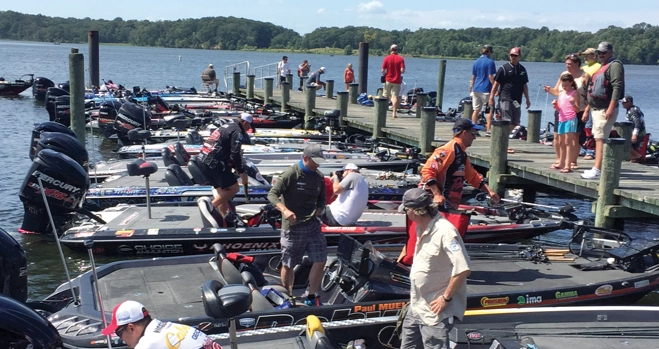
A pro's secret weapon? A detailed logbook. After every practice and tournament, I write down everything: water temp, weather, what lures worked, what didn't, areas fished. Over time, patterns emerge that you'd never remember otherwise. It's the cheapest performance enhancer you can buy.
The Mental Game and Tournament Day Strategy
Okay, you've picked your event, learned the rules, and got your gear. Now comes the hard part: execution. Tournament day is a whirlwind of adrenaline, doubt, and decision-making.
Pre-Tournament Preparation (The Week Before)
If practice is allowed, use it wisely. Don't just go fishing. You're gathering data. I try to answer these questions:
- Where are the fish located (deep, shallow, channels, grass)?
- What are they feeding on? (Check the stomach contents of a caught fish if legal).
- What presentation is triggering bites? Fast retrieves? Slow drags?
- Identify at least 3-5 solid areas (not just spots) to start on tournament day.
Organize your boat. Have rods rigged and ready. Charge all electronics. Pack food and water. Lay out your clothes. The morning of the event is chaotic; eliminate as many decisions as possible.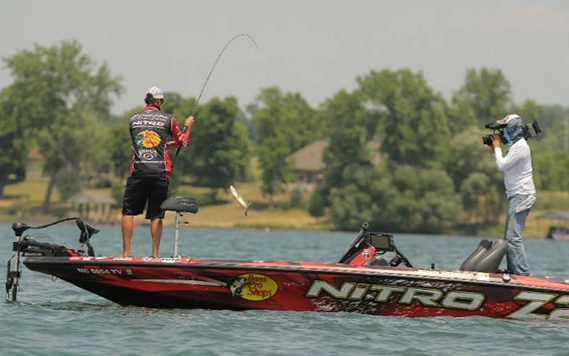
Game Day: Adapt or Go Home
The biggest mistake I see is anglers sticking rigidly to a practice plan when conditions have changed. A cold front, a spike in boat traffic, or a change in current can shut down your best spot.
Have a starting spot, but have a "Plan B" and "Plan C" in your back pocket. Your first hour is for confirming your pattern, not stubbornly beating dead water. If you don't get a bite in your first prime area within 30-45 minutes, be willing to shift gears.
Time management is everything. How long do you spend running across the lake? Is the potential reward worth the lost fishing time? In a one-day tournament, you can't afford a two-hour boat ride for two bites unless they're guaranteed giants.
And then there's the mental grind. You'll see other boats catching fish. You'll hear radio chatter. You'll have hours of silence. Doubt creeps in. The best anglers have a short memory. A missed fish, a lost big one—you have to let it go immediately and focus on the next cast. It's brutally hard.
I once fished an entire 8-hour tournament without a single keeper bite until the last 20 minutes. I was dejected, ready to pack it in. But I kept making casts, and in that last stretch, I landed three good fish that put me in the money. If I'd mentally quit an hour earlier, I'd have zero.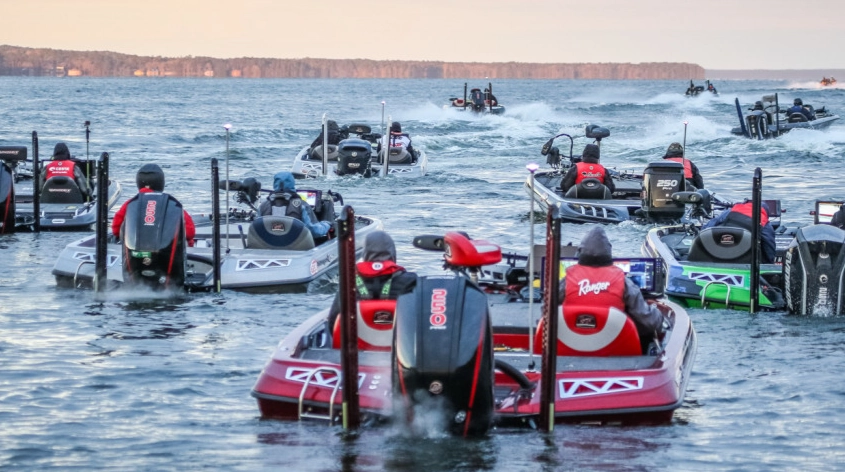
Frequently Asked Questions (The Stuff You're Actually Wondering)
Let's tackle some of the real, practical questions people have before their first fishing tournament.
Do I need a fancy bass boat to compete?
Absolutely not. While a high-performance boat is an advantage for covering large reservoirs quickly, it's not a requirement for success. Many inshore saltwater tournaments are won from center consoles. The kayak fishing tournament scene is massive. And for smaller lakes, a simple aluminum jon boat with a trolling motor can be just as effective. Focus on mastering what you have before mortgaging your house for a rig.
How do I find local tournaments?
Start with local tackle shops—their bulletin boards are goldmines. Check state fishing forum websites. Facebook is surprisingly useful; search for "[Your State] bass tournaments" or "[Your Lake] fishing derby." Websites for state wildlife agencies, like the Florida Fish and Wildlife Conservation Commission (FWC) events page, often list permitted tournaments.
What's a typical entry fee, and where does the money go?
Fees range wildly. A small club tournament might be $40. A regional team trail could be $200-$300 per team. Major opens can be $1,000+. The fee usually breaks down into the prize pool (the "payout"), organizational costs, and sometimes a conservation fund or charity donation. Always check the payout structure—how many places get paid? A tournament that pays only the top 3 out of 50 boats is very different from one that pays the top 15.
Can I fish alone, or do I need a partner?
Both options exist. Many tournaments are designed for solo anglers (like most pro circuits). Others, especially team trails, require a partner. Some events offer both a solo and a team division. Fishing alone means you keep all the decisions (and the prize money), but it's also more work and lonelier. A good partner splits costs, shares ideas, and helps with netting and boat handling.
What happens if someone cheats?
Cheating, though rare, is taken extremely seriously. Consequences range from disqualification and forfeiture of prizes to lifetime bans from major organizations. Bodies like B.A.S.S. and MLF have integrity committees. With modern technology—GPS tracking, polygraph tests (lie detectors) for winners, and detailed catch record reviews—it's very hard to get away with. The fishing community is also tight-knit; suspicious activity gets talked about fast.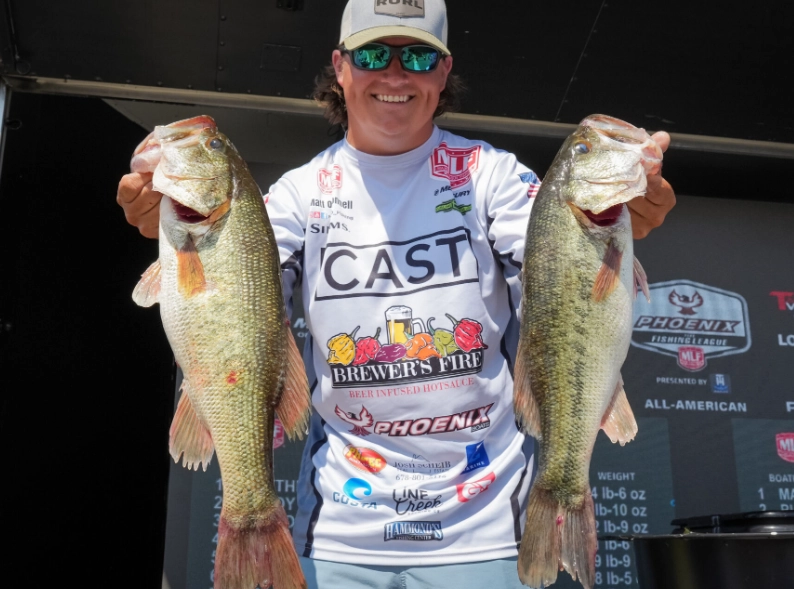
Beyond the Win: Why People Really Do This
Winning is great. The money is nice. But after talking to hundreds of tournament anglers, the reasons go deeper.
It's the challenge. It's you against the fish, against the weather, against the lake, and against your own mind. It forces you to learn, to adapt, to become a better angler in a way that casual fishing never will.
It's the community. The friendships forged in the pre-dawn dark at the boat ramp are real. You share a unique, sometimes miserable, always memorable experience. You'll learn more from your competitors over a post-weigh-in beer than in a year of watching videos.
And honestly, it just makes fishing more interesting. Every cast has purpose. You notice details you'd otherwise gloss over. You develop a profound respect for the fish and the ecosystem.
So, if you're on the fence about entering a fishing tournament, my advice is to find a small, local one and just do it. Go in with the goal of learning, not winning. Ask questions. Make mistakes. Soak it all in. It might just change the way you look at fishing forever.
See you at the weigh-in.