Ultimate Guide to Planning Your Dream Fishing Vacation
Dreaming of the perfect fishing getaway? This guide walks you through planning your ideal fishing vacation, from choosing the right destination and budgeting to packing the essential gear and practicing catch-and-release. Get ready to cast your line!
Let's be honest. The idea of a perfect fishing vacation pops into your head at the worst times. You're stuck in a meeting, or maybe in traffic, and suddenly you're picturing yourself knee-deep in a cool river, the sun on your back, waiting for that tell-tale tug on the line. It's a powerful daydream. But then the reality of planning it hits. Where do you even start? The internet is full of glossy pictures but often thin on the real, gritty details you need to turn that daydream into an actual trip you can book.
That's where this guide comes in. I've planned more than a few of these trips myself, learned from costly mistakes (like showing up in Florida without checking shrimp season), and talked to guides, lodge owners, and fellow anglers to piece together what you actually need to know. This isn't about selling you a specific resort. It's about giving you the framework to plan the fishing getaway that's right for you, your skill level, and your wallet.
Think of it as your one-stop shop for planning a fishing vacation that you'll remember for all the right reasons.
Why Planning Your Fishing Trip Matters More Than You Think
You might be tempted to just book a flight to somewhere with "great fishing" and figure it out later. For some experienced folks, that might work. But for most of us, a little planning is the difference between a story about "the one that got away" and a story about "the trip that was a total bust." A successful fishing vacation isn't just luck. It's about aligning the season, the location, the species, and your own expectations.
I once flew to the Gulf Coast dreaming of redfish. I had the dates, I had the gear. What I didn't have was the knowledge that a massive cold front had blown through the week before, shutting down the bite completely. The guides knew it, the locals knew it. I spent three days casting at lethargic fish. A quick call or some deeper forum digging could have saved that trip, or at least reset my expectations.
Planning ensures you're fishing when the fish are biting, that you have the right permits, and that you're not overpaying for a experience that doesn't match your goals. It turns a gamble into an investment in your own fun.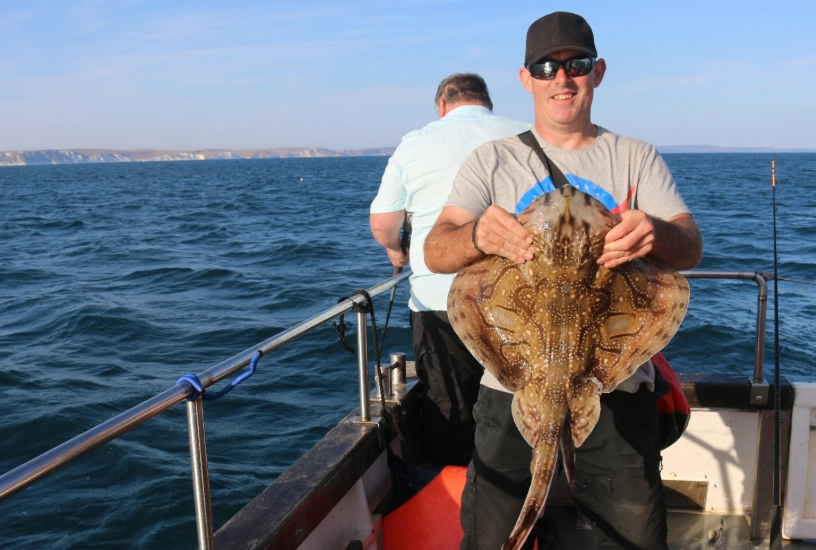
Step One: Defining Your Ideal Fishing Getaway
Before you google a single destination, grab a notepad (digital or paper) and ask yourself some real questions. This is the most important step, and most people skip it.
What's Your Fishing Style?
This isn't just about freshwater vs. saltwater. Drill down. Do you want the zen-like focus of fly-fishing for trout in a mountain stream? The brute strength battle of deep-sea fishing for marlin? The relaxed pace of dropping a line off a pier or a dock with your family? Or maybe you're after the technical challenge of sight-fishing for bonefish on a flat?
Your answer here will immediately narrow the world of possibilities. A fly-fishing purist might look at Montana or Patagonia. A family wanting easy access and variety might look at the lakes of Minnesota or a coastal town with a fishing pier.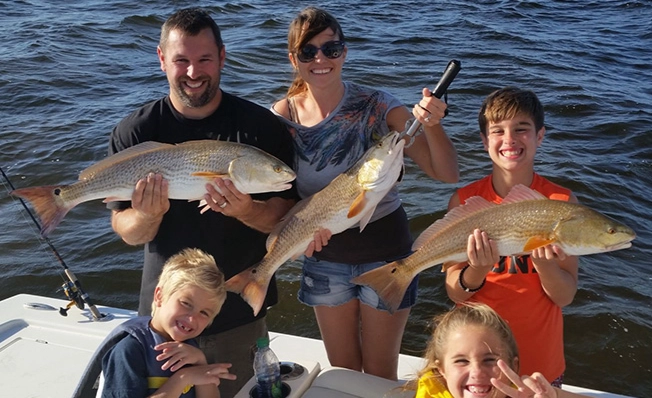
Who's Coming With You?
This changes everything. A solo trip or one with your hardcore fishing buddies allows for spartan conditions, long days, and a single-minded focus on fishing. A family fishing vacation, or one with a partner who isn't as obsessed, needs balance. Are there other activities nearby? Hiking, beaches, town visits? Is the accommodation comfortable? Is there a shorter, half-day charter option so everyone doesn't get burned out?
I planned a "dream" trip to a remote bass lake once. It was fantastic for me. My spouse, who enjoys fishing but isn't fanatical, was climbing the walls by day two with nothing else to do. Lesson learned.
Skill Level & Budget: Be Brutally Honest
There's no shame in being a beginner. In fact, some destinations are perfect for it. But booking a technically demanding saltwater fly-fishing trip as your first outing is a recipe for frustration. Similarly, be real about your budget. A fishing vacation can range from a few hundred dollars for a DIY camping trip to tens of thousands for a luxury lodge.
The budget isn't just the flight and hotel. It's guides, tips, gear rentals, licenses, travel to remote spots, and food. We'll break this down later, but start with a total number you're comfortable with.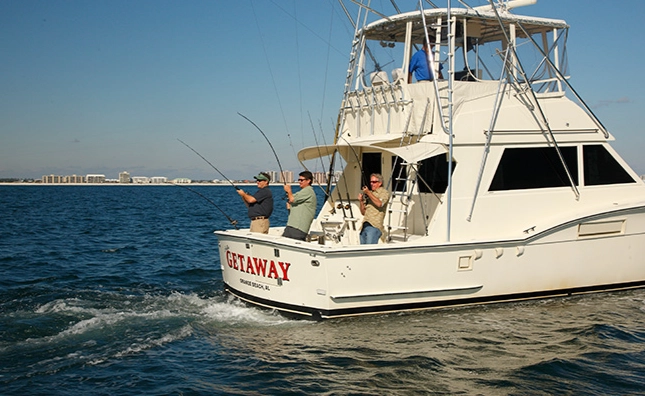
Step Two: Choosing Your Fishing Vacation Destination
Now the fun starts. With your personal criteria in hand, you can start searching for the right spot. Here’s a breakdown by common trip types.
Top Freshwater Fishing Vacation Spots
Freshwater offers incredible variety, often with easier access and lower costs than bluewater saltwater trips.
- Bass Fishing Havens: The Southeastern U.S. is a mecca. Think Lake Guntersville in Alabama, the Tennessee River chain, or Lake Fork in Texas for trophy largemouth. For smallmouth, the Great Lakes region (especially Lake Erie) and the rivers of the Ozarks are hard to beat. These trips often combine well with comfortable cabins or nearby towns.
- Trout & Fly-Fishing Classics: The Rocky Mountains are synonymous with trout. Montana's blue-ribbon streams, Colorado's high-country creeks, and Idaho's remote rivers offer breathtaking scenery. For a more curated experience, look at spring creeks in Pennsylvania or the tailwaters below dams in the South (like the White River in Arkansas).
- Walleye & Northern Pike: The Canadian Shield is the holy grail. Fly-in remote lodges in Ontario or Manitoba promise incredible numbers and size. For drive-to options, look at Lake of the Woods (MN/Ontario) or the myriad lakes in Minnesota and Wisconsin.
Top Saltwater Fishing Vacation Spots
Saltwater gets the heart racing with bigger fish and vast, open water.
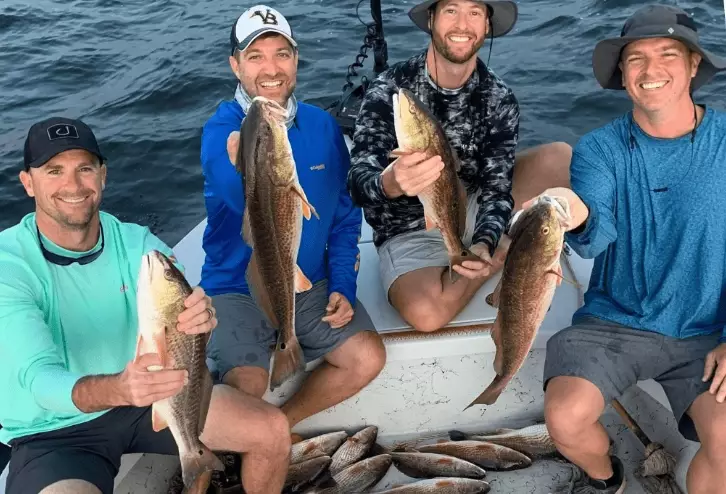
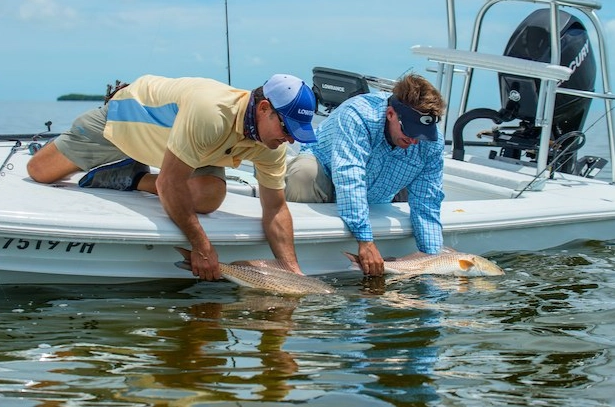
- Inshore & Flats Magic: The Florida Keys, the Texas Gulf Coast, and the Louisiana marshes are legendary for redfish, speckled trout, and snook. The Bahamas and parts of the Caribbean offer world-class bonefish, permit, and tarpon fishing on the flats. These trips can be great for both beginners and experts.
- Nearshore & Reef: Coastal towns from the Carolinas down through the Gulf and into Mexico offer fantastic charter fishing for species like snapper, grouper, king mackerel, and cobia. It's accessible, action-packed, and perfect for a group.
- Offshore & Bluewater Adventures: For the big game hunter. Destinations like Costa Rica's Pacific coast (for sailfish and marlin), the Outer Banks of North Carolina (for tuna and billfish), Hawaii, and the Canary Islands are premier spots. These are bucket-list trips that require a bigger budget and a stomach for deep water.
Don't Overlook These Gems
Sometimes the best trips are to lesser-hyped places. Consider Alaska for salmon and halibut (though it's a big trip). The Pacific Northwest for steelhead. Or even a focused carp fishing trip in Europe, which is wildly popular and challenging there. Research regional fishing reports and forums. Sites like Take Me Fishing are a great starting point for U.S. ideas, while Bassmaster has deep regional coverage for freshwater.
Step Three: Budgeting for Your Fishing Getaway (The Real Numbers)
Let's talk money. A fishing trip budget has more moving parts than a tackle box. Here’s a realistic table to help you estimate. Costs are broad ranges—a DIY trip will be at the very low end, a fully-guided luxury lodge at the high end.
| Expense Category | Low-End Estimate (DIY/Budget) | Mid-Range Estimate (Mixed) | High-End Estimate (Full-Service/Luxury) | Notes & Tips |
|---|---|---|---|---|
| Transportation | $100 - $500 | $500 - $1,500 | $1,500 - $5,000+ | Gas vs. flights. Remote lodges often require charter flights or long boat transfers, which add up fast. |
| Accommodation | $150 - $400 | $600 - $2,000 | $2,500 - $8,000+ | Camping vs. hotel vs. all-inclusive lodge. Weekly rates are usually better. |
| Fishing Guides/Charters | $0 (DIY) | $400 - $1,200 | $2,000 - $6,000+ | The biggest variable. A half-day inshore charter might be $400. A full-day offshore or exclusive fly-out guide can be $1,000+/day. Tip 15-20%. |
| Fishing Licenses & Permits | $20 - $50 | $50 - $150 | $150 - $300 | Research state/province/country requirements. Some saltwater stamps are extra. Non-resident fees are higher. |
| Gear & Tackle | $0 (Use your own) | $100 - $300 (Rentals/New Lures) | $300 - $1,000+ (Premium Rentals/New Rods) | Can you bring your gear? Is it suitable? Rental costs add up. You'll always buy new lures. |
| Food & Drink | $100 - $200 (Groceries) | $400 - $800 (Mix) | Included at Lodges / $1,000+ (Dining Out) | Cooking in saves money. Remote lodges usually include all meals, which is a great value. |
| Incidentals & Extras | $50 | $200 | $500+ | Tips for lodge staff, souvenirs, extra activities, taxi/boat fuel, rain gear you forgot. |
| TOTAL (Per Person, Approx.) | $420 - $1,420 | $2,250 - $6,150 | $7,000 - $21,000+ | These are per-person estimates for a 5-7 day trip. Sharing costs (like a charter) brings per-person cost down. |
See how it adds up?
The guide fee is often the shocker for first-timers. But here's the thing: for a new destination, a good guide is worth every penny. They know the water, the patterns, and have the right boat and gear. They turn fishing time into catching time. For a special once-a-year fishing vacation, I always budget for at least one or two guided days. It's the fastest way to learn and succeed.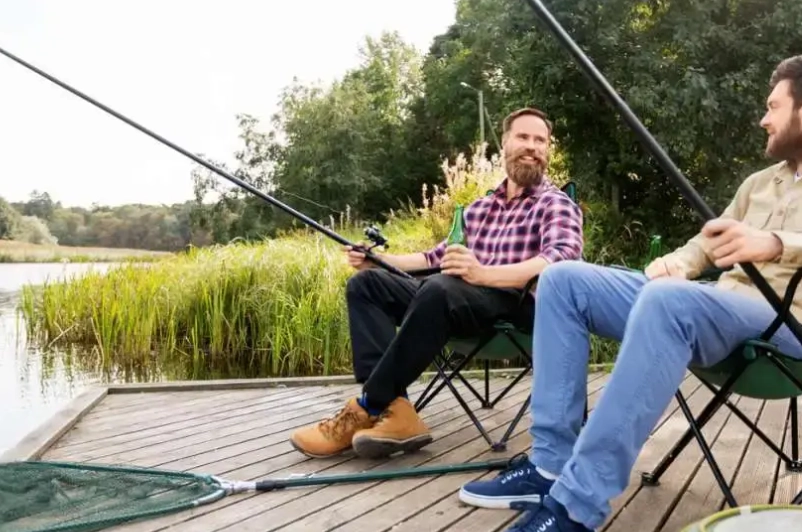
Step Four: The Ultimate Fishing Trip Packing Checklist
Forgetting something crucial can ruin a day. This list covers the basics beyond your normal travel clothes. Adapt it for your specific trip.
| Category | Essential Items | "Nice to Have" & Trip-Specific Items |
|---|---|---|
| Documents & Money | ID/Passport, Fishing License (buy online in advance if possible), Credit Cards/Cash (small bills for tips), Health Insurance Card. | Printed guide confirmations, maps, a physical copy of your license. |
| Clothing (Think Layers!) | Quick-dry shirts/pants, Sun-protective long-sleeve shirt, Wide-brimmed hat, Polarized sunglasses (non-negotiable!), Waterproof jacket, Comfortable shoes (deck shoes or hiking boots). | Wading boots & socks (for freshwater), Lightweight rain pants, Buff or neck gaiter, Insulating layer (fleece). |
| Sun & Bug Protection | High-SPF sunscreen (waterproof), Lip balm with SPF, Insect repellent (DEET or Picaridin-based). | Sun gloves, After-sun lotion, Permethrin spray for treating clothes (for buggy areas). |
| Personal & Safety | Reusable water bottle, Small first-aid kit, Medications, Hand sanitizer. | Seasickness pills (take before you feel sick!), Headlamp, Multi-tool, Dry bag for phone/wallet. |
| Fishing Gear (Core) | Your favorite rod/reel combo (if flying, check airline policies), Small tackle box with proven lures/hooks/weights, Pliers, Line clippers, Tape measure. | Backup rod/reel, Specialized tackle for your target species, Scale, Landing net, Rod tube for travel. |
| Electronics | Phone & charger, Camera. | Portable power bank, GPS device, Fish finder (if DIY boat), Waterproof phone case. |
My biggest packing fail? Not bringing a rain jacket to the Pacific Northwest because "the forecast looked clear." I was wet and miserable for two days. Always pack the jacket.
Step Five: On the Ground – Making the Most of Your Trip
You've arrived. The planning is done. Now it's execution time.
Working with Your Guide
Communication is key. When you meet your guide, be upfront about your experience level and goals. "I've never saltwater fished before" or "I really want to try to catch a tarpon on fly" sets the right expectations. Listen to their advice—they're the expert on that water. Ask questions. Be ready on time. And please, tip them at the end of the day if they worked hard for you (15-20% of the trip cost is standard). A good guide-client relationship can make your fishing vacation.
Fishing Ethics & Conservation
This is non-negotiable for the modern angler. We have a responsibility to the resource.
- Know the Regulations: Slot limits, bag limits, and closed seasons exist for a reason. The U.S. Fish and Wildlife Service and state agencies set these rules to ensure healthy fish populations. Follow them to the letter.
- Practice Catch-and-Release Properly: If you're releasing fish, do it right. Use barbless hooks or crush the barbs. Keep the fish in the water as much as possible. Have pliers ready for a quick hook removal. Support the fish horizontally until it swims away strongly. A photo out of water should be quick—have the camera ready before you land the fish.
- Respect the Environment: Pack out all your trash, including monofilament line. Don't damage sensitive habitats like seagrass beds or coral.
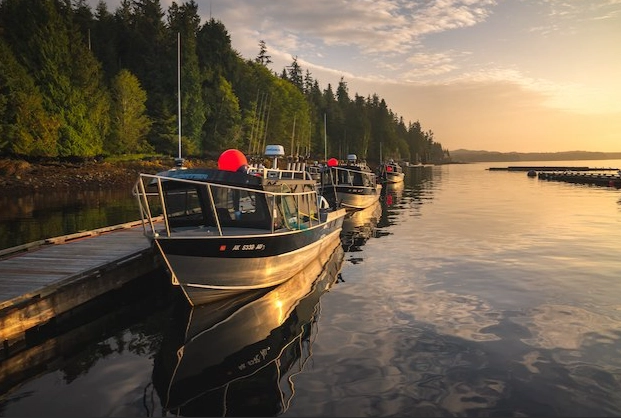
Fishing isn't just about catching. It's about being part of the environment. The more we take care of it, the better our fishing vacations will be for years to come.
Your Fishing Vacation Questions, Answered
Here are some of the most common questions I get from people planning their first major trip.
Do I need a guide for my fishing vacation?
For a new destination, especially one with complex water (like saltwater flats, big lakes, or unfamiliar rivers), yes, absolutely—at least for a day or two. The learning curve is steep. A guide provides the boat, the local knowledge, and can often get you on fish quickly. For a simple pond or pier fishing trip, you can probably DIY with some online research.
What's the best time of year to plan a fishing trip?
It's entirely species and location-dependent. There is no universal "best" time. Spring and fall often offer great fishing as water temperatures are ideal. But you need to research your target. For example, the salmon run in Alaska is a summer event. The tarpon migration in Florida peaks in late spring/early summer. Avoid planning a fishing vacation during a region's peak hurricane or monsoon season. Local fishing forums and guide websites are the best sources for timing.
How do I avoid getting seasick on a charter?
First, be honest with yourself. If you're prone to motion sickness, take medication the night before and again in the morning, as directed. The scopolamine patch (requires a prescription) is highly effective for many. Stay hydrated, avoid heavy foods and alcohol the day before, and once on the boat, stay on deck in fresh air and focus on the horizon. Tell the captain—they'd rather you take precautions than be sick over the side.
Is travel insurance worth it for a fishing trip?
For any significant investment, especially one involving remote travel, non-refundable guide deposits, or expensive flights, yes. Look for a policy that covers trip cancellation/interruption for weather (important for charters!), medical evacuation (critical for remote areas), and gear loss/damage. It's a small percentage of your total cost for a lot of peace of mind.
Can I bring my own fishing gear on a plane?
Usually, yes. Rods typically need to be in a protective tube (you can often check this or sometimes carry it on, depending on airline). Reels should be in your carry-on. Tackle boxes usually need to be checked, and be aware that some large hooks or lead weights might be scrutinized. Always check your specific airline's sporting equipment policy before you pack.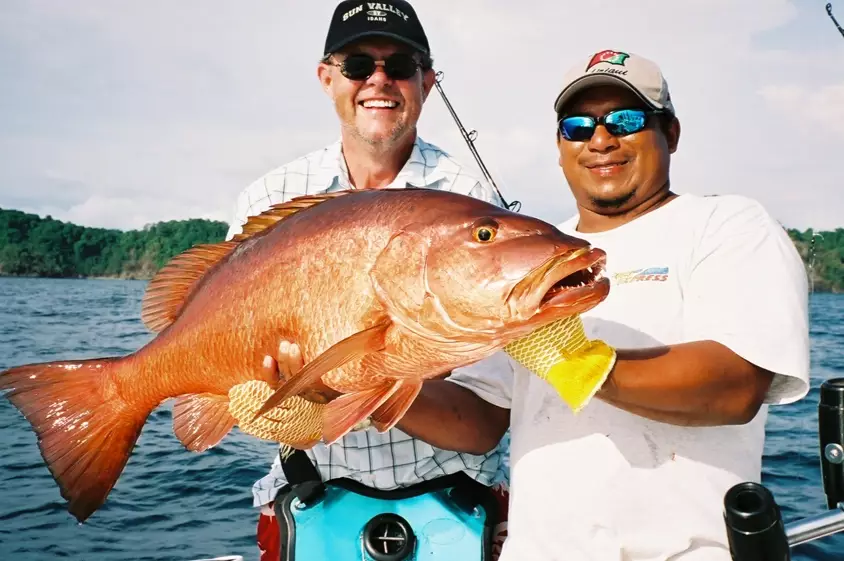
Wrapping It Up: Your Adventure Awaits
Planning a great fishing vacation might seem daunting at first glance. There are a lot of pieces. But if you break it down step-by-step—defining your trip, picking the spot, setting the budget, packing smart, and fishing responsibly—it becomes not just manageable, but part of the fun. The anticipation is half the joy.
The goal isn't perfection. You might still get skunked one day. The weather might turn. That's fishing. But with a solid plan, you've stacked the odds in your favor. You'll spend less time figuring things out and more time with a rod in your hand, making those daydreams a reality.
So what are you waiting for?
Start dreaming, start planning, and get ready to make some memories on your next fishing vacation. The water's fine.