The Complete Guide to Fishing Tents: Your Blueprint for Shelter on the Water
Struggling to stay warm and dry while fishing? Our complete guide to fishing tents covers everything from choosing the right shelter for ice fishing or bank fishing to setup tips and essential gear. Get the knowledge you need for a successful trip.
Let's be honest. The idea of a fishing tent probably conjures up different images for different anglers. For some, it's that essential piece of gear that makes ice fishing possible without turning into a human popsicle. For others, it's a luxury item for bank fishing – a way to escape a sudden downpour or the midday sun. But here's the thing I've learned after years of getting skunked in the rain and sunburnt on the ice: a good fishing shelter isn't a luxury; it's a game-changer. It's the difference between a miserable, cut-short trip and a comfortable, productive day on the water.
This isn't about pushing the most expensive gear. It's about understanding what a portable fishing shelter can actually do for you. I remember my first "shelter" was a cheap tarp strung between two trees. It worked until the wind picked up, and then I spent more time wrestling with nylon than I did casting. That experience taught me the value of a purpose-built tent.
So, what exactly are we talking about?
What Is a Fishing Tent, Really?
At its core, a fishing tent is any portable, temporary structure designed to protect anglers from the elements while fishing. But that bland definition doesn't do it justice. Think of it as your mobile command center. It's your shield against wind that cuts through layers, rain that soaks your gear, and sun that fries you on open ice. It provides a contained, often warmer space where you can focus on your gear, your line, and hopefully, the fish, without fighting the weather.
The concept is simple, but the execution varies wildly. The shelter you need for drilling holes in a frozen lake is fundamentally different from the one you'd want for a multi-day car camping and fishing trip by a river. That's the first big decision point.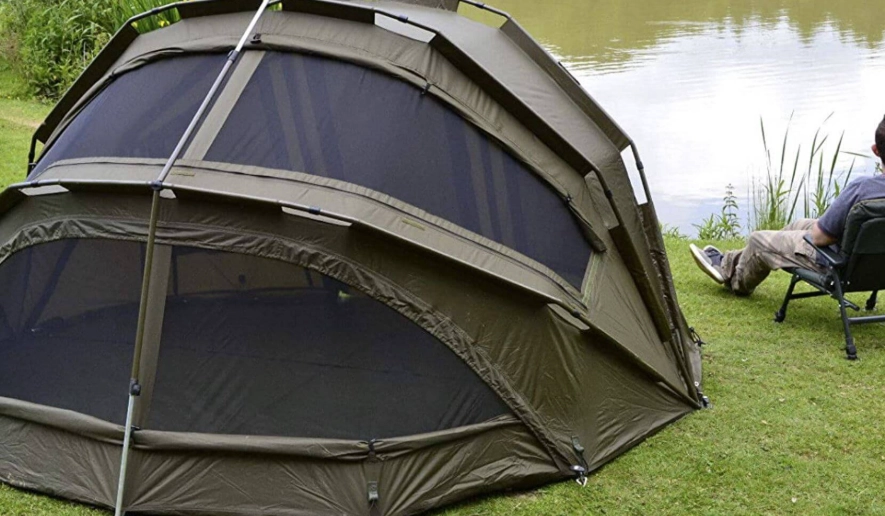
Key Takeaway: Don't just think "tent." Think "environment-specific shelter." Your primary fishing style dictates 90% of what you need.
The Two Main Worlds: Ice Fishing Shelters vs. Bank Fishing Tents
This is where most of the confusion starts. Manufacturers cater to two distinct environments, and mixing them up leads to frustration.
Ice Fishing Shelters: Your Winter Fortress
This is what most people picture. An ice fishing shelter is built for one job: creating a habitable micro-climate on a frozen lake. The priorities are insulation, wind resistance, and often, portability for moving to find fish. They come in a few main flavors:
- Flip-Over Sled Shelters: My personal favorite for solo or duo trips. The tent is permanently attached to a heavy-duty sled. You load your gear in, pull it out, flip the tent over you, and you're set in under a minute. Incredibly fast. The downside? They can be bulky to transport and offer less standing room.
- Hub-Style Shelters (Pop-Ups): These are the big, boxy tents that "pop" into shape. They offer tons of space, often for 3-6 people, and plenty of headroom. Great for groups or if you hate feeling cramped. Setting one up in a stiff wind, however, can feel like trying to fold a parachute in a hurricane. Practice in your yard first.
- Pull-Over Cabins: A hybrid. They have a sled base like a flip-over but more vertical walls and a bigger footprint, like a small hub. They're a nice middle ground but can be heavy.
For ice fishing, the material is crucial. Look for 300D or higher polyester with a thick, insulated floor. The windows should be high-quality, non-fogging vinyl. Zippers need to be robust – frozen zippers are a nightmare I wouldn't wish on anyone.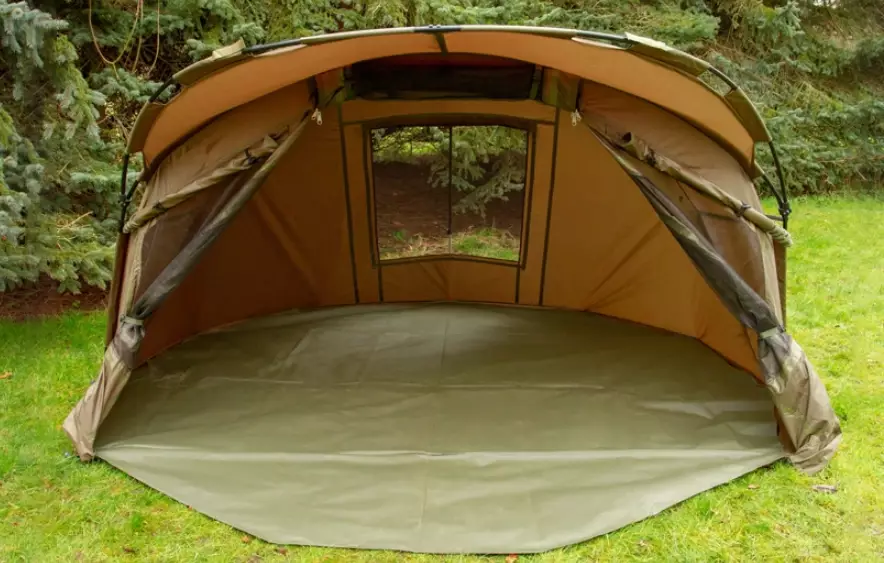
I made the mistake of buying a cheap hub shelter once. The fabric was thin, and on a -10°F day, you could feel every gust of wind. It was like sitting in a decorative windsock. I sold it after one season and invested in a quality flip-over. The difference in warmth was staggering.
Bank Fishing & Camping Tents
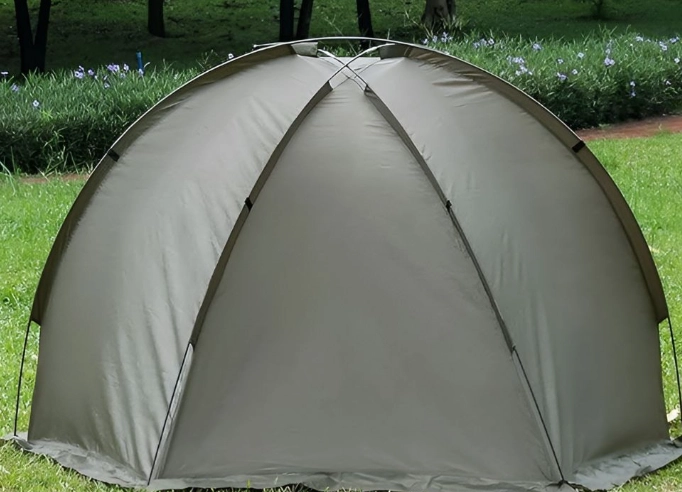
These are for the rest of the year. They're closer to traditional camping tents but often with angler-specific features. Think of them as a basecamp on the shore.
- Instant/Popup Tents: Fast setup is king here too. Great for sudden weather changes.
- Dome Tents with Screened Porches: Fantastic for multi-species trips. You can sleep in the enclosed part and use the screened area to store gear, clean fish (away from bugs), or just relax without mosquitoes eating you alive.
- Simple Canopy Tents: More shade than shelter, but perfect for a sunny day on a pier or beach.
Here, breathability and waterproofing (hydrostatic head rating of 2000mm+) matter more than insulation. A full rainfly is essential.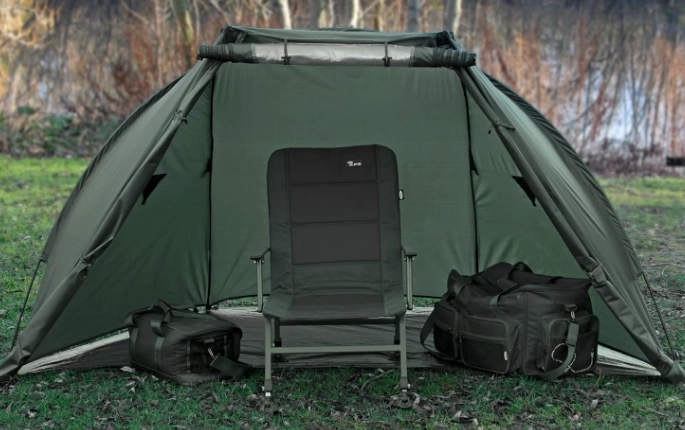
| Feature | Ice Fishing Shelter | Bank Fishing Tent |
|---|---|---|
| Primary Purpose | Heat retention & wind block on ice | Rain protection, shade, & bug protection on land |
| Key Material | Heavy, insulated, windproof fabric (600D+ common) | Lighter, breathable, waterproof fabric (e.g., 68D polyester) |
| Floor | Thick, insulated, waterproof (often built-in) | Standard bathtub-style waterproof floor |
| Portability Focus | Pulling over snow/ice; sled-based | Carrying in backpack or duffel bag |
| Ventilation | Controlled, adjustable vents to manage moisture | Large mesh panels, windows, full rainfly for airflow |
| Best For | Sub-freezing temperatures, snowy/windy conditions | Spring, Summer, Fall fishing; camping combo trips |
How to Choose Your Perfect Fishing Tent: The Decision Checklist
Walking into a store or browsing online can be overwhelming. Don't just look at the price tag. Work through this list.
- Where and When Do You Fish Most? This is question zero. Frozen lake in January? Start with ice shelters. Riverbanks in May? Look at camping-style tents. If you do both, you might need two different shelters. A 3-season tent won't work on ice, and an ice shelter will be a sweaty, unbearable sauna in July.
- How Many People (and How Much Gear)? Manufacturers are optimistic. A "2-person" tent fits two people if you both hold your breath. Always size up. If you fish with a buddy, get a 3-4 person model. For ice fishing, consider not just people but heaters, augers, and multiple rods. Space is precious.
- Weight and Portability: Are you hiking a mile to your spot, or parking 20 feet from the shore? For backpacking to alpine lakes, every ounce counts. For drive-up ice fishing, a heavier, more robust shelter is fine. Check the packed size – will it fit in your car trunk or sled?
- Setup Time and Complexity: Be realistic about your patience. On a cold, windy day, a 5-minute setup feels like an hour. Hub shelters are fast but practice. Flip-overs are arguably the fastest for ice. For bank fishing, modern instant tents can be up in 60 seconds.
- Durability and Materials: Denier (D) measures fabric thickness. Higher is tougher. For ice, 300D is a minimum, 600D is better. For ground tents, 68D-150D is typical. Check pole material – fiberglass is cheaper but can snap in extreme cold; steel is heavier but bombproof for ice shelters.
- Ventilation and Condensation: This is a silent killer of comfort. Breathing, heaters, and wet gear create moisture. Without good vents, it rains inside your tent. Look for adjustable vents at the top (where warm, moist air collects) and bottom (for fresh air intake).
- Anchoring: How will it stay put? Ice shelters use ice anchors (screws you drill into the ice). Bank tents need sturdy stakes and often guy lines. Don't rely on the cheap stakes that come with the tent. Buy a set of heavy-duty sand/snow stakes.
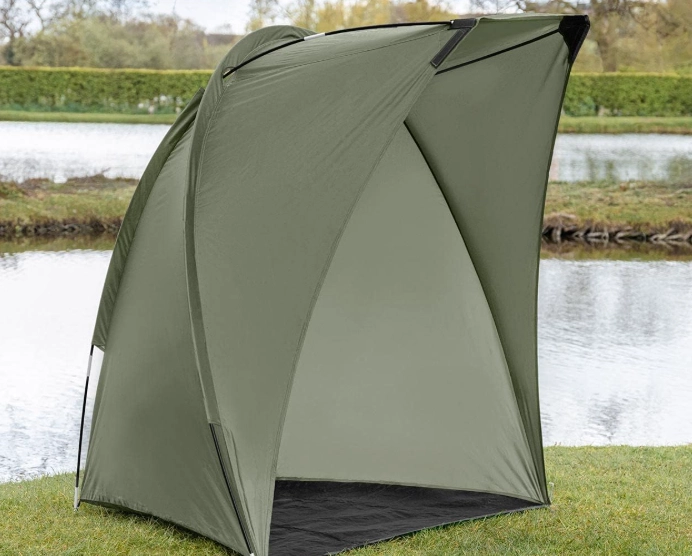
Pro Tip: Watch YouTube setup videos for the exact model you're considering. You'll see the real-world process, hear the sound of the zippers, and spot any potential design quirks before you buy.
Essential Gear to Go With Your Shelter (The Supporting Cast)
A fishing tent is just the shell. To make it functional, you need the right accessories.
For Ice Fishing Shelters:
- A Reliable Heater: A portable propane heater like a Mr. Heater Buddy is the standard. CRITICAL: Ensure it has a low-oxygen sensor (ODS) and always follow the manufacturer's instructions for safe use in an enclosed space. Ventilation is non-negotiable.
- Ice Anchors & a Drill: You'll need at least 4-6 heavy-duty ice screws. A cordless drill with a proper ice anchor bit makes installation a 10-second job instead of a 5-minute struggle.
- Lighting: LED lanterns or headlamps. The short winter days mean you'll be fishing in the dark.
- A Mat or Carpet: An insulated floor mat adds another layer of warmth between you and the ice and makes it more comfortable to stand on.
For Bank Fishing Tents:
- A Footprint/Ground Cloth: This protective layer goes under your tent. It protects the tent floor from abrasion and adds a moisture barrier. Get one specific to your tent model or cut a tarp slightly smaller than the tent's base (so rain doesn't pool on top of it).
- Quality Stakes & a Mallet: The included stakes are usually junk. Upgrade to durable steel or Y-beam stakes.
- Gear Organizers: Wall pockets or a hanging organizer keep pliers, line, lures, and snacks off the floor and within easy reach.
- Bug Netting/Door: If not built-in, a separate screen house attachment can be a lifesaver in mosquito country.
Setup, Safety, and Maintenance: Doing It Right
Setting Up on Ice: Avoiding the Wind Fiasco
For hub shelters, the wind is your nemesis. Here's my learned-the-hard-way method:
- Lay the packed shelter flat on the ice in the orientation you want.
- Partially extend two opposite corners and anchor them immediately with ice screws. This creates a "hinge" so the tent can't blow away.
- Now, pop the rest of the hub frames into place, working against the anchored side.
- Anchor the remaining corners and any side anchor points.
Always check the ice thickness for safety before venturing out. Resources like the U.S. Forest Service and state Department of Natural Resources websites provide crucial safety guidelines. For example, Minnesota's DNR recommends a minimum of 4 inches of clear ice for foot travel.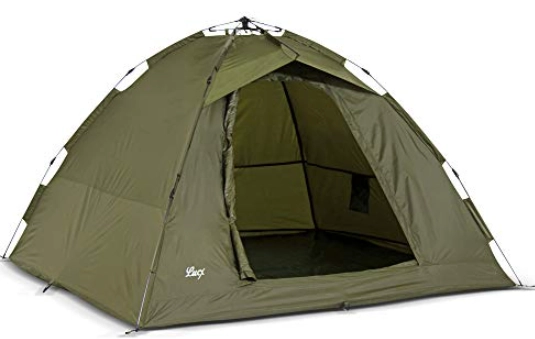
Safety First: Never use a fuel-burning stove or heater (propane, butane, white gas) intended for outdoor use only inside a tent. Deadly carbon monoxide is a real, silent danger. Only use heaters explicitly rated and certified for indoor/vented use, like certain portable propane radiant heaters with ODS safety features, and always keep a vent open.
Packing It Away (The Art of the Stuff Sack)
For hub shelters, don't just smash it in. Reverse the pop-up process: collapse the hubs, fold the fabric neatly, and then roll it tightly toward the carrying bag. Forcing it creates stress points and breaks poles. A wet tent should be dried at home completely before storage to prevent mold and mildew – a ruined smell you can't get out.
Answering Your Top Fishing Tent Questions
I get these questions all the time from fellow anglers.
Can I use a regular camping tent for ice fishing?
You can, but you'll hate it. I've tried. Standard tents are not designed for the conductive cold of ice, nor are their fabrics windproof enough. They become cold, drafty, and condensation turns to ice on the inside walls. It's a miserable experience. Spend the money on a proper insulated ice fishing tent; your comfort and safety are worth it.
What's the best brand for a fishing tent?
There's no single "best." It depends on your budget and needs. For ice fishing, brands like Eskimo, Clam, and Otter have fierce followings for their durability and features. For bank fishing/camping hybrids, look at brands like Alps Mountaineering, Cabela's (their proprietary designs), or even the angler-specific lines from major brands. Read reviews on dedicated outdoor retailer sites like REI or Cabela's for real user experiences.
How do I stop condensation in my ice shelter?
You can't stop it completely, but you can manage it. First, run your heater on a lower, steady setting rather than blasting it high. Second, use your vents. Crack the top vent(s) open to let moist air escape. If you have a lower vent, crack it to allow drier air in. This creates a convection current. Third, wipe down the walls occasionally with a towel. A properly vented shelter should have minimal frost buildup.
Are pop-up fishing tents worth it?
For convenience, absolutely. The speed is incredible. The trade-off is that they can be harder to pack down to their original size (the "stuff sack struggle" is real), and they can be more vulnerable to very high winds due to their large surface area. For most casual bank anglers or ice fishermen who pick calm days, they're a fantastic choice.
What should I look for in a used fishing tent?
Inspect the fabric thoroughly for tears, especially around seams and zippers. Check all poles for cracks or bends. Test every zipper – they are a common failure point. Smell it. A musty smell means mold, which is nearly impossible to remove. Ask about the history and why they're selling. A used, well-cared-for tent from a reputable brand can be a great deal.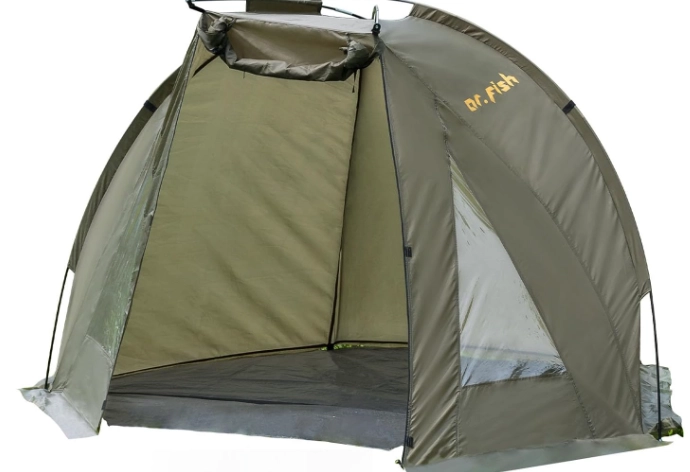
Final Thoughts: It's About More Than Gear
Investing in a good fishing tent fundamentally changes your relationship with the sport. It removes "bad weather" as an automatic reason to stay home. It turns a trip from an endurance test into a comfortable, focused activity. You'll fish longer, stay safer, and honestly, have more fun.
Don't overthink it, but do your homework. Match the shelter to your primary mission. Prioritize durability and proper ventilation. And once you have it, practice setting it up at home. There's no worse time to learn than in a freezing wind or a pouring rain.
Your fishing tent is your basecamp, your hideout, your shelter from the storm. Choose wisely, and it'll pay you back with countless better days on the water.