Ultimate Guide to Fishing Nets: Types, Materials, and How to Choose
What are the different types of fishing nets and how do you choose the right one? This complete guide covers cast nets, gill nets, seine nets, materials like nylon vs. monofilament, selection tips, proper use, maintenance, and sustainable practices for every angler.
Let's talk about fishing nets. I mean, really talk about them. Most anglers obsess over rods, reels, and lures, but the humble fishing net? It's often an afterthought, tossed in the boat at the last minute. That's a mistake I've made more than once. I remember one trip for rainbow trout where I finally hooked a beauty after hours of nothing. As I brought it close, I fumbled for my cheap, undersized net, and... well, you can guess the rest. A lost fish and a lesson learned the hard way. A good fishing net isn't just an accessory; it's a crucial piece of gear that can mean the difference between a trophy photo and a story about "the one that got away."
This guide is here to make sure that doesn't happen to you. We're going to dive deep into the world of fishing nets, stripping away the confusion. We'll look at all the different types, from the classic landing net you use from a boat to the massive seine nets used commercially. We'll break down the pros and cons of different materials—why nylon might be your best friend for some fish but a nightmare for others. I'll even share some hard-earned tips on maintenance (nobody likes untangling a bird's nest of monofilament) and touch on the important stuff about using nets responsibly. Think of this as your one-stop shop for becoming a net expert.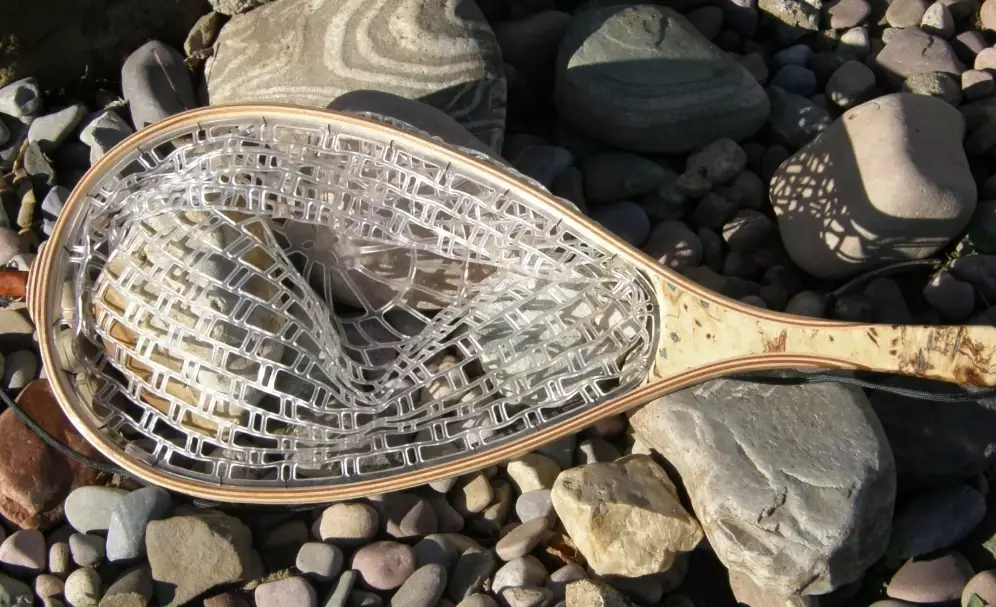
Understanding the Different Types of Fishing Nets
It's not just "a net." The type of fishing net you need depends entirely on what you're trying to catch and how you're trying to catch it. Using the wrong one is like using a spoon to eat soup—it might work, but there's a much better tool for the job.
Landing Nets (The Angler's Best Friend)
This is the net most recreational fishermen think of. It's that handled net you use to scoop up a fish once you've got it hooked and reeled in close. But even here, there's variety.
You've got rubber-coated mesh nets. These are fantastic for catch-and-release because they're gentle on a fish's slime coat and scales, and hooks don't get tangled as easily. I switched to one a few seasons ago for bass fishing, and the difference in how quickly and healthily the fish recover is noticeable.
Then there are knotless nylon mesh nets. They're lighter and dry faster, which is great. But let me be honest—hooks snag in them like crazy. If you're dealing with toothy critters like pike or musky, a heavy-duty, rubber-coated net is non-negotiable unless you enjoy spending your fishing time picking apart knots.
The shape matters too. A wide, shallow net (like a panfish net) is easy to maneuver quickly. A deep, tapered net (like a trout net) is better for guiding a energetic fish head-first into the bag where it calms down.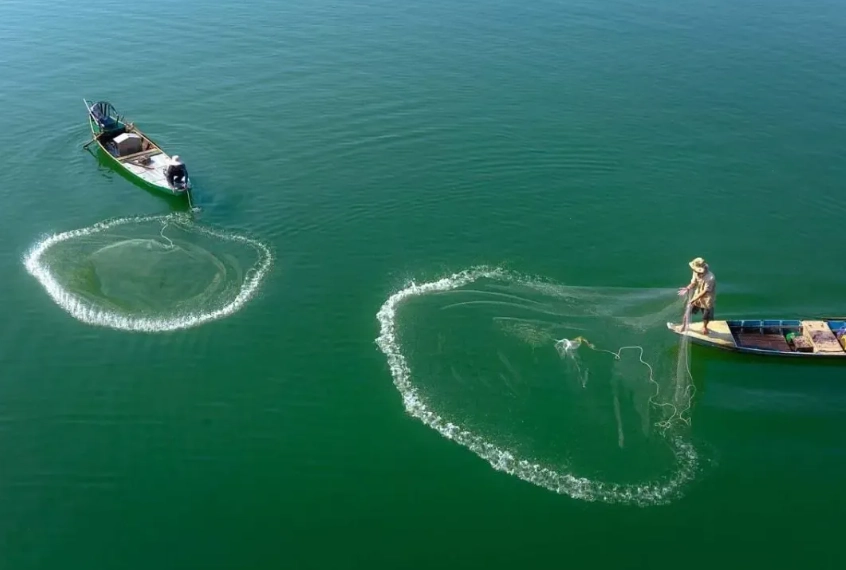
Cast Nets (The Throwable Circle)
These are a world unto themselves. A cast net is a circular net with weights around the edge. You throw it so it opens into a perfect circle, sinks, and traps baitfish or shrimp. It's an art form. My first dozen throws looked more like a crumpled laundry bag than a net. It takes practice to get that smooth, radial spread.
Key things here are mesh size (you don't want to catch tiny fry you can't use) and radius. A bigger net catches more but is harder to throw. For most inshore anglers looking for bait, a 6 to 8-foot radius is the sweet spot.
Gill Nets and Trammel Nets
Now we're moving into commercial and subsistence fishing territory. A gill net is a wall of netting that hangs vertically in the water. Fish swim into it, and their heads pass through the mesh, but their gills get caught when they try to back out. It's a passive, efficient method.
A trammel net is like a more complex cousin. It uses three layers of net: two large-mesh outer walls with a fine-mesh inner net loosely between them. The fish pushes through the first layer, carries the small-mesh net through the second outer layer, forming a pocket that traps it. It's often considered less damaging to the fish than a standard gill net.
It's critical to know that the use of these nets is heavily regulated.
Seine Nets (The Big Sweep)
Imagine a long, rectangular net with floats on the top and weights on the bottom. The ends are pulled, usually by people or boats, to encircle a school of fish. You've probably seen pictures of fishermen on a beach hauling in a huge seine net. They can be massive for industrial fishing or small for catching bait in a creek.
Seining is a very effective way to sample what's in a body of water, which is why agencies like the NOAA Fisheries use scientific seine nets for population studies. For the recreational guy, a small minnow seine can be a fun way to gather live bait with the kids.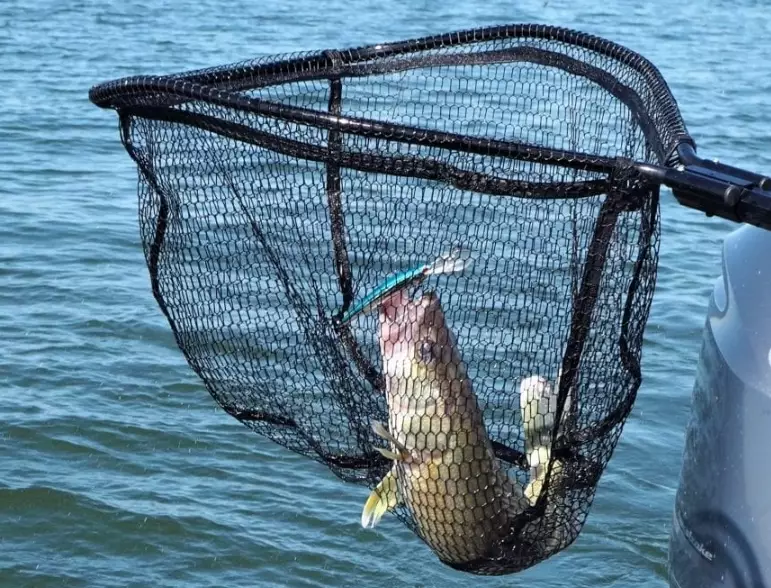
Fishing Net Materials: What's It Made Of?
The material of your fishing net is a huge deal. It affects durability, weight, fish safety, and how much of a headache it is to maintain. Let's compare the big ones.
| Material | Best For | Pros | Cons | My Take |
|---|---|---|---|---|
| Nylon (Multifilament) | Landing nets, seine nets, general-purpose use. | Very strong, durable, abrasion-resistant, affordable. | Absorbs water (gets heavy), can damage fish slime, hooks snag easily. | The old reliable. Great for a tough, cheap net, but I avoid it for catch-and-release. |
| Polyethylene (PE) | Commercial fishing nets, longlines, aquaculture. | Floats, doesn't absorb water, resistant to rot and UV rays. | Can be stiff, less knot strength than nylon. | You see this on big boats. For the everyday angler, it's overkill unless you're making your own net. |
| Monofilament | Gill nets, invisible trap nets. | Nearly invisible in water, sinks fast, good knot strength. | Stiff and prone to tangling (a real pain), can be harsh on fish. | It works for its purpose (being unseen), but it's my least favorite to handle. Tangles are a nightmare. |
| Rubber/PVC Coated Mesh | Landing nets (especially for toothy fish & catch-and-release). | Fish-friendly, hooks don't snag, easy to clean, lasts a long time. | More expensive, can be heavier than plain mesh. | Worth every penny. The upgrade that makes fishing more enjoyable and ethical. |
So, which fishing net material is the best? There isn't one winner. If you're a hardcore catch-and-release bass or trout angler, rubber-coated is king. If you need a cheap, tough net for catfish or panfish where release isn't the priority, nylon works fine. For throwing a cast net for bait, the thin, sinkable monofilament is the standard.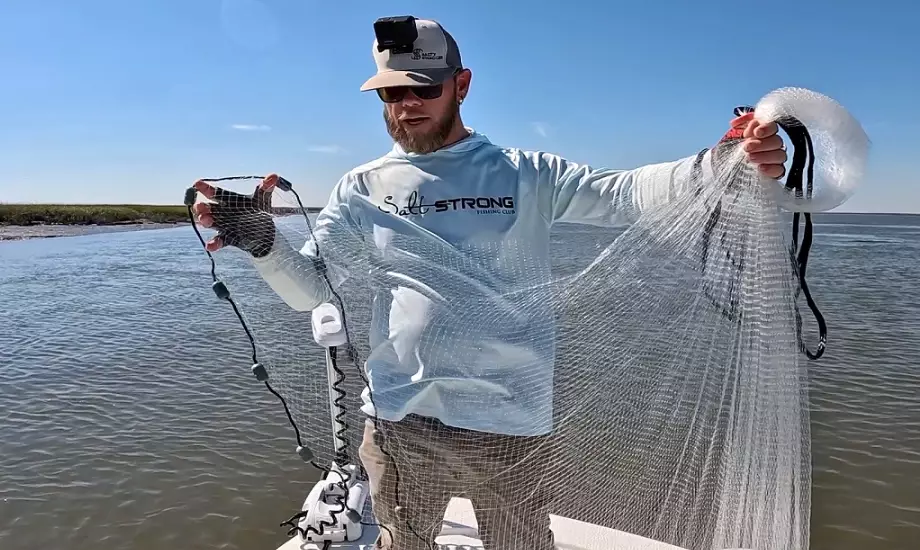
How to Choose the Perfect Fishing Net: A Step-by-Step Guide
Okay, so you're convinced you need a good net. How do you pick? Don't just grab the first one you see at the big-box store. Ask yourself these questions.
What species are you mainly targeting? This is question number one. A net for tiny bluegills is useless for a 40-inch pike. For big, powerful fish, you need a wide hoop, a deep bag, and a strong, long handle.
Where will you be fishing? Bank fisherman? You might want a longer handle (like 6-8 feet) to reach out over the water. In a kayak or canoe? A short, compact net (maybe even a folding one) is key to avoid it becoming a giant snag hazard. In a big boat, you have more room for a full-size net.
What's your budget? You can spend $20 or over $200. A basic aluminum-frame nylon net works. But investing in a lightweight carbon fiber frame with a rubber bag is a game-changer for fatigue on long days and for the health of the fish.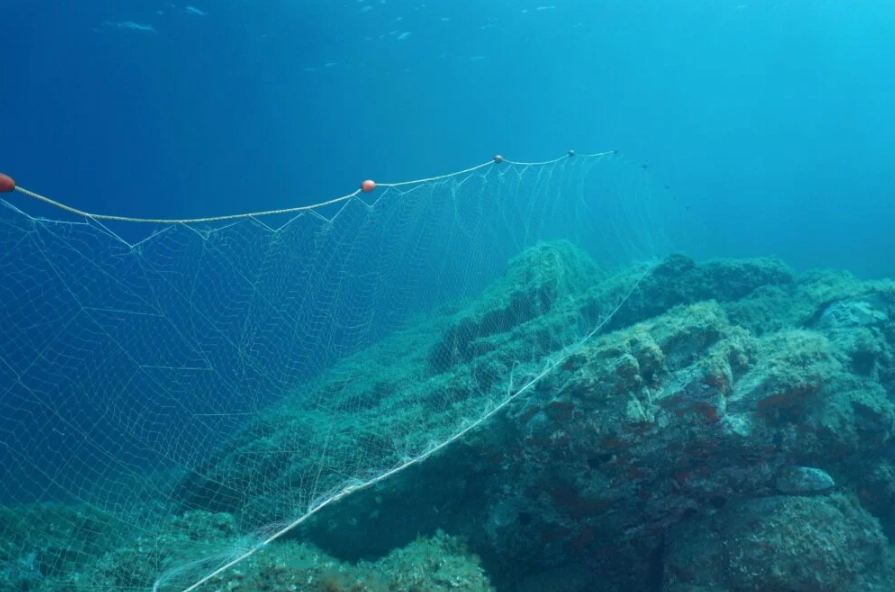
Here's a quick mental checklist I run through:
- Handle: Is it long enough? Is the grip comfortable, even when wet? A telescopic handle is great for saving space.
- Bag Depth: Can it actually contain the fish I'm after, or will its tail flip it right back out?
- Mesh Type: Rubber-coated for toothy fish and gentle release. Maybe knotless nylon for general use if hooks aren't a major concern.
- Weight: This matters more than you think. A heavy net is a pain to hold one-handed while managing a rod with the other.
Using and Maintaining Your Fishing Net
You've got the perfect net. Now let's not ruin it.
Proper Use: It's Not Just a Scoop
Bad netting technique loses fish. The goal is to guide the tired fish head-first into the net. Don't chase the fish with the net—lead it slightly, submerge the net bag, and draw the fish over it. Once the fish is mostly over the net, lift smoothly. Don't try to lift a huge fish vertically out of the water by the net handle alone—you'll break the net or the fish's jaw. Bring it to the side of the boat or onto the bank.
For catch-and-release, keep the fish in the water in the net if possible.
Cleaning and Storage: The Secret to Long Life
This is where most people mess up. A fishing net left wet, dirty, and tangled in the garage or boat locker is a sad sight.
- Rinse it thoroughly with fresh water after every single use, especially after saltwater fishing. Salt and dirt degrade the fibers and corrode metal parts.
- Untangle it immediately. I know, it's the last thing you want to do after a long day, but a small tangle today becomes a giant knotted mess next month. Gently work out any snags or hooks.
- Let it dry completely before storing. Hang it up somewhere with good air flow. Don't stuff it in a bag while it's damp—that's asking for mold and rot.
- For storage, hang it by the hoop or lay it flat. Avoid putting heavy things on top of it which can deform the frame or mesh.
Basic Net Repair
Small holes happen. You don't need to be an expert to fix them. For small tears in a landing net, you can use a simple net needle and some twine (matching the net material is best). There are plenty of tutorials online from sources like the Food and Agriculture Organization (FAO) that show traditional mending techniques, though theirs are for huge commercial nets. The principle is the same: weave new knots to close the gap. For a rubber mesh net, sometimes a drop of specific flexible adhesive can seal a tiny cut. For major damage to the frame or a huge hole, it might be time for a replacement.
Fishing Nets and Sustainability
We can't talk about fishing nets without talking about the elephant in the room: ghost nets. This is the dark side of the fishing net world. Lost or discarded nets, often made of nearly indestructible synthetic materials, can keep fishing on their own for years, killing marine life indiscriminately. It's a massive problem.
So what can you, as an individual angler, do?
First, don't lose your net. Secure it in the boat. If you're using a net from a pier, tie it off. Second, if you find old, discarded netting, if it's safe to do so, remove it and dispose of it properly. Many coastal communities have recycling programs for fishing gear. Third, support and choose gear from companies that are part of take-back or recycling programs. The mindset is shifting from seeing a net as disposable to seeing it as a piece of gear with a full lifecycle that we're responsible for.
Choosing the right net also helps sustainability. A fish-friendly net means a higher survival rate for released fish, which keeps populations healthy. It's all connected.
Common Questions About Fishing Nets (FAQs)
I get a lot of questions from folks starting out. Here are some of the big ones.
What size cast net should I get for bait?
For most beginners targeting shrimp or small baitfish like shad from shore or a dock, start with a 6-foot radius, 1/4-inch mesh net. It's easier to throw than an 8-footer and still very effective. Practice throwing it in a grassy field first—you'll look silly, but you'll save yourself frustration on the water.
Are rubber fishing nets really better?
For the vast majority of recreational hook-and-line anglers, yes, absolutely. The benefits for fish health (preserving the slime coat, preventing scale loss) and angler convenience (no hook tangles) are so significant that it's hard to recommend plain nylon anymore for active fishing. The only downside is cost, but it's an investment that pays off.
How do I fix a hole in my net?
For a small hole, get a net repair needle and some matching cordage. Look up a "simple net mend" video. You basically weave a new patch of mesh over the hole. It's meditative once you get the hang of it. For large rips or degraded netting, replacement is often more cost-effective and reliable.
What is "ghost fishing"?
Ghost fishing is when lost or abandoned fishing gear, like a gill net or crab pot, continues to catch and kill fish, crabs, turtles, and marine mammals indefinitely. These "ghost nets" are a major source of ocean plastic pollution and a deadly threat to marine ecosystems. Properly securing and, when possible, retrieving gear is critical. Organizations worldwide are working on retrieval projects, but prevention is key.
Is monofilament or multifilament better for a net?
It depends on the net! For landing nets, multifilament (like nylon) is common, but coated multifilament (rubber) is better. For cast nets, thin monofilament is standard because it sinks fast and is less visible. For gill nets, monofilament is often chosen for its invisibility in water. There's no universal "best"—only the best for the specific job.
Look, at the end of the day, a fishing net is a simple tool with a profound purpose. It's the final link between you and the fish. Choosing the right one, using it correctly, and caring for it isn't just about catching more fish—it's about respect for the sport, for the gear, and for the resource itself. It's about turning a moment of potential chaos at the side of the boat into a smooth, successful landing. Whether you're netting a sunfish with your kid or battling a salmon in a river, the right net makes all the difference. Now go get yours dialed in.