Essential Fishing Tools Guide: From Rods to Tech for Every Angler
What fishing tools do you really need for a successful trip? This ultimate guide breaks down rods, reels, tackle, electronics, and crucial accessories for beginners and pros, helping you build your perfect kit without wasting money.
Let's be honest. Walking into a tackle shop or scrolling through an online store can feel overwhelming. You've got walls of rods, racks of reels, and bins full of shiny things that all claim to be the secret to catching fish. It's enough to make your head spin, whether you're a total newbie or someone who's been at it for a few seasons. I remember my first time. I bought a cheap combo from a big-box store because it was cheap. The reel seized up on the third trip, and the rod felt like a pool noodle. Money down the drain.
That's why we're cutting through the noise. This isn't about selling you the most expensive gear. It's about understanding the fishing tools that actually work, why they work, and how to pick the right ones for what you want to do. Forget the jargon for a minute. We're just talking about the stuff that gets your bait in the water and a fish in your hands.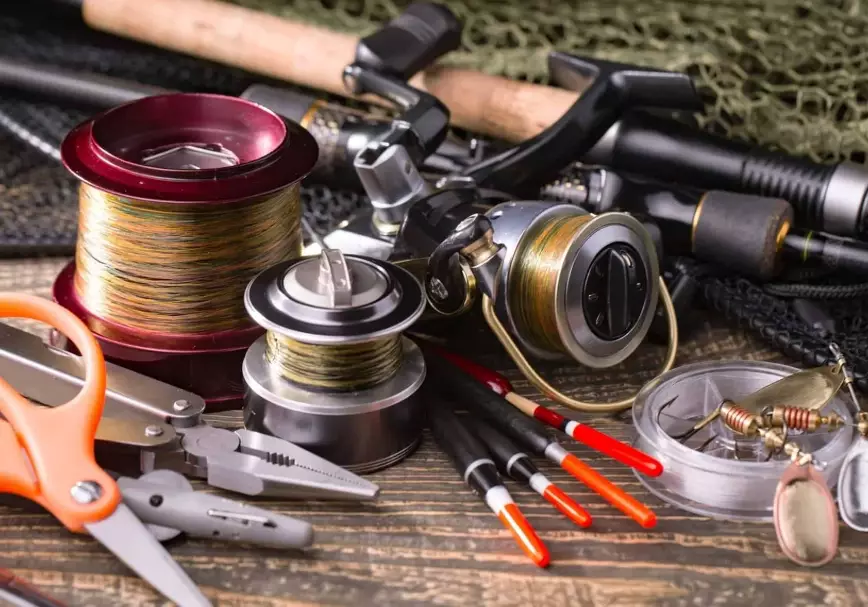
Think of It This Way
Your fishing tools are an extension of you on the water. The right ones feel natural and help you succeed. The wrong ones fight you every step of the way. We're here to make sure you're in the first group.
The Core Foundation: Your Rod and Reel Combo
This is where it all starts. Your rod and reel are the engine of your entire operation. Get this wrong, and everything else becomes a struggle. But get it right, and you're halfway to a great day.
Fishing Rods: The Backbone
Rods aren't just sticks. They're carefully engineered tools that transfer energy. The key specs? Length, power, and action. Length (like 6'6" or 7'2") affects casting distance and leverage. Power (ultra-light, medium, heavy) is the rod's backbone—its resistance to bending. Action (fast, moderate, slow) describes where it bends.
Here's a quick reality check. A fast-action rod bends mostly in the top third. It's super sensitive and great for hook sets with single hooks (like for bass). A moderate-action rod bends more toward the middle. It's forgiving and awesome for treble hooks (like on a crankbait) because it keeps the fish pinned. I made the mistake of using a super fast, heavy rod for trout once. Felt every pebble, but also pulled the hook right out of the fish's mouth on the first jump. Too stiff, no give.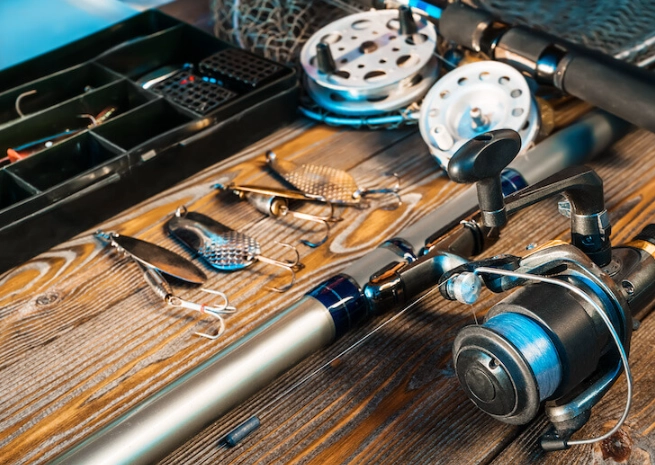
My Take: For a first all-around rod, you can't go wrong with a 7-foot, medium-power, fast-action spinning rod. It handles a huge range of lures and techniques, from weightless worms to smaller crankbaits. It's the Swiss Army knife of rods.
Fishing Reels: The Heart of the Retrieve
Spinning reels or baitcasting reels? The eternal question. Spinning reels hang under the rod, are easier to use, and are less prone to nasty tangles (backlashes). Baitcasters sit on top, offer more control and power for heavier lures, but have a learning curve. A bad backlash on a baitcaster can make you want to throw the whole thing in the lake. Trust me, I've been there.
The gear ratio matters, too. A 6.3:1 ratio means the spool turns 6.3 times for every crank of the handle. Higher (like 7.5:1 or 8:1) means you retrieve line faster—good for burning a spinnerbait back to the boat. Lower (5.3:1) gives you more cranking power for deep-diving lures.
| Reel Type | Best For | Biggest Pro | Biggest Con (The Annoyance Factor) |
|---|---|---|---|
| Spinning Reel | Beginners, light lures, finesse fishing, trout/panfish | Easy to use, versatile, less frustrating | Can twist line more, less power for heavy fish |
| Baitcasting Reel | Heavier lures, precision casting, bass/pike/muskie | Accuracy, power, better line management | Steep learning curve, backlashes are a pain |
| Spincast Reel (the closed-face kind) | Absolute beginners, kids, casual pond fishing | Extremely simple, tangle-resistant | Less control, lower durability, not for serious use |
So, what's the verdict on your core fishing equipment? Don't buy a "combo" just because it's cheap and pre-matched. Think about what you'll fish for most often. A good mid-range combo where you pick the rod and reel separately will almost always outperform a packaged combo at the same price.
The Stuff You Tie On: Terminal Tackle and Lures
Okay, you've got your stick and string winder. Now you need the business end—the things that actually go in the water and (hopefully) attract a fish. This is where tackle boxes get messy and budgets can explode. Let's organize it.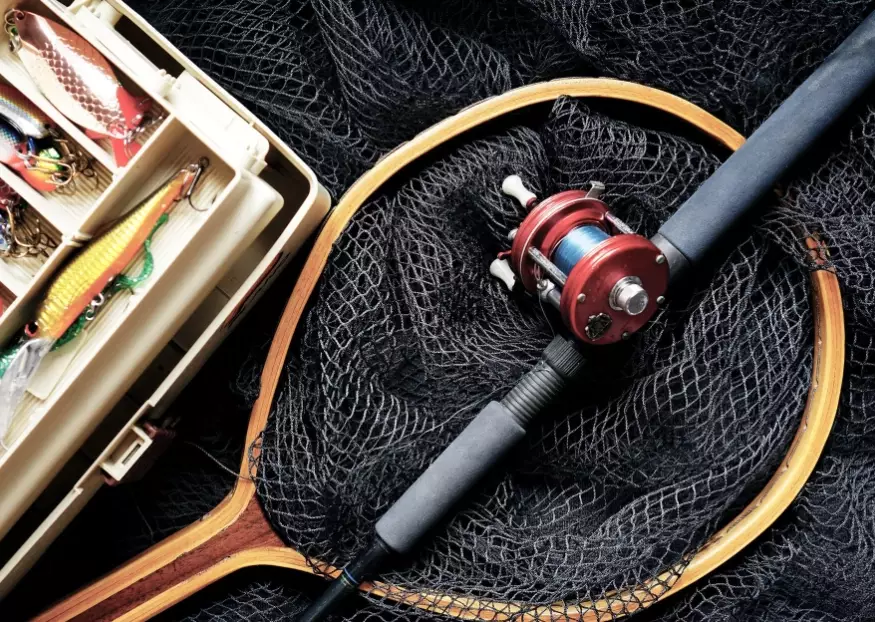
The Non-Negotiables: Hooks, Weights, and Swivels
These are the unsung heroes, the boring-but-essential fishing gear. You will lose them. Constantly. So buy in sensible bulk.
- Hooks: Size and style are everything. A wide gap hook for plastic worms. A thin wire hook for live bait so it stays alive longer. A treble hook for hard baits. Match the hook to your bait and target fish's mouth. Using a huge hook for bluegill is just silly.
- Weights/Sinkers: Split shot for subtle adjustment. Bullet weights for Texas-rigging worms. Egg sinkers for live bait rigs that let fish run. Their job is to get your bait down, but too much weight can make things look unnatural.
- Swivels & Snaps: Barrel swivels prevent line twist, especially when using spinners or spoons. Snap swivels let you change lures fast. But a direct tie (like a Palomar knot) is almost always stronger and more stealthy than a snap.
I learned the swivel lesson the hard way. Was using a spinner without one. After twenty minutes, my line was so coiled it looked like a phone cord. Totally ruined the presentation.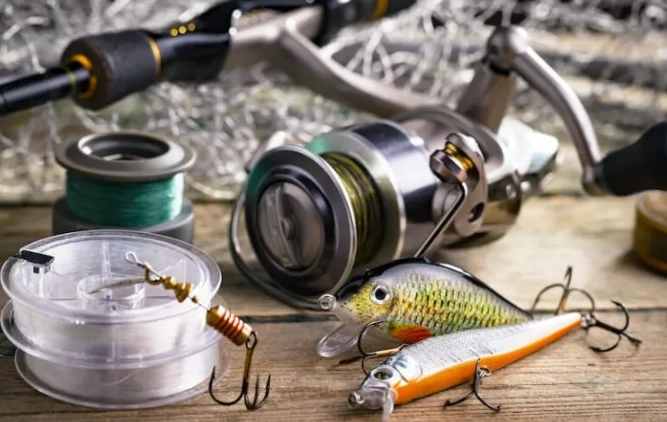
Lures: The Artificial Attractors
This is the fun part, but also the most confusing. Lures imitate prey. They can be broken into a few main families, each with a purpose.
Pro Tip: Instead of buying one of every color, master a few lure types in natural colors (shad, green pumpkin, black/blue) first. Fish eat prey, not rainbows.
Topwater: Poppers, walkers, frogs. They stay on the surface. The strikes are explosive and heart-stopping. Best used early morning, late evening, or on overcast days. Nothing gets the adrenaline going like a bass blowing up on a topwater frog.
Hard Baits: Crankbaits (dive and wobble), jerkbaits (suspend and dart), minnow baits. They imitate fleeing baitfish. The depth they run is critical. A deep-diver won't work in 2 feet of water.
Soft Plastics: Worms, creatures, swimbaits. This is where modern fishing lives. You rig them on a hook, often with a weight. They're incredibly versatile and often the most effective tool in tough conditions. The options are endless, which is both a blessing and a curse.
Spinners & Spoons: Simple, flashy, and often deadly. Spinnerbaits have blades that spin and vibrate. In-line spinners like the classic Rooster Tail are fish-catchers everywhere. Spoons wobble and flash, imitating a wounded fish. They're old-school but they just work.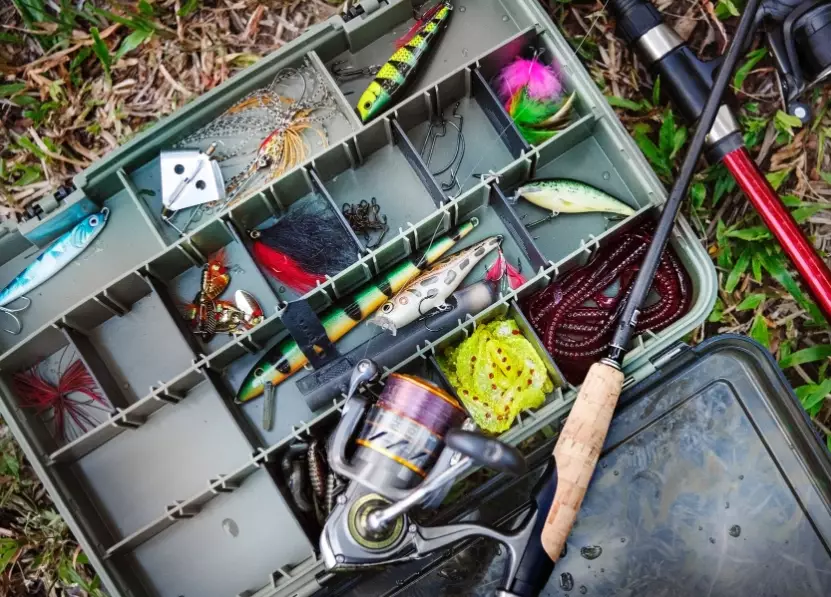
Common Mistake: Buying lures that don't match your rod's power or your local forage. A huge muskie lure is useless on a farm pond. A tiny trout spinner won't cast well on a heavy bass rod. Think about where you fish and what the fish there actually eat.
The Game Changers: Modern Fishing Tech and Accessories
This is where fishing has evolved beyond the basic pole and worm. Some of these tools feel like cheating, but they're standard now for a reason.
Electronics: Seeing the Unseen
If you're fishing from a boat, a fish finder (sonar) is arguably the most important tool after your rod. It's not just for finding fish—it's for understanding the underwater world: depth, bottom composition (hard, soft, rock), structure (logs, drop-offs), and yes, individual fish or schools.
Modern units with side-imaging and live-scope are insane. You can see a bass sitting next to a stump 40 feet away in real time. It changes everything. But even a basic model that shows depth and structure is a massive advantage over blind casting.
For the shore angler or kayaker, portable castable sonars exist. They connect to your phone and give you a peek at what's in front of you. Handy for finding a drop-off from the bank.
Tools You Carry: Pliers, Cutters, Grippers
This isn't glamorous, but it's critical for safety and fish care. A good pair of fishing pliers can unhook a deeply hooked fish, crimp split shot, and cut line. Get stainless steel or with a corrosion-resistant coating. Cheap ones rust shut after one season.
Line cutters (or a small pair of nail clippers) are a must. Trying to bite through modern braided line is a joke—you'll just hurt your teeth.
Fish grippers (like those from Boomerang Tool Company) are essential for toothy critters like pike or saltwater species. They protect you and the fish. A lip grip scale lets you weigh your catch without harming it. Handling tools are part of being a responsible angler.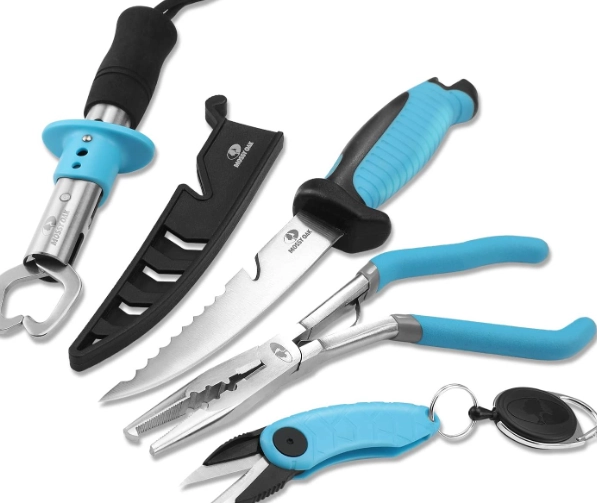
Putting It All Together: Building Your System
So you've got a pile of components. How do you build a functional kit without carrying your entire garage to the water?
The Essential Kit for a Beginner
Let's say you have $200-$300 to start. Here’s where I’d put the money, in order of importance:
- A decent spinning combo ($100-$150): A brand-name rod and reel in the 7', medium-power range. This is your biggest investment.
- Line ($15-$20): Start with 8-10 lb monofilament or a 10-20 lb braid with a fluorocarbon leader. It's more forgiving than straight fluorocarbon for a newbie.
- A small tackle box/bag ($20-$30): Get something with trays. Organization saves time and frustration.
- Terminal tackle ($30): An assortment of hooks (sizes 2, 1/0, 3/0), bullet weights (1/8, 3/16, 1/4 oz), some barrel swivels, and a pack of bobbers.
- A few proven lures ($30): A couple of inline spinners (Rooster Tail), a square-bill crankbait that dives 3-5 feet, a pack of soft plastic worms (stick baits like Senkos), and some worm hooks.
- Basic tools ($15): Pliers, nail clippers, a jaw spreader if targeting toothy fish.
That's a solid foundation. You can catch panfish, bass, walleye, and more with just that. From there, you specialize based on what you enjoy.
Maintenance: The Boring Secret to Longevity
Your fishing tools will fail if you neglect them. Reels need a drop of oil on the moving parts and a light grease in the gears once a season. Rinse everything with freshwater after a trip, especially after saltwater use. It takes five minutes and doubles the life of your gear. I was lazy one year and left a reel with salt spray on it. The drag washers corroded into a solid, crunchy brick. An expensive lesson.
Q: I'm on a tight budget. What's the one thing I shouldn't cheap out on?
A: The reel. A $30 rod with a $70 reel will perform better than a $70 rod with a $30 reel. A smooth, reliable drag system (what slows the fish down) is worth every penny when you hook something good.
Q: How many rods do I really need?
A: You can do almost everything with one good spinning rod. But if you get serious, having two or three dedicated tools makes life easier: a lighter setup for finesse, a medium for general use, and a heavier one for big lures or big fish. It's about efficiency, not necessity.
Q: What's the most overrated piece of fishing gear?
A: In my opinion, overly complicated "match-the-hatch" color patterns for lures in stained or muddy water. In clear water, sure, realism matters. But in most conditions, profile, action, and vibration are far more important than whether your plastic worm has 14 exact paint dots. Don't get sucked into buying 20 shades of green.
Final Thoughts: It's About Time on the Water
All these fishing tools are just that—tools. They enable the experience. The best rod in the world won't catch fish if you're not learning where they live, what they eat, and how they behave with the seasons. That knowledge only comes from time spent observing, experimenting, and yes, sometimes failing.
Start simple. Master a few basic techniques with a few basic lures. Learn to tie a few good knots (Palomar, Uni, Improved Clinch) perfectly. Your knot is the weakest link in your entire setup. Pay attention to the details—the sharpness of your hook, the way your lure moves in the water.
And remember, regulations and conservation are part of the sport. Always check your local fishing regulations from an official source like your state's Department of Natural Resources or the U.S. Fish & Wildlife Service. Know size and bag limits. Handle fish with care if you release them. Good fishing equipment includes a ruler and a mindset of stewardship.
The goal isn't to have the most gear. It's to have the right gear for you, so you can focus on the peace, the challenge, and the thrill of the catch. Now get out there and get your line wet.