The Ultimate Guide to Fishing Sunglasses: Choose the Best for Your Catch
Struggling to see fish beneath the water's glare? Discover how to choose the perfect pair of fishing sunglasses. This in-depth guide breaks down polarized lens technology, frame materials, lens colors for different conditions, and essential care tips to improve your vision and catch rate on the water.
Let's be honest. For years, I thought any old pair of cheap sunglasses would do for a day on the water. I'd grab whatever was in the car, head out, and spend half the day squinting. I'd see flashes below the surface but couldn't tell if it was a fish, a rock, or my own wishful thinking. It was frustrating. Then, on a guided trip, the guide handed me his spare pair of polarized fishing sunglasses. The difference wasn't just noticeable; it was like someone had turned on a high-definition filter for the entire lake. Suddenly, I could see the weed lines clearly, spot individual bass holding near structure, and even see the lure tracking back to the boat. It completely changed the game.
That's the moment I realized fishing sunglasses are a tool, not an accessory. They're as important as your rod, reel, and lure selection. If you can't see what's happening below the surface, you're fishing blind. This guide is everything I wish I'd known back then, broken down without the jargon, so you can make a smart choice and see more fish.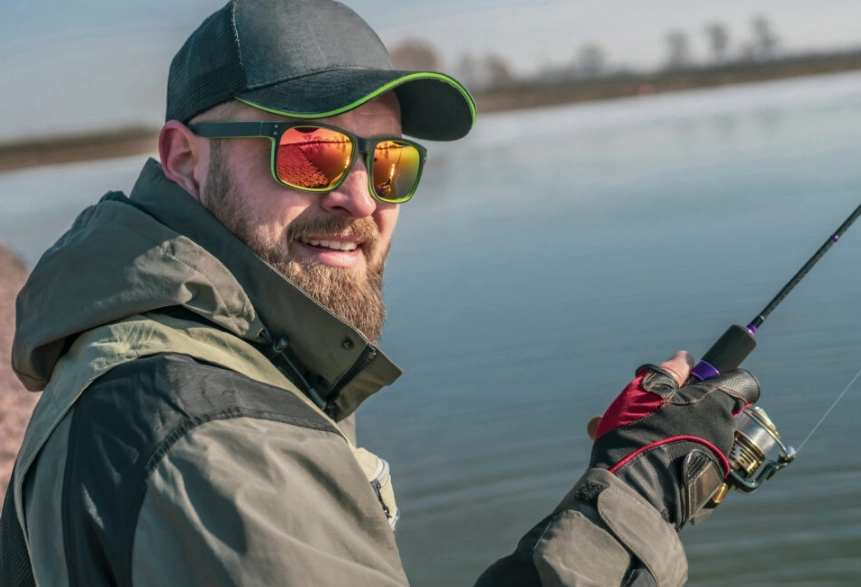
The Core Idea: Regular sunglasses just darken. True fishing eyewear eliminates blinding glare from water, reduces eye strain, and reveals the underwater world. It's about vision, not just shade.
It's All in the Lens: Demystifying Polarized Technology
This is the heart of it. The word "polarized" gets thrown around a lot, but what does it actually mean for you, sitting in your boat?
Think of light bouncing off water like a bunch of waves traveling in every direction—up, down, sideways. This chaotic scatter is what creates that blinding, reflective glare on the surface. A polarized lens has a special filter (like a microscopic Venetian blind) embedded in it. This filter only allows vertical light waves to pass through. It blocks the horizontal waves, which are the primary cause of glare.
The result? The surface glare is dramatically cut. The water's surface seems to "open up," letting you see into the water column. You can see submerged logs, changes in bottom composition, and, of course, fish. It also drastically improves contrast, making objects pop against their background.
A Quick Reality Check: No pair of fishing sunglasses will let you see perfectly into deep, murky water. They work on glare, not water clarity. But in clear to slightly stained water, the effect is transformative.
Lens Material: Glass vs. Polycarbonate vs. Trivex
This is a classic debate. The lens material affects clarity, weight, durability, and price. There's no single "best"—it depends on your priorities.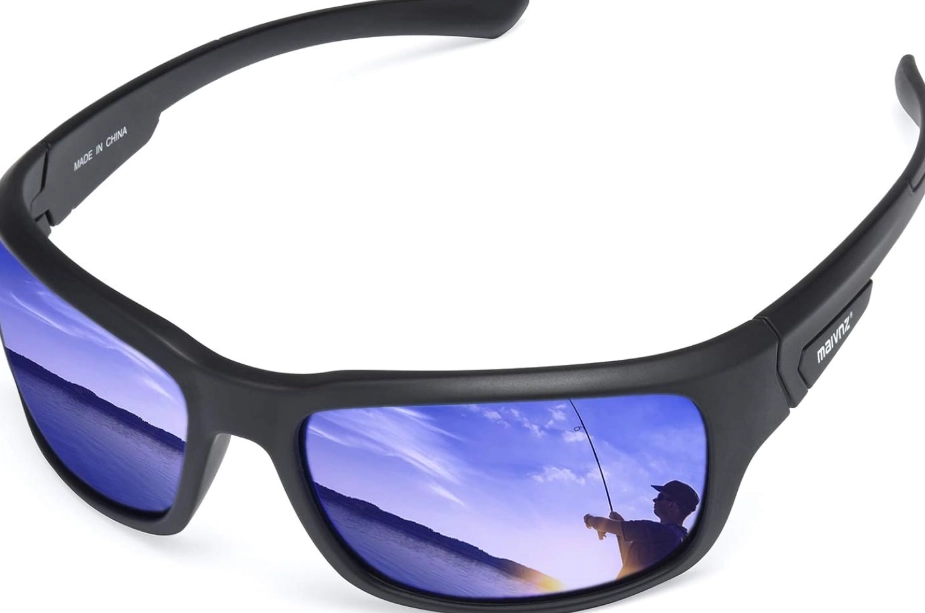
| Material | Clarity & Optics | Durability & Weight | Best For | My Take |
|---|---|---|---|---|
| Glass | Exceptional. The gold standard for optical clarity and scratch resistance. Color is rich and true. | Heaviest. Can shatter on extreme impact (though most are tempered). | Serious anglers who prioritize perfect vision above all else and are careful with gear. | If budget allows and you treat your gear well, the view is unbeatable. But they'll tire your face on a long day. |
| Polycarbonate | Very good. Not *quite* as optically perfect as glass, but modern coatings close the gap. | Champion. Lightweight and virtually impact-proof. More prone to light scratches. | Almost everyone. Kayak anglers, rough-water fishermen, people on a budget, or anyone who tends to drop things. | My daily drivers. The perfect balance of performance, weight, and durability for the money. You almost can't kill them. |
| Trivex | Excellent. Often considered to have optics closer to glass than polycarbonate. | Similar to polycarbonate—light and very impact-resistant, sometimes even better. | Anglers wanting near-glass optics with polycarbonate-like durability. Often found in higher-end models. | A fantastic premium option. You pay more, but you get the best of both worlds. If you can afford it, it's hard to beat. |
I made the mistake of buying cheap glass-lens knockoffs once. The polarization was weak, and the distortion gave me a headache after an hour. Lesson learned: invest in the lens from a reputable brand, even if it means a simpler frame.
Choosing Your Lens Color: It's Not About Fashion
This is where many anglers get tripped up. The lens tint isn't for looking cool (though that's a bonus); it's a tool for specific light conditions. Picking the wrong color is like using a deep-diving crankbait in two feet of water—it just won't work right.
- Gray or Gray-Green: Your all-day, neutral workhorse. It provides true color perception and reduces overall brightness without distorting colors. Ideal for bright, sunny days on open water. It's my default choice if I'm only bringing one pair.
- Brown/Copper/Amber: The contrast king. These tints enhance contrast, especially against green and blue backgrounds. They make weed beds pop, improve depth perception, and are fantastic for spotting fish in slightly stained or greenish water. Great for partly cloudy to full sun conditions. This is probably the most popular choice for bass fishermen.
- Blue or Mirror (Blue Mirror): Designed for intense, glaring light on wide-open saltwater or high-altitude lakes. The blue mirror coating reflects a ton of light away from your eyes. They can sometimes make things look a bit cooler (color-temperature wise), but they're unmatched for cutting through the brutal glare of offshore fishing.
- Yellow or Vermillion: Low-light specialists. On overcast days, at dawn, dusk, or in heavy fog, these lenses brighten your field of view and enhance contrast when there's little natural light. They are terrible in bright sun but absolute lifesavers when the light is fading and the fish are biting.
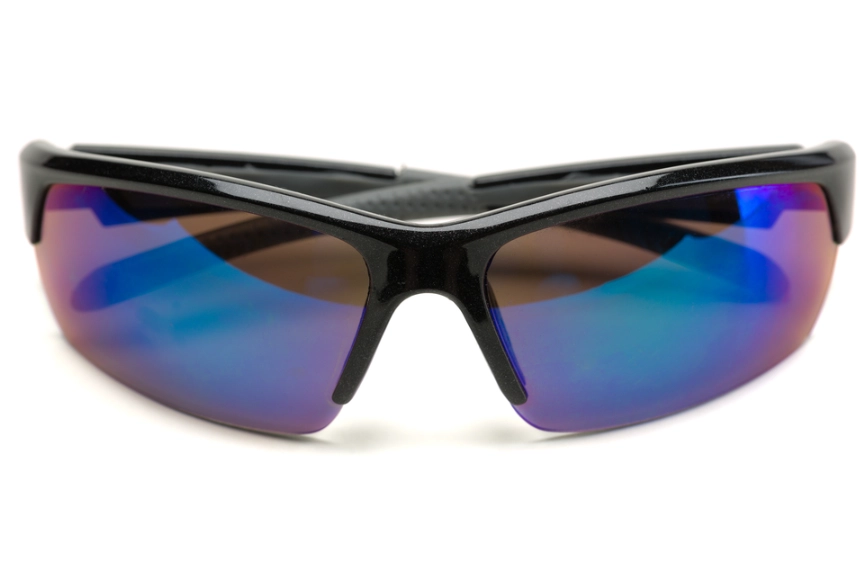
So, how do you choose? Match the lens to your most common fishing environment. Inland freshwater angler chasing bass in reservoirs? Start with a brown/copper lens. Offshore saltwater guy? Look at blue mirrors. And honestly, consider owning two pairs—one for bright sun (brown/gray) and one for low light (yellow). It's a game-changer.
Pro Tip: Many high-end fishing sunglasses offer interchangeable lenses. It's a bigger upfront cost but cheaper than buying two complete pairs. You can swap from a copper lens at noon to a yellow lens at dusk in 30 seconds.
The Frame: Where Comfort Meets Function
A perfect lens is useless if the frame gives you a headache or slides off your face when you lean over the side of the boat. Frame fit is critical.
Frame Materials & Fit
Nylon frames (like Grilamid) are light, flexible, and corrosion-resistant—perfect for saltwater. Metal frames (often with rubberized nose and temple pieces) offer a sleek look and can be very adjustable. Acetate frames are durable and have great color options but can be heavier.
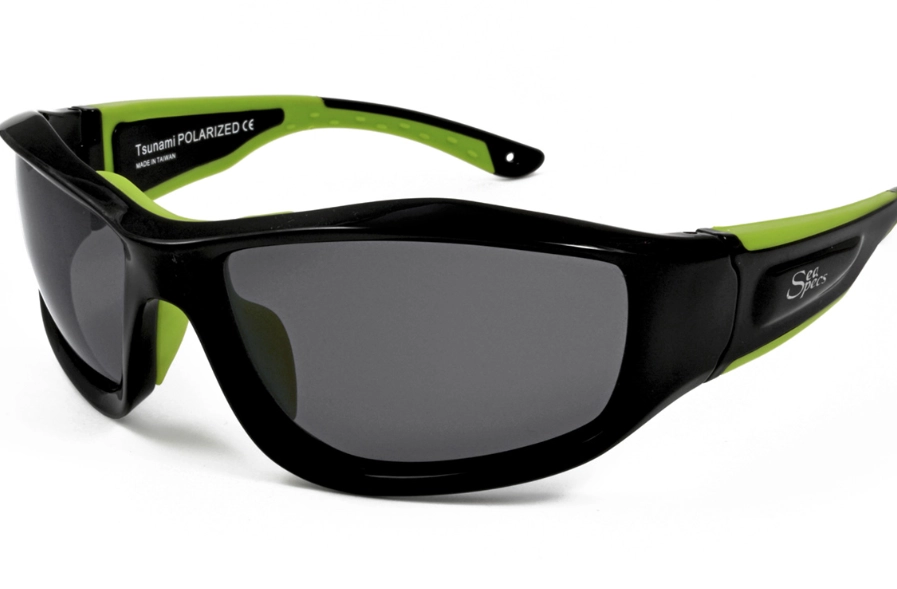
The key is the wrap. A good fishing sunglasses frame will have a moderate to significant wrap-around design. This isn't just for a "sporty" look; it blocks light from entering your peripheral vision from the sides and top. Look for frames with rubber or grippy material on the nose pads and temple tips. When you sweat (and you will), these keep the glasses firmly in place during a cast or a fight with a fish.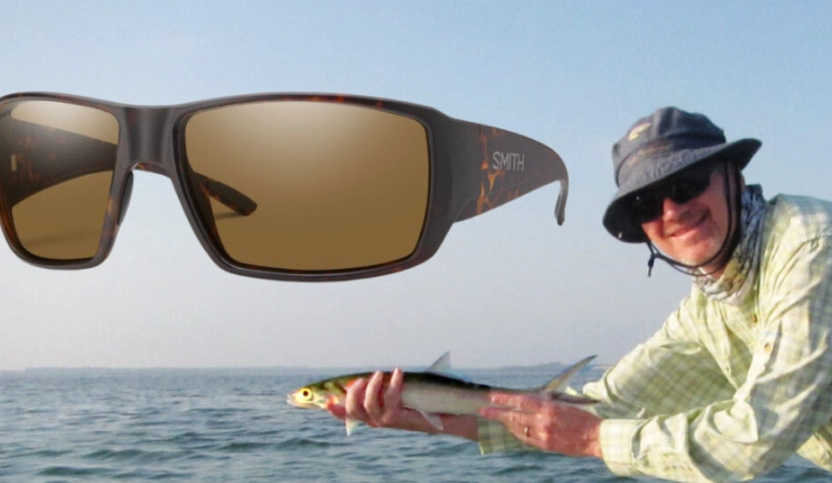
I learned this the hard way with a pair of straight, slick-framed glasses. One aggressive hookset, and they flew right off my face and into the drink. Gone forever. Grippy temples are non-negotiable.
Polarization Quality: Not All Are Created Equal
Here's a dirty little secret: some cheap "polarized" lenses just have a film slapped on the back. It works poorly and peels off. Quality brands laminate the polarizing filter *within* the lens. How can you tell? It's hard before you buy, but stick with known fishing brands (Costa, Maui Jim, Oakley, Smith, etc.) or reputable optical companies. Read reviews that specifically mention optical clarity.
An easy at-home test for any polarized lenses: look at a digital LCD screen (like your phone or a car dashboard). Tilt your head 45 degrees. If the screen turns black or very dark, the lenses are genuinely polarized.
Taking Care of Your Investment
Good fishing sunglasses aren't cheap. Treat them right, and they'll last for years.
- Always use the case. The soft pouch is for cleaning cloths only. The hard case is for storage and transport. Most lens scratches happen in your gear bag or center console.
- Wet before you wipe. Salt, sand, and dust are lens killers. If you need to clean them on the water, rinse them with fresh water first. If you're on the boat, dunk them in the lake. Then use a microfiber cloth to gently dry and clean. Never wipe a dry, dirty lens.
- Say no to paper towels and your shirt. These materials can have tiny abrasive particles that will create fine scratches over time, clouding your view.
- Keep them away from extreme heat. Don't leave them on your dashboard on a hot day. The heat can warp frames and damage lens coatings.
Answers to Questions You Were Too Embarrassed to Ask
Let's tackle some common head-scratchers.
Q: Can I just use my regular polarized sunglasses for fishing?
A: You can, and it's better than nothing. But dedicated fishing sunglasses typically have better peripheral coverage (wrap), more secure grips, lens tints specifically tuned for water, and are built from materials that resist corrosion from sweat and saltwater. It's the difference between a multi-tool and a fillet knife—both cut, but one is purpose-built for the job.
Q: Why do my polarized sunglasses make my boat's windshield look weird?
A: Many car windshields have a stress pattern or a laminated layer that interacts with the polarized filter, creating a rainbow or blotchy effect (birefringence). It's normal. It's also why some anglers find it hard to read their fish finder screens with polarized glasses on—the screens are often polarized themselves. Tip your head sideways to see if the screen clears up.
Q: Do I need 100% UV protection?
A: Absolutely, non-negotiable yes. Long-term exposure to UV rays on the water contributes to cataracts and other eye issues. Any quality pair of fishing sunglasses will block 100% of UVA and UVB rays. Don't even consider a pair that doesn't. The American Academy of Ophthalmology consistently stresses the importance of UV-blocking sunglasses for outdoor activities.
Q: Does lens color affect how deep I can see?
A: Indirectly, yes. By enhancing contrast and cutting specific wavelengths of light, certain colors (like brown) can help your eyes distinguish an object from its background at greater distances in the water column. But remember, water clarity is the ultimate limiting factor.
Look, at the end of the day, the best fishing sunglasses are the ones you'll wear all day without noticing. They should feel secure, be clear, and match the light you fish in most often. Don't overcomplicate it. Start with a trusted brand's polycarbonate lens in a brown or gray tint that fits your face well. See more fish, catch more fish, and save your eyes for a lifetime of days on the water. It's that simple.
Now, go get your feet wet.