Ultimate Guide to Fishing Gloves: Selection, Usage & Top Picks
Ever wondered what makes a great pair of fishing gloves? Our ultimate guide covers everything from choosing the right material for cold water to protecting your hands from hooks and sun. Learn how to select, use, and maintain your fishing gloves for maximum comfort and safety on the water.
Let's be honest. When you're gearing up for a fishing trip, your mind is on the rod, the reel, the lures, and that dream catch. Your hands? They're an afterthought. Until you're miles from shore, your fingers are numb, a hook finds its way into your palm, or the sun has turned the back of your hands into leather. That's when you realize a good pair of fishing gloves isn't just an accessory; it's essential gear.
I learned this the hard way. Early in my fishing days, I thought gloves were for wimps or deep-sea commercial guys. A few brutal days of cold-weather fishing, a nasty slip with a fillet knife, and countless sunburns later, I became a convert. Now, I won't hit the water without a pair suited to the conditions. The difference isn't subtle—it's the difference between calling it a day after two hours and fishing comfortably until sunset.
This guide is everything I wish I'd known back then. We're going to dig into why you need them, how to pick the perfect pair, and how to make them last. No fluff, just the stuff that matters when you're out there.
Why Your Bare Hands Aren't Enough: The Case for Fishing Gloves
Think about what your hands go through during a typical trip. They're constantly wet. They handle sharp hooks, abrasive lines, and sometimes toothy fish. They're exposed to UV rays reflecting off the water, which is often worse than direct sun. In colder months, they lose heat rapidly, making fine motor skills—like tying a knot—nearly impossible.
Good fishing gloves solve these problems proactively. They're not just socks for your hands; they're functional tools. The right pair gives you confidence. You can handle a feisty pike or a spiny catfish without that moment of hesitation. You can keep fishing when the temperature drops because your fingers still work. It changes the entire experience.
I remember trying to unhook a smallmouth bass with cold, stiff fingers. It was a mess. The fish suffered, I felt clumsy, and it took forever. With a grippy, protective glove, that process is smooth and safe for both of you.
The Buyer's Checklist: How to Choose Your Fishing Gloves
Walking into a store or browsing online can be overwhelming. Neoprene, nylon, leather, full-finger, fingerless... where do you even start? Don't just grab the first pair you see. Ask yourself these questions first. Your answers will point you in the right direction.
What's Your Primary Fishing Environment?
This is the biggest factor. The gloves you need for ice fishing on Lake Superior are worlds apart from what you'd wear bass fishing in Florida in July.
- Cold Water/Winter Fishing: Insulation is king. You're looking at neoprene (like wetsuit material) or thermal-lined synthetics. Look for a thickness rating (e.g., 2mm or 3mm). The trade-off is bulkiness.
- Warm Water/Summer Fishing: Breathability and sun protection are your goals. Thin, synthetic materials with UPF ratings are ideal. Many anglers prefer fingerless styles here for maximum dexterity.
- Saltwater Fishing: Durability and corrosion resistance matter. Saltwater fish are often bigger, meaner, and have sharper gill plates. Look for tough materials like synthetic leather or reinforced nylon. Quick-drying ability is also crucial.
What Features Actually Matter to You?
Gloves come with all sorts of bells and whistles. Some are gimmicks, some are game-changers. Here's my take on what to look for.
Grip: This is non-negotiable. Look for silicone prints, rubberized dots, or textured patterns on the palms and fingers. A smooth palm on a wet fishing rod is a liability. Test it if you can—does it feel secure?
Dexterity: Can you still tie a Palomar knot or adjust a drag knob? Fingerless gloves offer the most dexterity. Full-finger gloves need to be made from stretchy, thin materials at the fingertips. Some have fold-back finger caps, which is a clever design.
Hook & Abrasion Resistance: This is about material toughness. A layer of Kevlar stitching, synthetic leather patches on high-wear areas (like the palm and forefinger), or tightly woven materials can stop a hook point from a glancing blow or protect against line burn.
UPF Rating: Sun protection. Your hands are one of the first places to show aging from sun exposure. A UPF 50+ rating blocks over 98% of UV rays. The CDC emphasizes sun safety for all outdoor activities, and fishing is no exception.
Cuff Style: A longer cuff keeps water and debris out, especially useful in kayaks or when wading. A shorter cuff is less restrictive and cooler.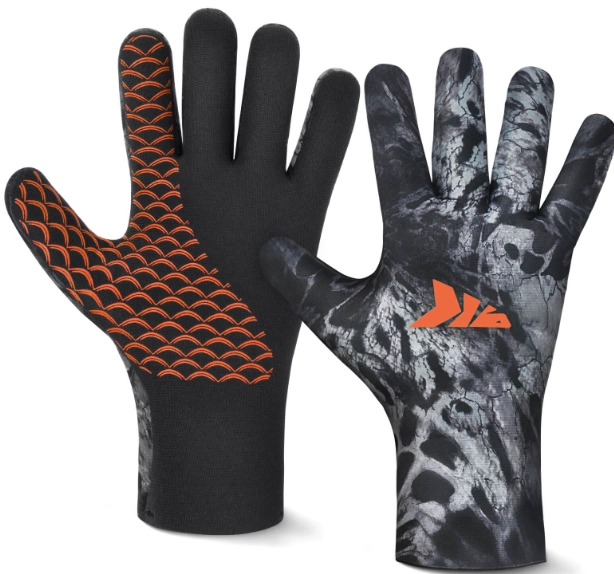
Material Showdown: The Pros and Cons
Let's break down the common materials. There's no single "best" material—only the best for your specific needs.
| Material | Best For | Biggest Pro | Biggest Con |
|---|---|---|---|
| Neoprene | Cold water, ice fishing, winter kayak fishing | Superior insulation and warmth, even when wet. | Can be bulky, reduces dexterity, hands can sweat in mild weather. |
| Synthetic Leather (e.g., Clarino) | Saltwater fishing, handling toothy fish, general durability | Excellent abrasion and hook resistance, good wet grip. | Less breathable, can take longer to dry than synthetics. |
| Nylon/Polyester Blends | Warm weather, light-duty freshwater fishing, sun protection | Lightweight, breathable, quick-drying, often have high UPF. | Less protection against sharp objects and abrasion. |
| Mesh & Spandex Combos | Maximum breathability and flexibility in hot climates | Feels like a second skin, incredible dexterity. | Almost zero protection from hooks or teeth, purely for grip and sun. |
My personal quiver usually has two pairs: a rugged synthetic leather pair for handling fish and rough work, and a thin, breathable nylon pair for sunny bass days where I need to feel the line.
Glove Types Decoded: Fingerless vs. Full-Finger & Specialized Designs
This is the great debate among anglers. The choice fundamentally comes down to a trade-off between protection and feel.
Fingerless Fishing Gloves
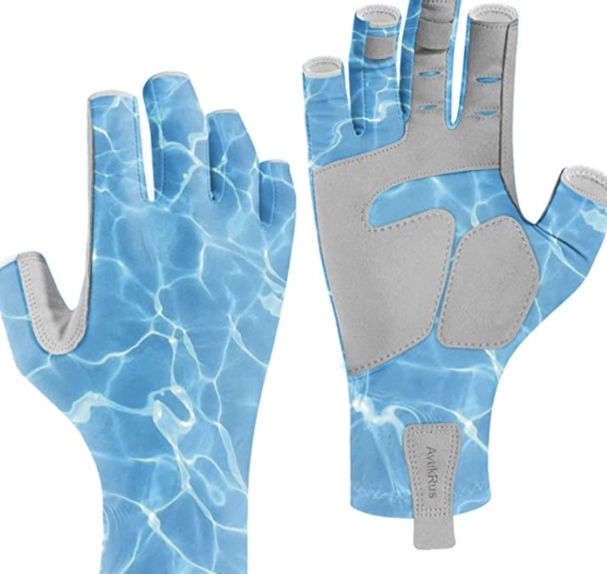
These are the classics. They cover your palm and the back of your hand but leave your fingertips exposed.
Why people love them: Unbeatable dexterity. You can tie knots, feel line tension, handle small hooks, and operate touchscreens without taking them off. They're also cooler in hot weather.
The downside: Your fingertips are completely unprotected. From fish teeth, hook points, sunburn, and cold. I've gotten more minor nicks and cuts on my fingertips while wearing fingerless gloves than I care to admit. They're also not great for extreme cold.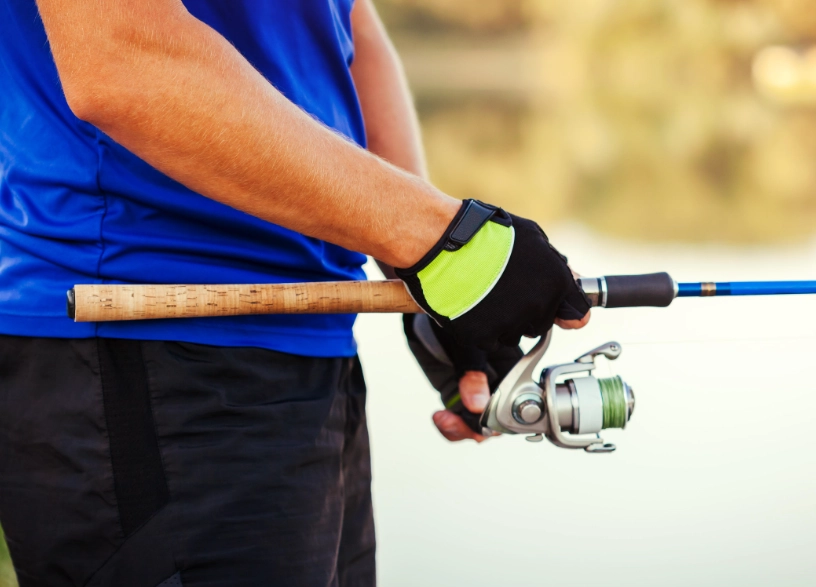
Full-Finger Fishing Gloves
These offer complete coverage. Modern designs use thin, sensitive materials at the fingertips to mitigate the loss of feel.
Why they're gaining popularity: Total protection. From the elements, from hazards, from everything. They're essential for cold-weather fishing and provide much better defense against hook injuries. A good pair will still allow you to perform most tasks.
The compromise: You will lose some tactile sensitivity. Some fine tasks, like threading line through a tiny hook eye, might require you to pull a finger tip off or remove the glove entirely.
Specialty and Hybrid Styles
The market has gotten creative to bridge the gap.
- Convertible/Fold-Back Fingers: The fingertip section folds back and is held in place by a tab or magnet. You get full-finger protection when you need it and instant fingerless dexterity when you don't. This is a brilliant design for changing conditions.
- "Gripper" Gloves with Palm-Only Coverage: These are barely gloves—more like a palm pad with a strap. They provide grip for fighting fish and handling rods but offer zero protection elsewhere. I find them a bit limited, but some kayak anglers swear by them.
- Cut-Resistant Models: Integrated with materials like Dyneema or high-performance polyethylene. These are for the serious offshore or predator angler handling fish with razor-sharp teeth or gill plates. They're niche but vital for that niche.
Care and Maintenance: Making Your Fishing Gloves Last
You drop good money on a quality pair. Don't ruin them by throwing them in a wet, smelly pile at the end of the day. A little care goes a long way.
After Every Trip:
- Rinse: Give them a thorough rinse in fresh water, inside and out. This is critical for saltwater use to remove corrosive salt crystals.
- Wash (occasionally): Use a mild soap (like dish soap or a dedicated technical gear cleaner) and lukewarm water. Gently hand wash. Never use bleach or strong detergents.
- Dry Properly: This is the most important step. Turn them inside out if possible. Air dry them away from direct heat (like a radiator or heater) and direct sunlight, which can degrade the materials. Stuffing them with paper towels can help absorb moisture and maintain shape.
Storage: Store them completely dry in a cool, ventilated place. Don't cram them into a tight space. Let them breathe.
For more detailed guidance on cleaning technical outdoor gear, resources like REI's expert advice on fabric care are incredibly useful, as the principles are similar.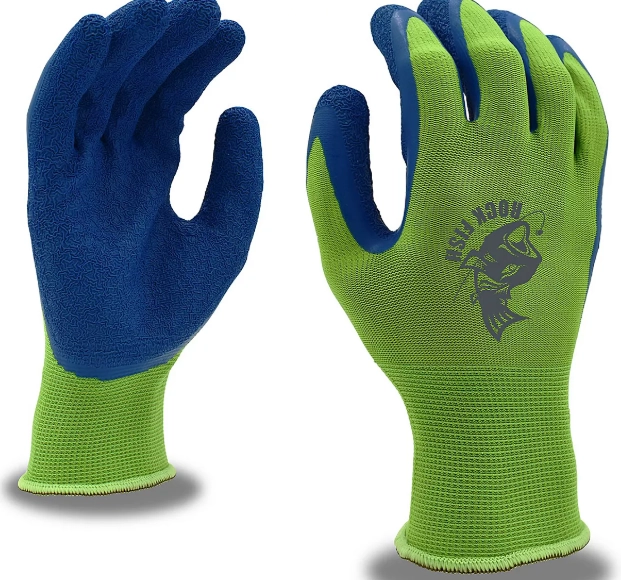
Tackling Common Questions (And Some You Didn't Know to Ask)
Here are the things anglers really want to know, based on forums, conversations on the dock, and my own head-scratching moments.
Can fishing gloves really prevent a hook injury?
They can significantly reduce the risk, but it's not absolute armor. A heavy, sharp hook driven with force can penetrate most fishing glove materials. However, gloves provide a crucial layer of defense against:
- Glancing blows: A hook bouncing off a fish's mouth or a snagged lure swinging back.
- Accidental pricks: When handling multiple hooks on a lure or trying to free a snag.
- Fish teeth and spines: Catfish barbs, bluefish teeth, etc.
Think of them like a seatbelt—not a guarantee against injury, but a vital safety measure that dramatically improves your odds. For safe fish handling techniques that complement your gear, the American Sportfishing Association has excellent guidelines.
How do I deal with the loss of feel?
This is the #1 complaint. You adapt. You learn to "feel" through the material. Modern, thin synthetics are surprisingly good. For ultra-fine work, use the hybrid styles (fold-back fingers) or develop a routine: glove on for casting and retrieving, left index finger exposed for feeling line during a retrieve, glove back on for landing and handling. It becomes second nature.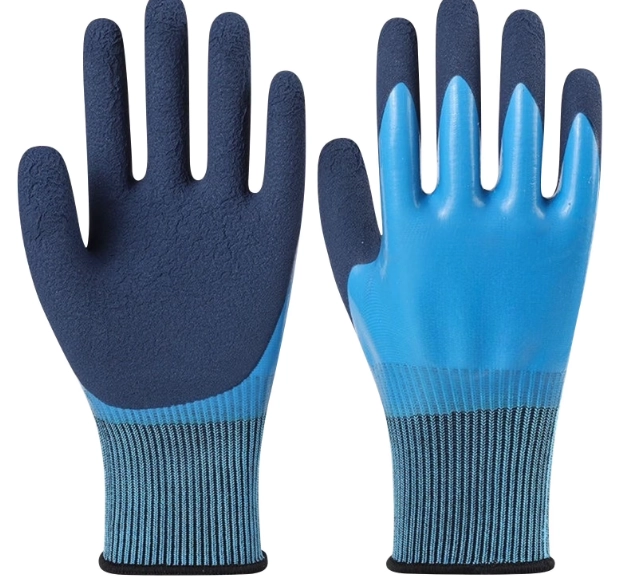
My hands sweat terribly in gloves. Any solutions?
Yes, this is a real problem, especially in warm weather. Solutions:
- Choose breathable materials: Mesh panels, lightweight nylon.
- Use glove liners: Thin, moisture-wicking silk or synthetic liners can be worn underneath. They absorb sweat, keep your skin drier, and make the glove easier to put on/take off.
- Take them off: When you're not actively fishing, fighting a fish, or handling gear, take them off and let your hands air out.
- Anti-perspirant: Some anglers apply a light layer of clinical-strength anti-perspirant to their hands before a trip. It sounds odd, but it works for some.
Are there "one-size-fits-all" fishing gloves that are actually good?
In my experience, no. A proper fit is too important for dexterity and comfort. A glove that's too baggy will create folds that cause blisters and ruin your grip. One that's too tight will restrict blood flow and be miserable. Spend the time to find your size. Measure your hand according to the brand's size chart—they're all slightly different.
The Unspoken Truth: What Nobody Tells You About Fishing Gloves
Beyond the specs and features, here's the real-world stuff.
They get smelly. Really smelly. Fish slime, sweat, bait, sunscreen—it all soaks in. Regular washing helps, but accept that they'll develop a certain... character.
You will lose one. It's a law of the universe. One will fall overboard, get left on the dock, or vanish into the black hole of your boat's storage compartment. It's why some brands sell singles. Not naming names, but I've sacrificed a left-handed glove to the fishing gods more than once.
The seams are the weak point. A glove can have the toughest palm material, but if the stitching on the seams is weak, it'll blow out there first. Check the quality of the stitching when you buy.
They change your connection to the fish. This is philosophical, but bear with me. When you land a fish bare-handed, you feel every shake, every pulse. With gloves, that sensation is muted. For some, that's a negative. For me, the trade-off for safety and being able to fish longer in comfort is worth it. The connection is still there, just different.
At the end of the day, the best fishing gloves are the ones you'll actually wear. They should address your specific fears (cold, hooks, sun) without getting in the way of your fun. Don't overthink it, but don't ignore it either. Try a few styles. See what works for your hands and your style of fishing.
Your hands are your most important tool out there. It's worth giving them a little armor.