Fishing Clothes Guide: How to Choose Gear for Every Condition
Wondering what to wear for your next fishing trip? This ultimate guide covers everything from sun protection to cold weather layering, helping you choose the right fishing clothes for comfort and safety.
Let's be honest. Most people think about the rod, the reel, and the lure. The clothes are an afterthought. You grab an old hoodie and some jeans, right? I used to do that. Then I spent eight hours on a lake in what I thought was a "water-resistant" jacket, shivering my way through a spring drizzle. My fingers were numb, my back was damp, and I hated every minute of what should have been a great day. That's when it clicked. Your fishing clothes aren't just fabric; they're your first and most important piece of gear.
Good fishing apparel is the difference between calling it a day at noon and happily casting until sunset. It's about comfort, safety, and even performance. But walk into a store or browse online, and the choices are overwhelming. UPF ratings, breathability, waterproof vs. water-resistant, layering systems... it's enough to make your head spin.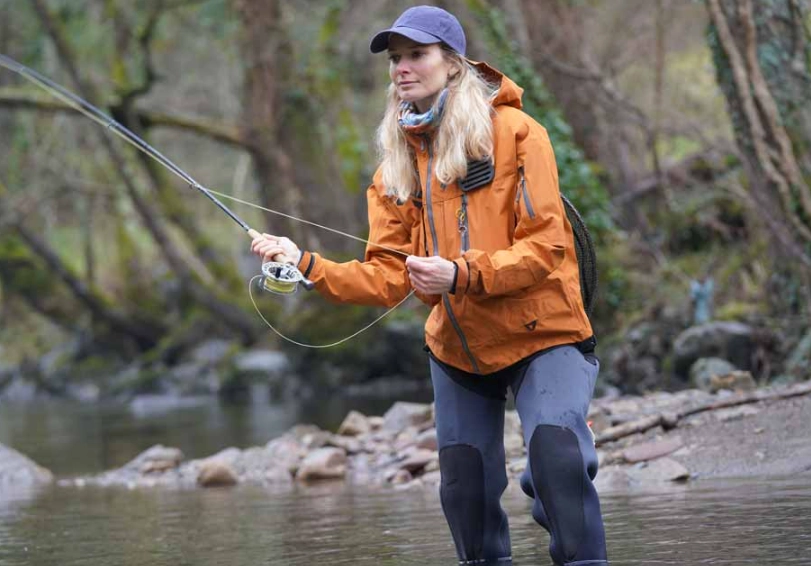
Why You Can't Afford to Wear Just Anything
Think about your typical fishing environment. You're exposed to the elements for hours. Sun, wind, water, sharp hooks, fish slime, boat surfaces. Your everyday clothes aren't built for that assault course.
Sun exposure is no joke. The reflection off the water can double your UV exposure. A regular cotton t-shirt might have a UPF (Ultraviolet Protection Factor) of only 5, meaning it lets through a lot of harmful rays. Proper fishing shirts and pants are woven tightly and often treated to offer UPF 30, 40, or even 50+ protection. The Skin Cancer Foundation has great resources on why sun-protective clothing is a smart choice for anyone spending extended time outdoors.
Then there's moisture. Cotton is famous for absorbing water and holding it against your skin. Get splashed or sweat in a cotton tee, and you'll stay wet and cold. Modern synthetic fabrics or smart wool blends wick moisture away, keeping you dry. And if you're fishing in cool or cold weather, staying dry is the absolute key to staying warm.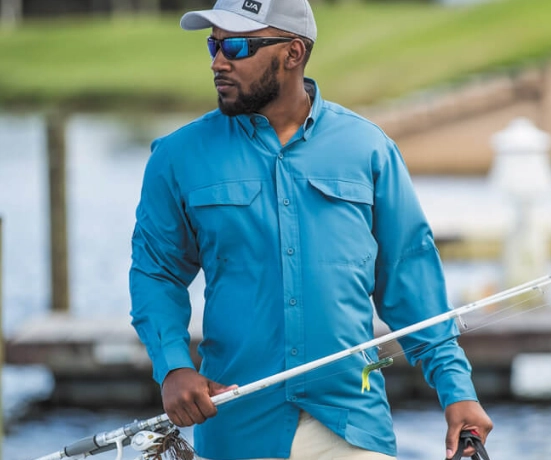
Breaking Down Your Fishing Wardrobe by Scenario
There's no single "best" outfit. What you wear ice fishing in Minnesota is useless for flats fishing in Florida. Let's break it down by the conditions you'll face.
Hot & Sunny Weather Fishing Clothes
This is where most of us fish. The goal here is sun protection, cooling, and quick drying.
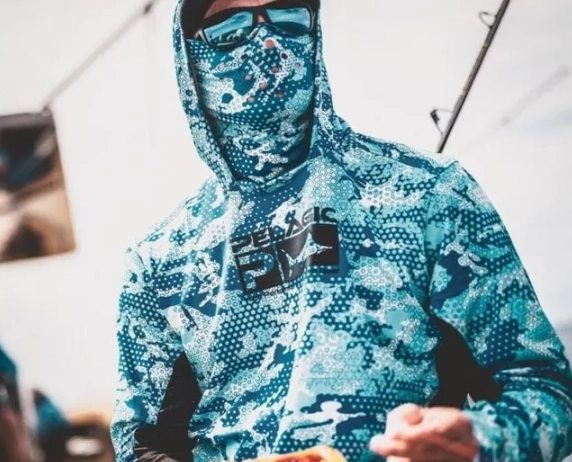
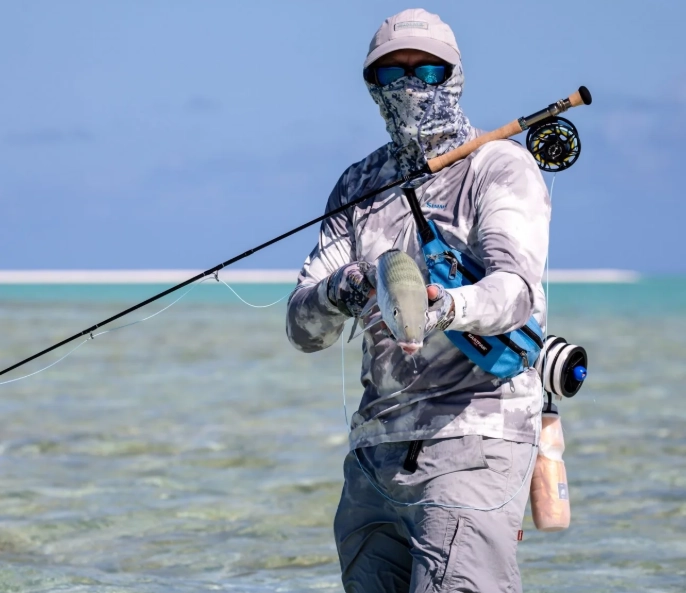
- The Shirt: Look for a long-sleeve, lightweight fishing shirt. Yes, long sleeves in the heat. It sounds counterintuitive, but a good one feels cooler than a sunburned arm. Key features: high UPF rating (look for 30+), mesh venting under the arms or down the back, and a vented back. A lot of them have a built-in neck gaiter you can pull up for extra face protection. I'm partial to button-ups because you can regulate airflow, but performance polos work too.
- The Pants/Shorts: Convertible pants are a godsend. Start with them as pants in the cool morning, zip off the legs when it heats up. They should be quick-dry, have a UPF rating, and offer some stretch for mobility. Plenty of pockets are a bonus, but watch for bulk. For pure shorts, make sure they're quick-dry and have secure pockets. Nobody wants their phone or pliers taking a swim.
- Head & Hands: A wide-brimmed hat is non-negotiable. A baseball cap leaves your neck and ears exposed. Get one with a dark under-brim to cut glare off the water. Polarized sunglasses are part of your clothing system—they save your eyes and let you see fish. Fingerless sun gloves might look silly, but your hands age faster than any other part of your body from sun exposure. Trust me on this one.
Wet & Rainy Weather Gear
Here's where you separate the casuals from the dedicated. Being waterproof is the easy part. Being waterproof and breathable is the trick.
- The Jacket: You need a dedicated waterproof fishing jacket. Not a rain poncho, not a hardware store special. Look for sealed seams (the stitching is taped over inside) and waterproof zippers. The magic is in the membrane technology, like GORE-TEX or similar proprietary brands. These allow sweat vapor to escape while blocking rain from entering. It's expensive, but if you fish in the rain often, it's worth every penny. Features like oversized armholes for casting, a longer cut in the back, and a storm hood that fits over a hat are key.
- The Bibs/Pants: If you're in a boat, especially in rough water, rain pants might not cut it. Chest-high bibs keep water from running down your jacket and into your waistline. Look for the same features as the jacket: breathable waterproof membrane, sealed seams, and reinforced knees/seats.
- Footwear: Neoprene booties, waterproof socks inside your usual boots, or dedicated rubber fishing boots. Wet feet ruin a day faster than anything.
Cold Weather & Layering System
This is a science. The goal is to trap warm air without trapping sweat. Cotton is the enemy here. You need a three-layer system.
1. Base Layer (Moisture Management): This sits against your skin. Its job is to pull sweat away. Merino wool is fantastic—it wicks, insulates even when damp, and doesn't hold odors. Synthetic materials like polyester workhorses are also great and often cheaper. Avoid cotton at all costs.
2. Mid Layer (Insulation): This traps the warm air. Fleece jackets, down vests, or synthetic insulated jackets (like PrimaLoft). Down is incredibly warm for its weight but loses all insulation value when wet. For fishing, synthetic insulation is often the safer bet. A good mid-layer should be easy to take on and off as you heat up or cool down.
3. Outer Layer (Shell/Protection): This is your shield from wind, rain, and spray. It's the waterproof and windproof jacket and bibs from the section above. It should be roomy enough to fit over your other layers without restricting movement.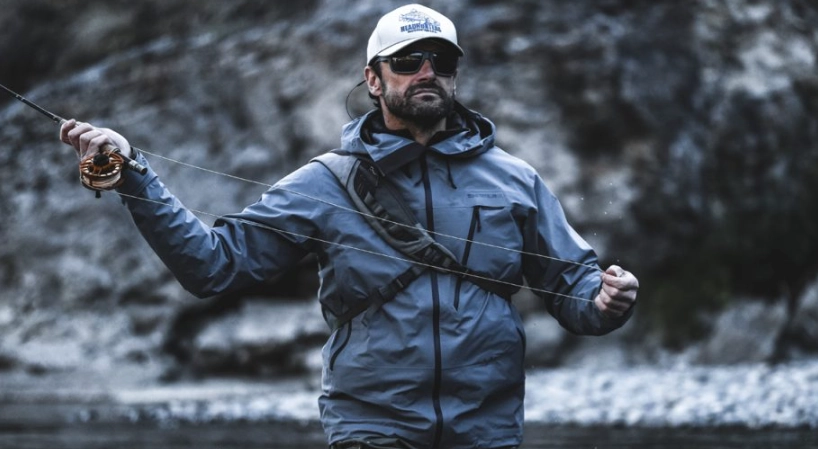
The Material Science: What Your Fishing Clothes Are Actually Made Of
It helps to know what you're buying. Here's a quick rundown of the common fabrics you'll see.
| Material | Best For | Pros | Cons | My Take |
|---|---|---|---|---|
| Polyester/Nylon (Synthetic) | Shirts, pants, base layers, rain shells | Durable, quick-drying, affordable, good wicking. | Can hold odors, not as soft as natural fibers, can feel clammy. | The workhorse. For most fishing shirts and pants, it's perfect. Look for blended fabrics for better feel. |
| Merino Wool | Base layers, socks, light mid-layers | Excellent temperature regulation, wicks well, insulates when wet, naturally odor-resistant. | More expensive, less durable (can pill), requires careful washing. | My go-to for cold weather base layers. Worth the investment if you fish in the cold regularly. |
| GORE-TEX (ePTFE Membrane) | Waterproof jackets, bibs, gloves | Gold standard for waterproof breathability. Extremely durable and reliable. | Very expensive. Requires proper care (cleaning) to maintain performance. | If your livelihood depends on being on the water in bad weather, it's worth it. For occasional rain, a cheaper proprietary membrane might suffice. |
| Fleece (Polyester) | Mid-layer insulation | Lightweight, warm, breathable, dries quickly, affordable. | Not windproof, can pill over time, not very water-resistant. | The perfect active mid-layer. A fleece vest is one of the most versatile pieces of fishing apparel you can own. |
| Cotton | N/A | Cheap, comfortable when dry. | Absorbs and holds water, dries slowly, loses insulation when wet, promotes chafing. | Avoid for active fishing. Fine for the ride to the lake, but change before you start fishing. |
Features That Actually Matter (And Some That Don't)
Brands love to add bells and whistles. Here's what to look for and what to ignore.
- Must-Haves:
- Sealed Seams: On waterproof gear, this is critical. If the seams aren't taped, water will get in.
- Venting: Pit zips on a jacket, mesh-backed vents on a shirt. Crucial for temperature control.
- Reinforcement: Reinforced knees, seat, and cuffs on pants. Fishing is tough on clothes.
- Secure Pockets: Zippered or with sturdy flaps. Angled chest pockets are great for quick access to tools.
- D-Ring or Lanyard Loops: For clipping on tools, pliers, or a fishing license.
- Nice-to-Haves:
- Magnetic Pocket Closures: Easier than zippers with cold fingers.
- Rod Holder Patch: A reinforced patch on the front of a jacket or bibs to rest your rod butt.
- Integrated Hood Storage: A pocket that stuffs the hood into it. Keeps it tidy when not in use.
- Mostly Marketing:
- "Bug Repellent" Infused Fabric: It washes out after a few cycles. Just use spray.
- Excessive Number of Pockets: If you can't remember what's in pocket #12, you have too many.
- Overly Complex "Camo" Patterns: For most fishing, a simple, solid, or subtle pattern is more versatile. Fish don't care about your camo.
A Quick Look at Top Brands (And My Honest Opinions)
You get what you pay for, but sometimes you pay for the name. Here's a rundown.
- Simms: The gold standard, especially for waders and cold-weather gear. Incredible quality, perfect seams, brilliant design. Also, incredibly expensive. For a hardcore guide or someone who fishes 100+ days a year, it's justifiable. For a weekend warrior, it might be overkill.
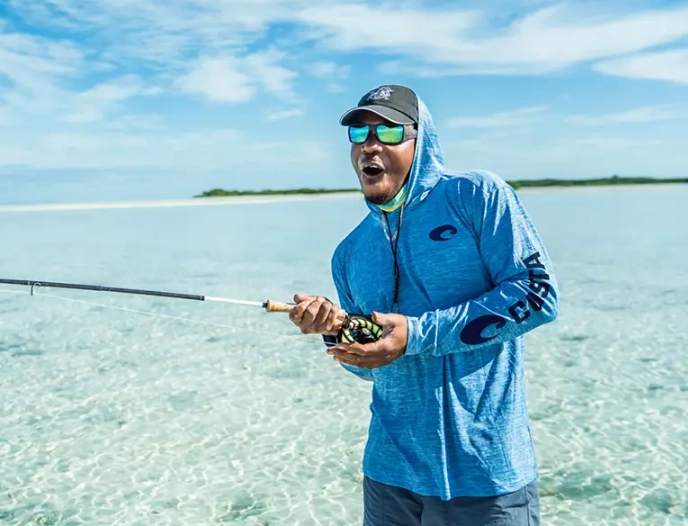
- Columbia PFG (Performance Fishing Gear): The king of accessible, hot-weather fishing clothes. Their shirts are everywhere for a reason—they work, they have great UPF, and they're reasonably priced. I find their sizing can be a bit boxy, and some of the fabrics feel a bit less premium, but you cannot beat the value.
- Huk: Trendy, great patterns, popular with the tournament bass crowd. Their stuff is performance-oriented and often has innovative features. Can lean into the "loud" aesthetic, which isn't for everyone. Quality is generally very good.
- Grundéns: Born in the commercial fishing world. If you need gear that can survive an absolute beating in the worst weather (think offshore, Pacific Northwest), this is it. It's not always the most stylish or lightweight, but it is brutally durable.
- Patagonia (Sublimated Fishing Line): Expensive, but with a strong focus on sustainability and ethical manufacturing. Their technical pieces, like their rain shells and insulated layers, are top-tier. Their fishing-specific line is smaller but well-thought-out. You're paying for the ethos as much as the product.
Sustainability in Fishing Apparel: It's Becoming a Thing
This matters more now. A lot of performance gear uses PFCs (perfluorinated chemicals) for durable water repellency (DWR), which are environmental pollutants. Brands are moving to PFC-free DWR treatments. Recycled materials (like polyester made from plastic bottles) are common now. Patagonia leads here, but others are following. It's worth checking a brand's website for their environmental stance if that's important to you. The EPA has information on PFAS (which includes some PFCs) if you want to dive deeper into the science.
Common Questions About Fishing Clothes (Answered)
Q: Are expensive fishing shirts really that much better than a cheap long-sleeve hiking shirt?
A: Often, yes. The fishing-specific ones usually have better-placed vents, more durable fabric in high-wear areas (like where a pack strap might rub), and features like built-in neck gaiters or better pocket layouts for tools. A hiking shirt is a good start, but a dedicated fishing shirt is optimized for the task.
Q: How do I wash my technical fishing clothes to make them last?
A: This is huge. Never use fabric softener or dryer sheets—they coat the fibers and ruin wicking and breathability. Use a technical sport wash detergent (like Nikwax Tech Wash or Grangers). Wash on gentle, cold water. Tumble dry on low heat to reactivate DWR coatings, or hang dry. Always check the label first!
Q: Can I just wear my chest waders all day instead of getting separate rain gear?
A: You can, but you'll likely be uncomfortable. Waders are not very breathable compared to a good rain jacket and bibs. They're designed for being in water, not for walking around in the rain. For boat fishing or bank fishing in the rain, proper rain fishing clothes are a better choice for comfort.
Q: What's the one piece of fishing apparel I shouldn't skimp on?
A: If you fish in variable or cold weather, it's your outer shell jacket. A cheap one will leave you wet from the outside (rain) or the inside (sweat). Investing in a truly waterproof-breathable jacket with good vents changes everything.
Putting It All Together: Building Your Kit
Don't try to buy it all at once. Start with your most common fishing condition.
For the beginner / fair-weather angler: Get one good long-sleeve UPF fishing shirt, a pair of quick-dry convertible pants, a wide-brim hat, and polarized sunglasses. That's your foundation.
Leveling up: Add a quality waterproof-breathable jacket. Then, build a simple layering system for cooler days: a synthetic base layer top, a fleece vest or jacket, and some thermal leggings.
Going all-in: Add dedicated rain bibs, a high-end insulated jacket for cold, merino wool base layers, and specialized items like wading boots or insulated gloves.
Look, at the end of the day, the best fishing clothes are the ones that make you forget you're wearing them. You're not thinking about being cold, wet, or sunburned. You're thinking about the next cast, the subtle tap on the line, the bend in the rod. You're comfortable, protected, and focused on the fishing. That's the whole point. Start with one good piece, and build from there. Your future self, warm and dry (or cool and protected) on the water, will thank you.