The Ultimate Guide to Fishing Hooks: Types, Sizes, and How to Pick the Right One
Confused by the endless choices in fishing hooks? This ultimate guide breaks down everything from hook types and sizes to sharpening and rigging. Learn how to select the perfect fishing hook for any species and situation, and stop losing fish.
Let's be real for a second. How much time do you spend thinking about your fishing hooks? If you're like I used to be, the answer is probably "not enough." You grab a pack that looks about right, tie it on, and hope for the best. I did that for years. Then I had a day on the water that changed everything. I missed strike after strike on my favorite lure. A buddy leaned over, handed me a single hook from his box, and said, "Try this." It was a different style, a slightly different size. Bam. Next cast, fish on. It wasn't magic. It was just the right tool for the job.
That's what this is all about. Moving from guesswork to knowledge. A fishing hook is the single point of contact between you and the fish. Get it wrong, and nothing else matters—not your fancy rod, not your expensive reel, not the perfect bait. The fish gets a free meal and a story about the one that got away. Get it right, and you're in control.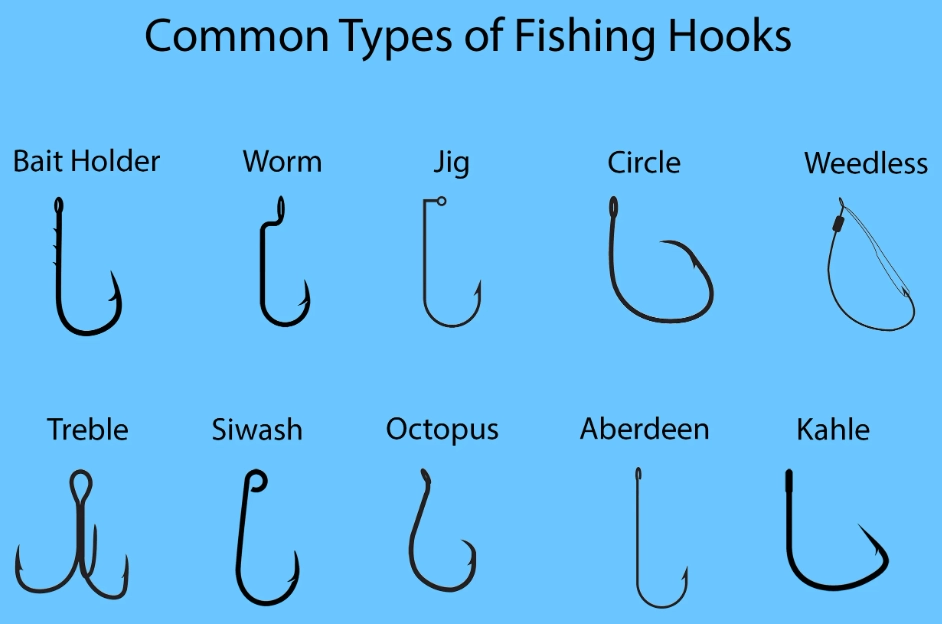
It's time to stop treating hooks as an afterthought.
Part 1: The Fishing Hook Family Tree – Making Sense of the Shapes
Walk into any tackle shop, and the wall of fishing hooks can be overwhelming. J-hooks, circle hooks, treble hooks, offsets, wide gaps, extra wide gaps... it's enough to make your head spin. But each design exists for a reason. It's not just marketing. The shape of a hook determines how it sets, how it holds, and what kind of bait it works best with.
I like to think of them in families. Some are aggressive, some are patient, and some are specialists.
The Classic: J-Hooks
This is your grandfather's hook, and it's still incredibly effective. It looks like the letter "J." Simple. The point is generally in line with the shank, and it requires a firm hook-set—a sharp upward jerk of the rod to drive the point home. They're versatile and work with all kinds of bait, from worms to minnows to cut bait.
But here's the catch (pun intended): that aggressive hook-set can sometimes lead to gut-hooking, especially if a fish swallows the bait. For catch-and-release, that's a problem. I've switched away from J-hooks for most live bait applications because of this. The frustration of trying to safely remove a deeply hooked J-hook from a fish you want to release is real.
The Modern Problem-Solver: Circle Hooks
Circle hooks have revolutionized live bait fishing, especially for species like catfish, stripers, and in saltwater. The point is turned sharply inward toward the shank, forming more of a circular shape. The magic is in how they work. You do NOT set the hook. I repeat, do not jerk.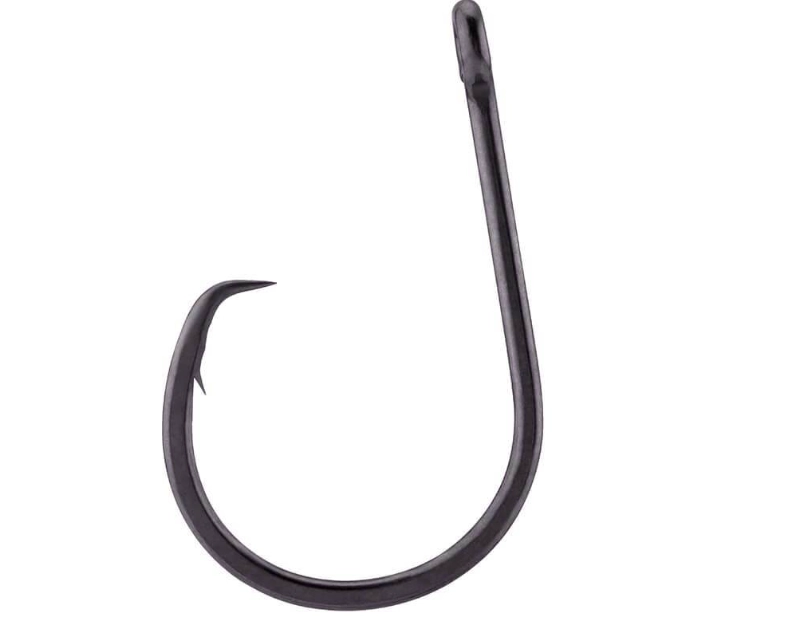
You let the fish take the bait, start swimming away, and apply steady pressure. The hook slides to the corner of the fish's mouth and sets itself. It's almost always a perfect lip hook-up. The first time you use one, it feels wrong not to jerk. But trust the process. It results in far higher survival rates for released fish. The NOAA Fisheries actually recommends circle hooks in many fisheries to reduce bycatch mortality. That's a pretty strong endorsement.
The Specialist: Treble Hooks
Three points are better than one, right? Often, yes. Treble hooks are the standard on most crankbaits, topwaters, and inline spinners. They increase your chances of connecting with a short-striking or slashing fish. But they're a nightmare to handle, both for you and the fish. They tangle in nets, they grab clothing, and they can do a lot of damage to a fish's mouth if not handled carefully.
Many serious lure anglers are moving to replace trebles with single inline hooks or sticky-sharp singles for easier release and less snagging. It's a trade-off between hook-up percentage and fish handling. For a topwater frog in heavy slop, I want the trebles. For a crankbait I'm throwing for bass I plan to release, I often swap them out.
The Gap Crew: Wide Gap, Extra Wide Gap, Offset Shank
This is where things get interesting for soft plastic enthusiasts. A "gap" is the distance between the point and the shank. A wider gap allows for thicker plastic baits (like big creature baits or thick worms) to be rigged without pinching the hook point and preventing a good penetration.
An offset shank has a bend in it, which helps the hook sit straight in a Texas-rigged worm, keeping it weedless. The Owner Offset Worm Hook or the Gamakatsu EWG (Extra Wide Gap) are icons in the bass fishing world. Choosing the right gap and shank style is critical for presenting soft plastics effectively.
See what I mean? Each type has a personality. Picking the right fishing hook starts with understanding this basic family tree.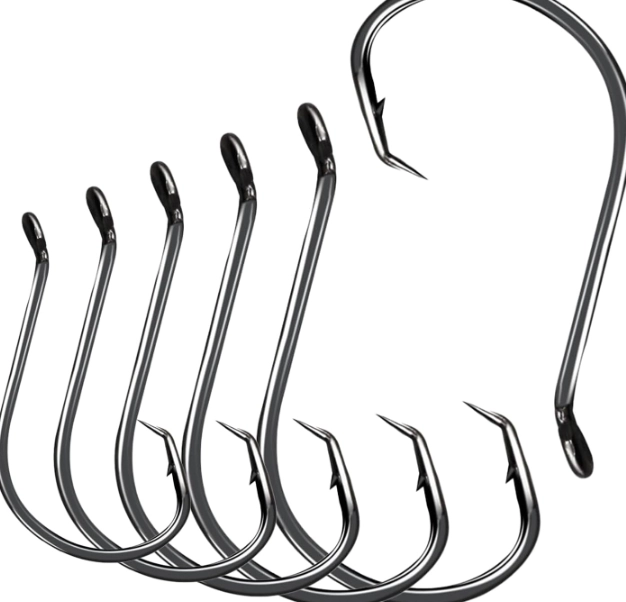
| Hook Type | Best For | Hook-Set Style | Ideal Bait/Lure |
|---|---|---|---|
| J-Hook | Versatile fishing, cut bait, artificial lures | Aggressive, sharp jerk | Worms, minnows, crankbaits (replacement), cut bait |
| Circle Hook | Live bait, catch-and-release | NO jerk. Let fish load the rod. | Live shiners, shad, squid, dead bait |
| Treble Hook | Lure fishing for short-strikers | Moderate sweep | Crankbaits, topwaters, spoons, spinners |
| EWG/Offset Hook | Weedless soft plastic rigs | Firm, sweeping hook-set | Plastic worms, creature baits, craws |
Part 2: Cracking the Code – Hook Sizes and Strength
Okay, so you've picked a style. Now, what size? This is the second layer of confusion. Hook sizes are backwards. A size 1 hook is larger than a size 6 hook. And once you get past 1, it switches to aught sizes: 1/0 (pronounced "one-aught") is bigger than 1, 2/0 is bigger than 1/0, and so on. Why? Nobody knows. It's just one of those fishing traditions we're stuck with.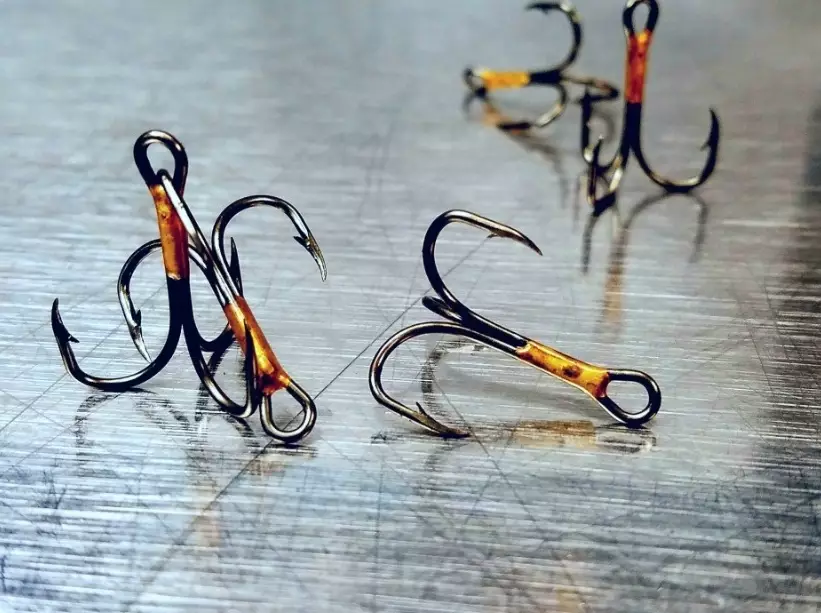
But size isn't just about the physical dimensions. It's about matching the hook to the bait and the fish's mouth. A tiny size 10 hook is perfect for a small trout fly or a piece of corn for panfish. A massive 10/0 circle hook is built for a big striped bass or a tuna with a chunk of mackerel.
A hook that's too big will look unnatural and may prevent the fish from taking the bait. A hook that's too small may not get a solid hold or could straighten out.
Then there's wire thickness and strength. This is where brand reputation matters. A hook's "strength" isn't just about how thick the wire is. It's about the quality of the steel and the tempering process. A cheap, thick-wire hook might be strong but also brittle. A high-quality, thin-wire hook from a brand like Gamakatsu or Owner can be incredibly strong for its diameter, allowing for better penetration. Thin wire is great for small, sharp-toothed fish like trout. Thick wire is needed for fish with hard, bony mouths like tarpon or for preventing big catfish from straightening your gear.
Part 3: The Decision Matrix – Choosing Your Hook in the Real World
Let's get practical. You're standing by the water. How do you put this all together? Don't overcomplicate it. Start with the fish and the bait.
- Panfish (Bluegill, Crappie): You want a small, thin-wire hook for good penetration with their softer mouths. A size 6 or 8 Aberdeen-style J-hook is a classic for a worm under a bobber. For crappie jigs, a light-wire hook in the 1/16 oz to 1/8 oz range is key for the jig's subtle action.
- Trout: Similar to panfish—thin wire is your friend. For powerbait or worms, a size 10 or 12 bait holder hook. For flies, the hook is integrated, but focus on sharpness. A dull fly hook is a crime.
- Bass: This is where your hook arsenal expands. For Texas-rigged plastics, an Extra Wide Gap (EWG) hook is the go-to. Size 3/0 or 4/0 covers most worms and creatures. For flipping heavy cover, a straight shank heavy-duty hook (like a flipping hook) provides more power. For topwater frogs, the stock trebles are fine, but sharpen them!
- Catfish: Circle hooks rule here. For channels and blues eating cut bait, a 5/0 to 7/0 circle hook is a great starting point. For bigger flatheads with live bait, you might jump to 8/0 or 9/0. The Berkley Catfish Quik-Set or similar styles are popular for a reason.
- Walleye: Live bait rigging often uses a plain hook or a baitholder hook in sizes 4 to 1/0, depending on the minnow or leech. For jigging, a sharp, light-wire jig hook is critical for feeling light bites.
The bait dictates the style. A thick plastic craw demands a wide gap. A live minnow swims best on a light wire hook or a treble hook used in a live bait rig. A piece of shrimp for saltwater species might go on a medium-wire J-hook or a circle hook.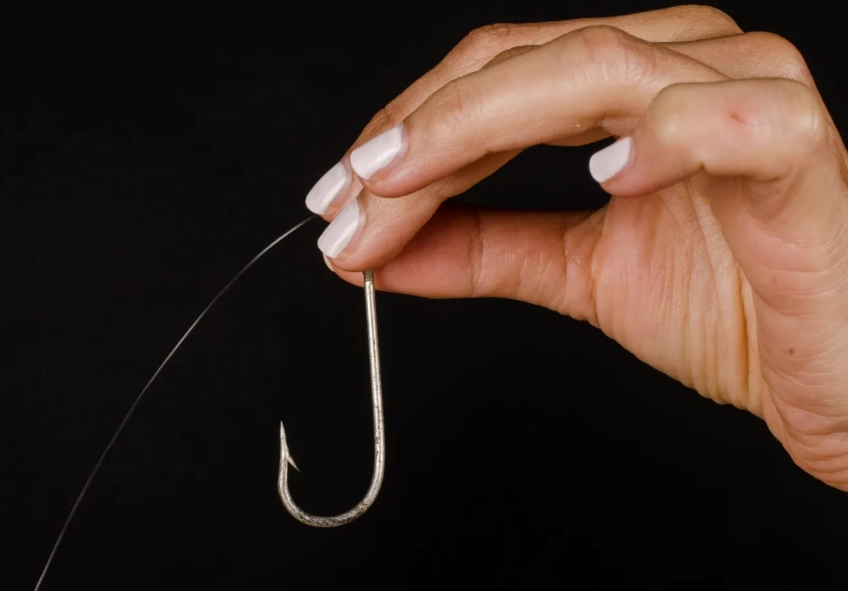
Part 4: The Secret Weapon – Hook Sharpness is Everything
This might be the most important section in this entire guide. A dull hook will cost you more fish than any other piece of gear. I don't care if you buy the most expensive fishing hooks on the planet; if they're not sharp, they're junk.
How sharp is sharp? It should catch on your fingernail with barely any pressure. Drag the point across your thumbnail. If it slides, it's dull. If it digs in and sticks, it's sharp. Do this check every time you tie on a new hook, and periodically throughout the day, especially if you've bounced it off rocks or wood.
Sharpening hooks is a non-negotiable skill. A small diamond-coated sharpener or a fine-grit ceramic stone should live in your tackle box. The goal isn't to reshape the hook, just to restore a needle-sharp point. Use gentle strokes, following the existing angle of the point. A few strokes on each side is usually enough.
I've seen guys with $500 reels using hooks so dull you could lean on them. It makes no sense. A razor-sharp hook on a cheap rod will outperform a dull hook on the finest gear every single time. This isn't just some old angler's tale; it's a fact.
Part 5: Keeping Your Hooks Happy – Maintenance and Storage
Rust is the enemy. Saltwater is the ultimate test, but even freshwater hooks can corrode over time, especially if stored wet. That little film of water inside a plastic box after a rainy day will quietly ruin your hooks.
- Dry Them: After a trip, especially a saltwater one, open your boxes and let everything air dry completely.
- Use Inhibitors: Toss a small silica gel desiccant packet into each hook box to absorb moisture.
- Organize: Keep hooks in their original packages or in clear, compartmentalized boxes. Nothing ruins sharpness faster than a pile of loose hooks rattling around together.
- Inspect: Before a trip, do a quick visual check. Toss any with significant rust or a compromised point.
A little care makes your hooks last multiple seasons, which is good for your wallet and ensures you always have a sharp hook ready to go.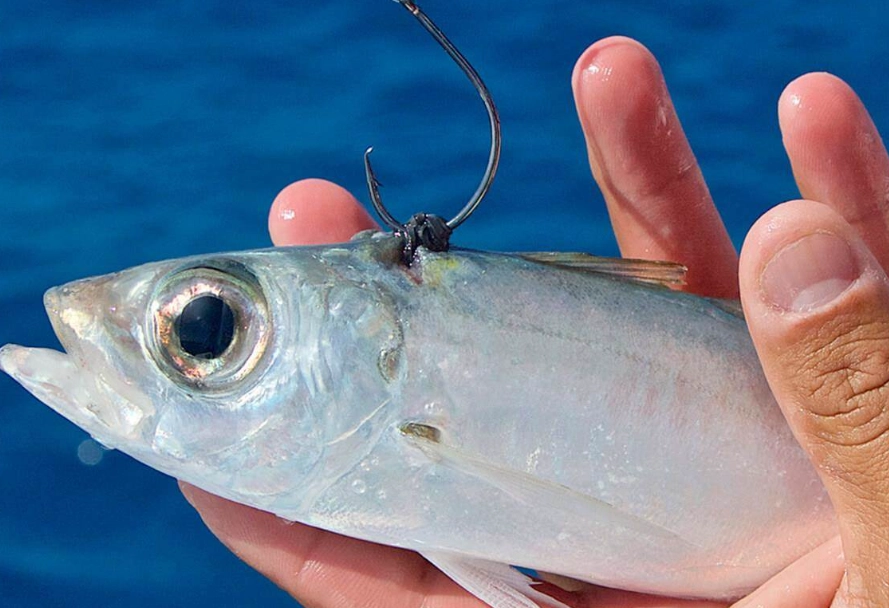
Part 6: Your Fishing Hook Questions, Answered
Let's tackle some of the common things anglers search for but don't always find clear answers on.
Are barbless hooks better?
For catch-and-release, absolutely. A barbless hook slides out with minimal damage. It's also much easier and safer to remove from your own skin (we've all been there). The trade-off is you must maintain constant pressure on the fish. If you go slack, the hook can fall out more easily. In many places, barbless hooks are required by law. Even where they're not, using them is a sign of a conscientious angler. You can easily crush the barb on a standard hook with a pair of pliers.
Does hook color matter?
Sometimes. In clear water, a less visible hook (like black, bronze, or red—which can look like a blood trail) might get you more bites from finicky fish. In stained or muddy water, it probably doesn't matter at all. For lures, the hook is often part of the presentation. A gold treble on a chrome spoon adds flash. I don't lose sleep over color, but I do tend to use black or dark hooks for finesse presentations.
How many times can I reuse a hook?
Until it's dull, rusty, or bent. A hook that has cleanly landed a fish and is still sharp is perfectly fine to reuse. I've used the same circle hook to catch multiple catfish in a session. Just check the point and the bend for integrity.
What's the deal with "forged" vs. "stamped" hooks?
Forged hooks are made from a single piece of steel that is heated and pounded into shape. This process aligns the grain of the metal, making it stronger and less likely to straighten under pressure. Stamped hooks are cut from a sheet of steel and then bent. Forged hooks are generally stronger and are preferred for big game or heavy-structure fishing where brute strength is needed. For most freshwater applications, a quality stamped hook is more than sufficient. Brands like Mustad are famous for their forged hooks.
Why did my hook straighten?
Three main reasons: 1) The hook was too light for the fish (wrong wire thickness). 2) The hook was of poor quality metal. 3) Your drag was set too tight, putting all the pressure on the hook instead of the drag system. A properly set drag should slip before your line breaks or your hook bends.
The right hook connects effort to result. It's the final, critical link.
So next time you're getting ready to fish, don't just grab any hook. Think about it for a minute. What am I fishing for? What bait am I using? What's the bottom like? Match your hook to the mission. Keep them sharp, keep them organized, and understand why you're using what you're using.
That simple shift in attention—from afterthought to first thought—will put more fish in the net and on the line. I promise. Now go check the points on the hooks in your box. I'll wait.