Fishing Regulations Explained: Your Ultimate Guide to Rules, Limits & Licenses
Are you confused by fishing regulations? This complete guide breaks down everything you need to know about licenses, seasons, size limits, and daily catch rules to keep you fishing legally and responsibly.
Let's be honest. When you're excited to hit the water, the last thing you want to do is wade through a 50-page PDF of legal jargon about fishing regulations. I get it. I've been there, staring at the screen, thinking "I just want to know if I can keep this bass."
But here's the thing I learned the hard way. Ignoring those rules isn't just about risking a fine—though that's bad enough. It's about the fish. It's about making sure our kids can enjoy the same lakes and rivers we do. It's about not being that guy who takes more than his share.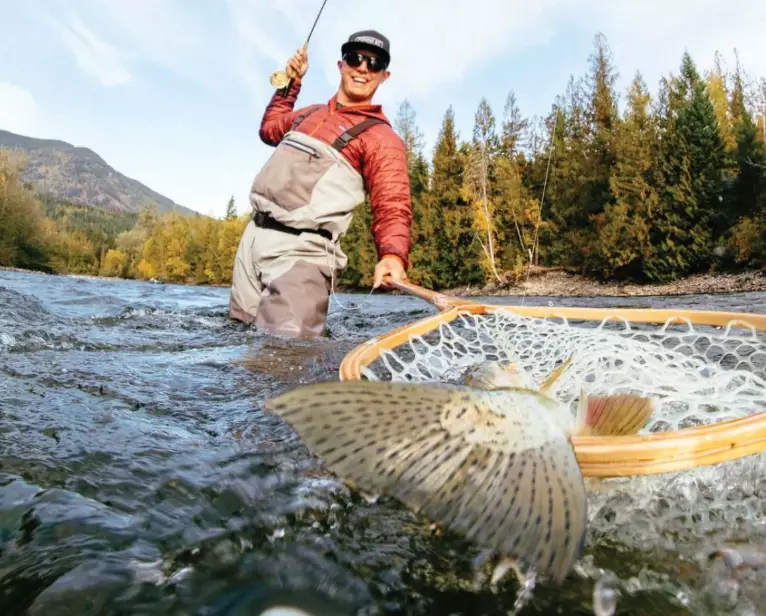
So, I decided to untangle the mess. This guide is what I wish I had when I started. It's not the official law—always double-check with your local agency—but it's a plain-English map to help you navigate the world of fishing rules without the headache.
Why Do Fishing Regulations Even Exist? (It's Not Just to Annoy You)
I used to think it was just bureaucracy. More rules for the sake of rules. Then I spent a season volunteering with a fish stocking crew and saw the other side. Those fishing regulations have a job to do.
Think of a popular lake as a shared bank account. Everyone wants to make a withdrawal (catch a fish). If there are no rules on how much anyone can take, the account gets drained fast. The big, breeding fish go first. Then the population crashes. Nobody wins.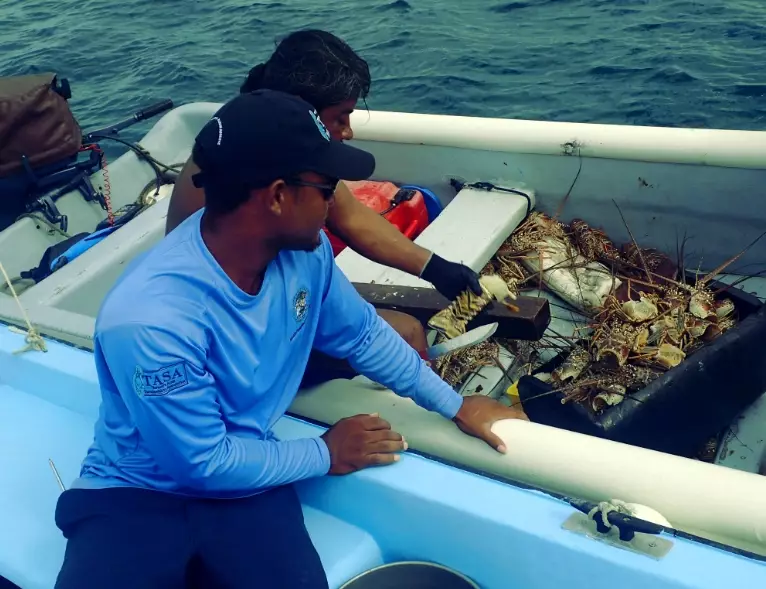
That's the core idea. These rules are a conservation tool, not a punishment. They're designed to:
- Prevent Overfishing: This is the big one. Limits on how many fish you can keep ("bag limits" or "creel limits") ensure enough fish survive to reproduce.
- Protect Breeding Stocks: Size limits often let the smaller, younger fish go so they can grow up and have babies. Sometimes, there's a "slot limit"—you can only keep fish between a certain size, protecting both the big breeders and the young.
- Manage Specific Species: Some fish are more vulnerable than others. Regulations for, say, trout are usually stricter than for panfish like bluegill.
- Control Invasive Species: Here, the rules sometimes flip. For an invasive fish like the northern snakehead, the regulation might be "Catch and DO NOT release." No limit, kill it on sight.
- Fund Conservation: This is huge. The money from your fishing license? It directly funds hatcheries, habitat restoration, research, and conservation officer salaries. You're literally paying to keep fishing alive.
It's a system. A flawed one sometimes, sure. But a system that, when anglers follow it, actually works.
The Core Components of Fishing Regulations: Breaking Down the Jargon
Alright, let's get into the nuts and bolts. When you look up the fishing regulations for your state, you'll see a few key terms over and over. Here’s what they actually mean for you on the water.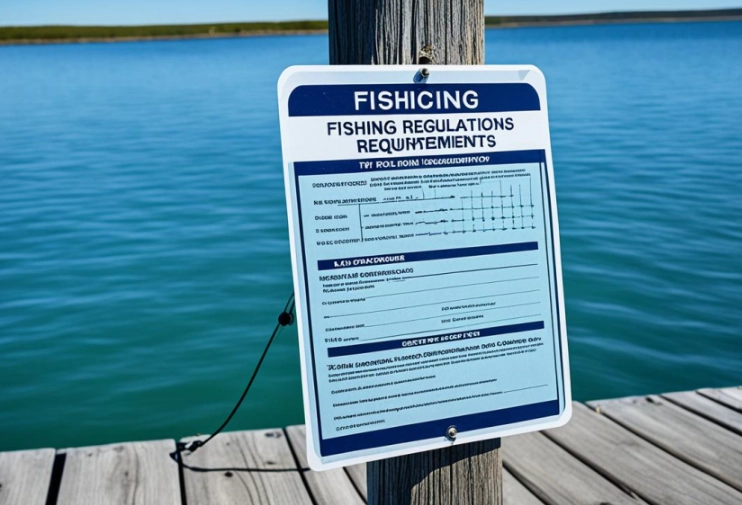
1. The Fishing License: Your Golden Ticket
This is non-negotiable. You need one. The types can be confusing:
- Resident vs. Non-Resident: Usually cheaper if you live in the state. Proof of residency (like a driver's license) is required.
- Annual, Short-Term, Lifetime: For vacationers, a 3-day or 7-day license is a lifesaver. Lifetimes are a great investment if you plan to fish that state forever.
- Special Permits/Stamps: This is where it gets tricky. You might need a basic license plus a "trout stamp" to fish for trout, or a "salmon stamp" for salmon. Or a "second rod stamp" to use two poles. Read the fine print.
Where to buy? Almost always online from the state's fish and wildlife department website, or at tackle shops, sporting goods stores, and sometimes even Walmart.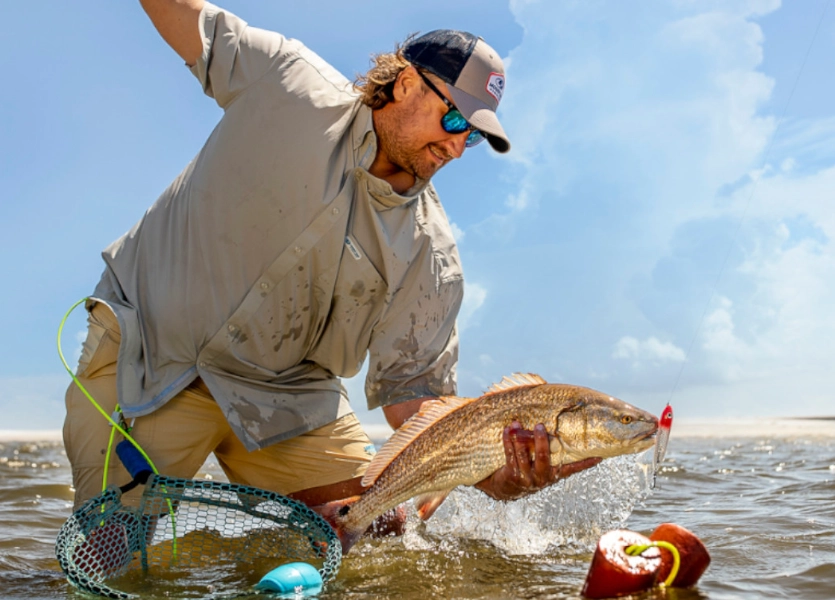
2. Seasons and Open/Closed Waters
Not all water is open all year. This is a classic trap.
- General Season: Most lakes and rivers might be open year-round.
- Special Seasons: Specific streams, especially trout streams, often have strict opening and closing dates (e.g., "Last Saturday in April through October 31st"). Fish outside that window, and you're breaking the law.
- Closed Waters: Some areas are permanently closed to fishing to protect sensitive habitats or spawning grounds. These are usually marked, but not always. Check the map.
I once drove two hours to a stream I'd read about, only to find a small sign saying it was closed for the season. A five-minute check of the U.S. Fish & Wildlife Service site or my state's booklet would have saved me the trip.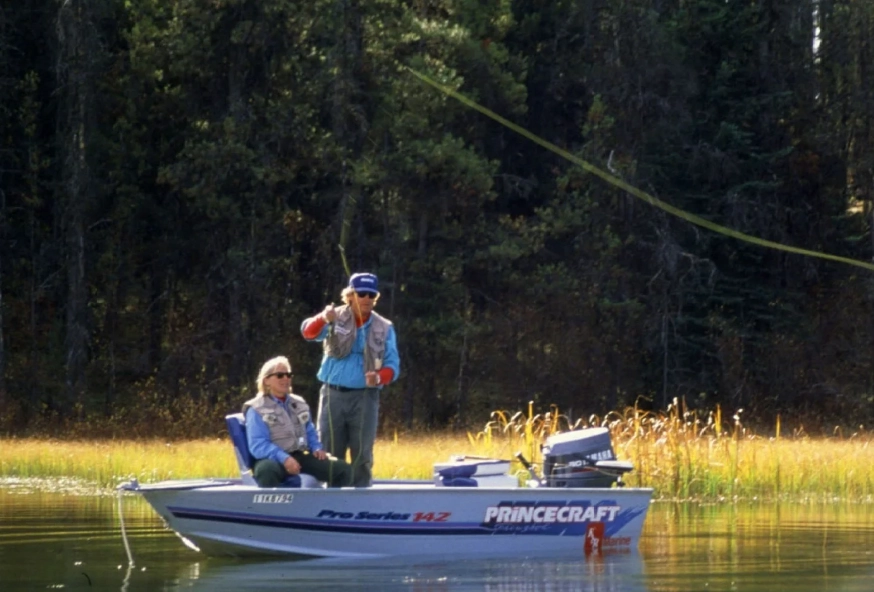
3. Bag Limits and Possession Limits: Know the Difference
This trips up a lot of people, and it's important.
| Term | What It Means | Example |
|---|---|---|
| Daily Bag Limit | Max number of a fish species you can keep in a single day. | "5 trout per day." Catch 5, you're done keeping trout for that calendar day. |
| Possession Limit | Max number you can have with you (alive, dead, in storage) at any one time. | "Possession limit: 10 trout." Even on a 3-day trip, you can never have more than 10 in your cooler/fridge. |
| Size Limit | Legal length a fish must be to keep. Can be minimum, maximum, or a slot. | "Bass: 14-inch minimum." Smaller than 14 inches? Gently release it. |
4. Gear and Method Restrictions
This is about how you fish. Rules can specify:
- Legal Fishing Methods: Fly-fishing only? Artificial lures only? No live bait? This is common on sensitive or catch-and-release waters.
- Hook Rules: Single, barbless hooks are often required on certain rivers to make release easier and safer for the fish.
- Number of Rods: Usually one rod per angler, unless you have that "second rod stamp."
- Use of Nets, Gaffs, etc.: Some tools are illegal in freshwater.
How to Actually Find and Understand YOUR Local Fishing Regulations
Okay, theory is over. Here's your action plan. Doing these steps will keep you safer than 90% of anglers out there.
Step 1: Identify the Managing Authority
For most freshwater in the USA, it's your state's Department of Natural Resources (DNR), Fish and Wildlife Department, or equivalent. For example, in California, it's the California Department of Fish and Wildlife. In Michigan, it's the Michigan DNR. A quick Google search for "[Your State] fishing regulations" will find it.
For some major waterways (like the Great Lakes) or endangered species, federal rules from the U.S. Fish & Wildlife Service may also apply. If you're fishing on tribal land, completely separate tribal fishing regulations govern—respect them.
Step 2: Get the Official Publication
Every state publishes an annual fishing regulations digest or booklet. Get the current year's version. Last year's rules are useless. You can download the PDF or pick up a paper copy. I do both—PDF for searching, paper for the boat.
Step 3: Use the Map and Species-Specific Tables
Don't try to read it cover-to-cover. Use the index or table of contents.
- Find Your Body of Water: Use the map or list of waters in the booklet.
- Note Any Special Rules: The map will have a code or name for that lake/river. Look up that code in the special rules section. This overrides the general state rules.
- Check General Rules: For anything not covered specially, fall back on the state's general regulations for that species.
Common Fishing Regulation Scenarios and Headaches (Solved)
Let's walk through some real-world questions I've had or heard a million times.
"What if I'm fishing from a boat on a border lake?"
Great question. If the lake is between two states (like the Mississippi River), you usually need a license from the state whose waters you are in when you catch the fish. Some states have reciprocity agreements. Do NOT assume. Check both states' rules. If you have a boat, you might need licenses for both.
"Do kids need a fishing license?"
Almost every state has a free or reduced-fee license for juveniles (age varies, often under 16). However, they are still bound by all other fishing regulations—bag limits, size limits, etc. Just because they're kids doesn't mean they can keep a dozen undersized fish.
"What about catch-and-release? Do I still need a license?"
Yes. A thousand times, yes. The license is for the act of fishing, not just for keeping fish. You need one even if you release everything.
"I caught a fish that's injured. Can I keep it if it's going to die anyway?"
Tricky, and a matter of ethics. Legally, if it doesn't meet the size or limit rules, you probably cannot keep it, even if it's bleeding. The intent of the law is to prevent people from "accidentally" injuring undersized fish to keep them. The ethical move is to release it and give it a chance. I've seen gut-hooked bass swim away.
"How are these fishing regulations even enforced?"
By Conservation Officers (Game Wardens). They have full law enforcement authority. They can check your license, your catch, your gear, and your vehicle. They often use binoculars, cameras, and even undercover operations on high-pressure waters. The fines can be steep, and they can confiscate your gear, your boat, and your catch. It's not worth the risk.
Beyond the Basics: Ethical Angling and Keeping Up with Changes
Following the written law is the bare minimum. Being a good angler means going a step further.
- Practice Proper Catch and Release: Use wet hands, don't keep fish out of water too long, use appropriate tackle to land fish quickly, and revive them fully before letting them go. A fish that floats away belly-up didn't survive.
- Respect Private Property: Just because you can fish a stream doesn't mean you can trespass on the land to get to it. Know public access points.
- Stay Informed: Fishing regulations aren't static. They change based on new data from fish population surveys. Subscribe to your state agency's newsletter or follow them on social media for updates. Public hearings on proposed rule changes are often held—you can even voice your opinion.
Look, I know this was a lot. Fishing is supposed to be fun, not a legal exam. But think of it this way: understanding these rules is like learning to read the water or tie a good knot. It's just another skill that makes you a better angler. A responsible one.
You'll have more confidence. You won't be nervously looking over your shoulder every time a boat passes. And you'll know you're doing your part.
Now go grab your state's rulebook, spend 20 minutes with it, and then go fishing with a clear conscience. The fish are waiting.