Your Complete Guide to Fishing Licenses: Types, Costs & How to Buy
Confused about getting a fishing license? This ultimate guide breaks down everything you need to know: different license types, state-by-state costs, how to buy online or in-person, rules, exemptions, and answers to all your common questions.
Let's be real for a second. You're probably here because you just want to go fishing. You've got your rod, your tackle box is (mostly) organized, and you've scouted that perfect spot by the lake. But then it hits you – do I need one of those fishing license things? The answer, almost certainly, is yes. And figuring it out can feel like trying to untangle a badly knotted fishing line.
I remember my first time. I drove an hour to a state park, fully geared up, only to be politely but firmly turned away by a ranger because I didn't have the right permit. It was frustrating, a bit embarrassing, and totally avoidable. That experience taught me that understanding fishing licenses isn't just about following the law (though that's important). It's about peace of mind. It's about funding the conservation of the very waters and fish we love. And honestly, it's usually way easier and cheaper than you think.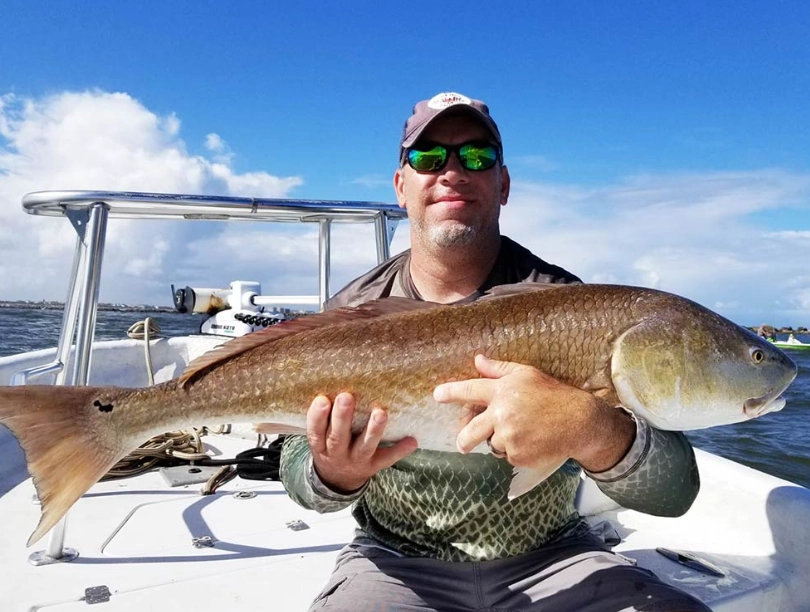
This guide is here to cut through the bureaucratic fog. We'll walk through why these licenses exist, the different types you might need, how much they cost, where to get them, and all those little rules that trip people up. Consider this your one-stop shop to get from "confused" to "legally casting your line."
Why Do I Even Need a Fishing License?
It's a fair question. Why pay to do something as simple as fish? The short answer is that your license fee isn't a tax or a random charge. It's an investment. Nearly 100% of the money from fishing license sales goes directly back into state fish and wildlife agencies. We're talking about funding for:
- Fish Stocking: Raising and releasing fish like trout, bass, and walleye into lakes and rivers.
- Habitat Restoration: Improving waterways, creating fish spawning beds, and cleaning up pollution.
- Research & Conservation: Biologists studying fish populations to set sustainable catch limits.
- Public Access: Maintaining boat ramps, fishing piers, and public shoreline access points.
- Education & Safety: Funding educational programs for new anglers and boating safety initiatives.
So, when you buy a fishing license, you're not just buying permission. You're becoming a direct contributor to the health of your local ecosystem. It's a pretty good deal, if you ask me. Without this funding, many of the fisheries we enjoy simply wouldn't exist in their current state.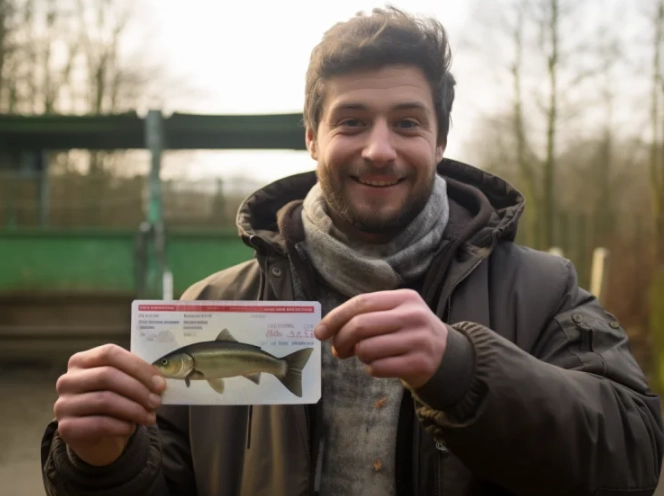
The Different Types of Fishing Licenses (It's Not One-Size-Fits-All)
This is where things can get confusing. States offer a menu of options. Picking the right one saves you money and hassle.
Resident vs. Non-Resident Licenses
This is the biggest price divider. A resident fishing license is for people who legally live in the state, usually for a minimum period (like 6 months). You'll need proof like a driver's license. A non-resident fishing license is for visitors and is almost always more expensive. Some states charge non-residents 2-3 times more. If you're planning a fishing vacation, factor this cost in.
Freshwater vs. Saltwater Licenses
Many coastal states split their licenses based on where you fish. A freshwater license covers ponds, lakes, rivers, and streams. A saltwater license (or permit) is needed for fishing in the ocean, bays, and estuaries. Some states, like Florida, require both if you plan to fish in all types of water. Others have a combined "all-water" license. Always check the specific water body.
Duration: From a Single Day to a Lifetime
- Short-Term: Perfect for tourists. Options include 1-day, 3-day, or 7-day licenses. Great for a weekend trip.
- Annual: The most common choice for regular anglers. Valid for a full year from the date of purchase or for a calendar year.
- Lifetime: A significant upfront cost, but a huge savings over the long run. Often available for residents of all ages and sometimes specifically for seniors or youth. It's a one-and-done purchase.
Specialty Licenses and Stamps
On top of your basic fishing license, you might need add-ons for specific species or activities. These are often called "stamps," "tags," or "permits." Common ones include:
- Trout Stamp: Required to keep trout, salmon, or steelhead in many states.
- Saltwater Stamp: An add-on to a basic license for ocean fishing.
- Federal Duck Stamp: Yes, a duck stamp! Required if you're fishing on a National Wildlife Refuge that requires one for entry.
- Special Permits: For fishing in specific high-demand waters (like certain trophy trout streams) or for particular methods (like commercial fishing).
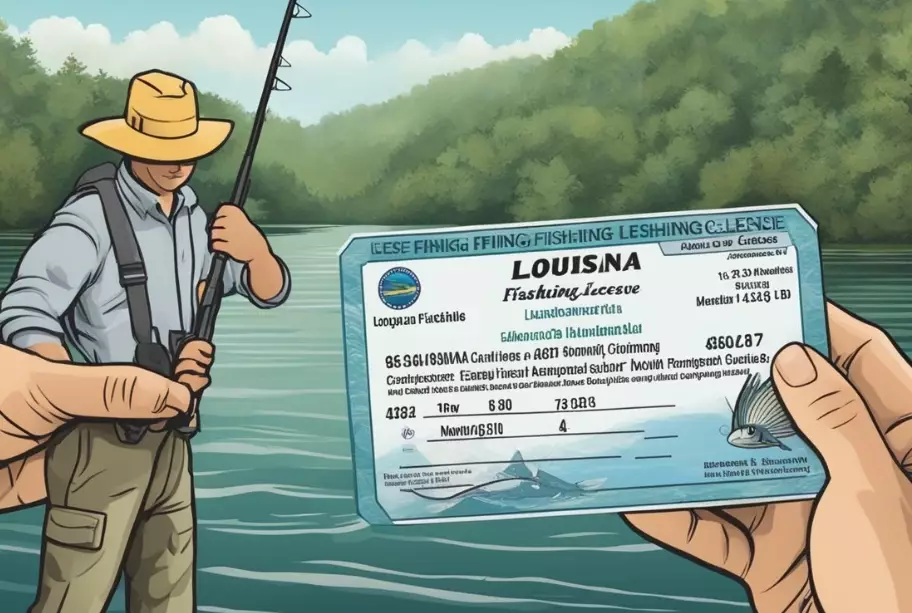
How Much Does a Fishing License Actually Cost?
Prices are all over the map, literally. To give you a rough idea, here's a comparison of average costs for a basic annual resident license. Non-resident prices are typically higher.
| State | Avg. Resident Annual License Cost | Notes |
|---|---|---|
| California | $54.00 | Often requires an Ocean Enhancement Validation for saltwater ($6.08). |
| Texas | $30.00 | Freshwater & Saltwater packages available. A popular all-water combo is $40. |
| Florida | $17.00 (Freshwater) $17.00 (Saltwater) |
You often need both. A resident annual combo is a better deal. |
| Michigan | $26.00 | Great Lakes salmon/trout require a separate stamp. |
| Colorado | $35.17 | Has a unique habitat stamp requirement ($10.13) for most licenses. |
| New York | $25.00 (Freshwater) | Marine fishing registry is free but required for saltwater. |
See what I mean? It varies. A senior resident license can be as low as $5 in some states, or even free. Youth licenses (often for ages 16 and under) are also frequently free or heavily discounted to encourage the next generation. The best way to find your exact cost is to visit your state's wildlife agency website.
Pro Tip: If you fish in multiple states, look into reciprocal agreements. Some neighboring states have deals for border waters.
Where and How to Buy Your Fishing License
Gone are the days of only buying at a dusty tackle shop (though you still can!). You have options.
Online (The Easiest Way)
This is my go-to method. Every state has an online portal. It's fast, you get a digital copy instantly, and you can print it at home. You can usually access it through your state's Department of Natural Resources (DNR) or Fish and Wildlife website. For example, you can buy a license online for California through the California Department of Fish and Wildlife or for Texas through the Texas Parks & Wildlife Department. Keep a screenshot on your phone – most wardens accept digital proof.
In-Person Vendors
These include:
• Big-box stores like Walmart, Bass Pro Shops, and Cabela's.
• Local bait and tackle shops (support small business!).
• Some hardware stores and even gas stations near popular fishing areas.
• Your state's wildlife agency office.
By Phone
Most states have a toll-free number. It's less common now but still an option if you're not internet-savvy.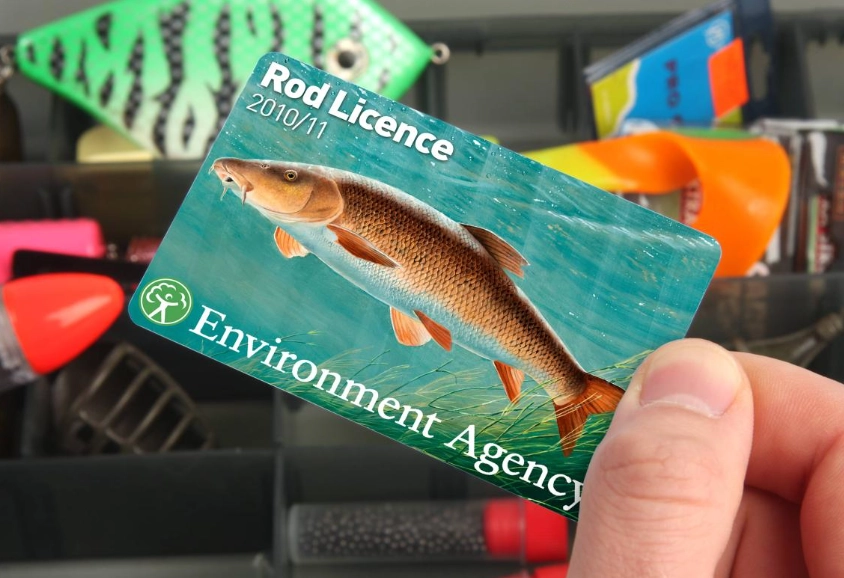
Rules, Regulations, and Not-So-Common Sense
Your fishing license is your ticket, but the rulebook is separate. Ignorance isn't an excuse, so here's a primer.
- Carry It: Your license must be on your person while fishing. A photo on your phone is usually okay, but a physical copy is safest in areas with poor cell service.
- Follow Seasons & Limits: Your license doesn't let you fish for any species, anytime. You must adhere to open/closed seasons and daily bag & possession limits. These exist to protect fish during spawning and ensure sustainable populations.
- Size Matters: Many fish have minimum (sometimes maximum) size limits. You need a measuring tape. Keeping an undersized fish is a common violation.
- Method Restrictions: Some waters are "artificial lures only" or "catch-and-release only." Your license doesn't override these specific waterbody rules.
Where do you find these rules? Each state publishes an annual fishing regulations digest. It's a booklet or a massive PDF. It's dense but essential. You can find it on your state's wildlife website. The U.S. Fish & Wildlife Service is also a key resource for federal regulations and conservation programs that intersect with state rules.
Who Doesn't Need a Fishing License? (The Exemptions)
There are exceptions, but they are specific and often misunderstood.
- Youth: Most states exempt children below a certain age (often 15 or 16). However, they must still follow all other rules (size, limits). Once they hit the age limit, they need their own license.
- Seniors: Many states offer free or heavily discounted licenses for residents over a certain age (e.g., 65+). It's not always automatic; you may still need to "purchase" the $0 license.
- Disabled Veterans/Residents: Significant discounts or free licenses are common for those with qualifying disabilities.
- Free Fishing Days: Nearly every state has 1-2 days per year where anyone can fish without a license. It's a promotion to get people hooked. But all other regulations still apply!
- Private Ponds: If you own the land and the pond is entirely on your property, and the fish didn't come from public waters, you usually don't need a license to fish there. The moment you step onto public water or a river, the rules apply.
Always verify exemption details with your local agency. Assuming you're exempt when you're not is a quick way to a fine.
Your Fishing License Questions, Answered
Let's tackle the stuff people are actually searching for.
Do I need a separate fishing license for my kayak or boat?
No. The fishing license is for you, not your vessel. However, if you are operating the boat, you may need a separate boating safety certificate or registration for the boat itself. That's a different system entirely.
I lost my fishing license. What now?
Don't panic. If you bought it online, you can almost always log back into your state's portal and reprint it. If you bought it in person from a vendor, you may need to contact the agency directly. There's usually a small fee for a replacement. It's another reason why keeping a digital copy is smart.
Is my fishing license valid in other states?
Generally, no. Your California fishing license is only valid in California. You must purchase a non-resident license for each state you fish in. The only exceptions are specific reciprocal agreements for certain boundary waters (like the Mississippi River between Iowa and Illinois). Always check.
What happens if I get caught fishing without a license?
It's a citation. A fine. The amount varies by state but can easily be $50 to $200 or more for a simple no-license violation. If you're also over the limit or have illegal gear, the fines escalate quickly. It's a misdemeanor in many places. It's just not worth the risk. Conservation officers (game wardens) are out there, and they are good at their jobs.
Can I gift someone a fishing license?
Yes! Many states offer gift certificates or vouchers. However, the recipient will still need to provide their personal info (SSN, residency proof) to actually "redeem" it and get the license issued in their name. You can't buy an anonymous license for someone else.
The Final Cast
Look, getting a fishing license might seem like a bureaucratic hurdle, but it's really the first step in being a responsible angler. It takes 10 minutes online, costs less than a nice fishing lure, and it does tangible good for the environment. It lets you relax and focus on the fun part – the fishing.
My advice? Don't overcomplicate it. Start with your state's Fish and Wildlife website. Figure out if you're a resident. Decide if you need freshwater, saltwater, or both. Buy the annual license if you'll fish more than a couple times, or a short-term if you're on vacation. Read the summary of regulations for the specific water you're targeting. Then go out, enjoy the water, and feel good knowing you're part of the solution.
It's that simple. Now go get your license, and tight lines!