The Complete Guide to Choosing the Perfect Fishing Boat
What should you know before buying your first fishing boat? This guide covers types, costs, essential gear, and maintenance to help you choose the perfect vessel.
Let's be honest. Staring at listings for fishing boats online can feel like trying to drink from a firehose. Aluminum, fiberglass, center console, bass boat, tiller, wheel... the options are endless, and the prices can make your eyes water. I've been there. I remember saving up for my first real fishing boat, scrolling through pages late at night, completely overwhelmed. Was a Jon boat good enough? Did I need a 90-horsepower motor or would 40 do? The whole process was a maze.
That's why I'm writing this. Not as some expert who knows everything, but as someone who's made a few costly mistakes and learned a ton along the way. This isn't about selling you the most expensive rig. It's about helping you find the right boat for your water, your budget, and your style of fishing. Because getting it wrong isn't just disappointing—it's expensive.
First Things First: What Kind of Water Are You Fishing?
This is the question that trumps all others. Your local water dictates almost everything. A boat perfect for the Great Lakes will be a nightmare on a shallow, weedy river. I learned this the hard way when I took a deep-V hull meant for big water into a marshy backcountry area. Let's just say I spent more time pushing off stumps than I did fishing.
So, be brutally honest with yourself.
Small Lakes & Ponds: Calm, protected water. You can get away with smaller, simpler, and more affordable boats here. Stability is often more important than a sleek, fast hull.
Rivers & Streams: Moving water, potential for shallow drafts, and obstacles like rocks and logs. You need a tough hull (aluminum is king here), a shallow draft, and good maneuverability. A jet drive motor might be worth considering to avoid prop damage.
Large Lakes & Reservoirs: Water can get choppy. You'll need a boat with more freeboard (sides) to keep water out, a deeper V-hull to cut through waves, and enough power to get back to the dock safely if the weather turns.
Coastal/Bay & Offshore: This is serious boating. Your fishing boat needs to be seaworthy, with self-bailing decks, significant fuel capacity, robust construction, and reliable navigation/safety equipment. This is not where you cut corners.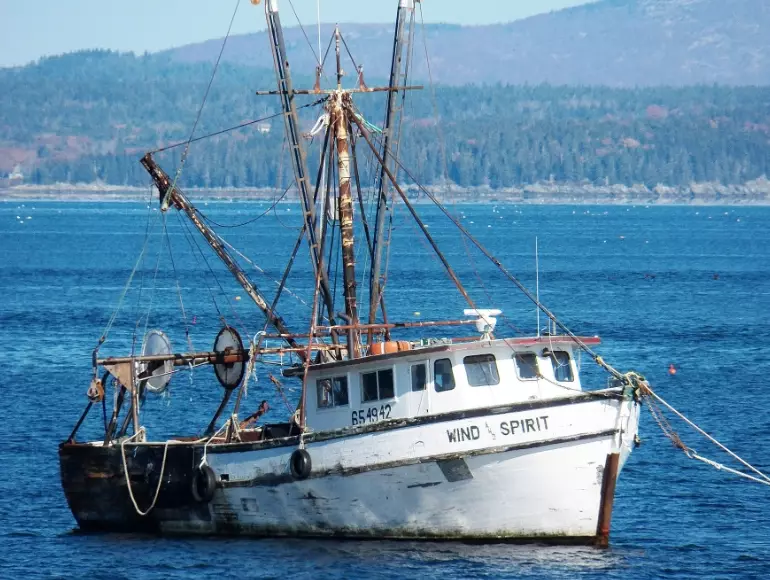
Breaking Down the Different Types of Fishing Boats
Once you know your water, you can narrow down the type. Think of this as choosing the right tool for the job. You wouldn't use a sledgehammer to hang a picture frame.
Jon Boats: The Affordable Workhorse
The classic flat-bottomed, rectangular aluminum boat. They're incredibly popular for a reason: they're cheap, stable for their size, lightweight, and can float in just a few inches of water. You'll see them everywhere on small lakes and rivers. They're usually powered by small outboards or even electric trolling motors.
Bass Boats: The Speed Demons
Built for one purpose: tournament-style bass fishing. They are low to the water, incredibly fast (with powerful outboards), and packed with features. Think raised casting decks at the bow and stern, live wells, tons of storage for rods, and a console full of fish-finding electronics. The hull is designed for quick planing and smooth riding in protected waters.
They are not, however, all-purpose boats.
They have a low freeboard, making them less ideal for large, rough water. They can also be expensive to buy and maintain. But if your world revolves around bass fishing in lakes and reservoirs, there's nothing more efficient.
Center Console Boats: The Ultimate All-Rounder
This is arguably the most versatile fishing boat design ever created. The console is in the center, giving you 360-degree walk-around access to the gunwales. They're open, uncluttered, and perfect for everything from inshore saltwater fishing to chasing walleye on the Great Lakes. They handle rough water much better than a bass boat or Jon boat.
You can find them in a huge range of sizes, from 18 feet up to 50+ feet for serious offshore work. This flexibility makes them a top choice for anglers who fish diverse water types.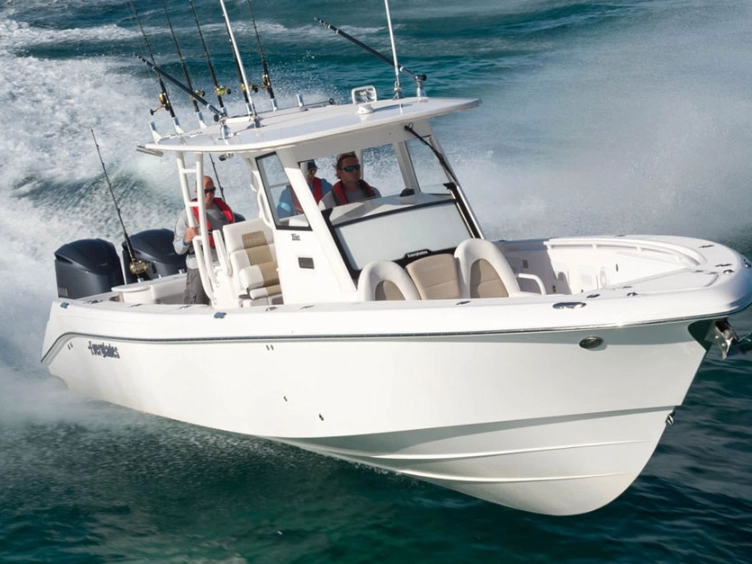
Bay Boats / Flats Boats: The Shallow Water Specialists
Designed for fishing extremely shallow saltwater flats, bays, and backwaters. They have a very shallow draft, often with a poling platform for silently stalking fish. They are typically center console designs but are lighter and more minimalist. While specialized, their popularity has grown for inshore anglers who prize stealth and access to skinny water.
Walkarounds and Cuddy Cabins
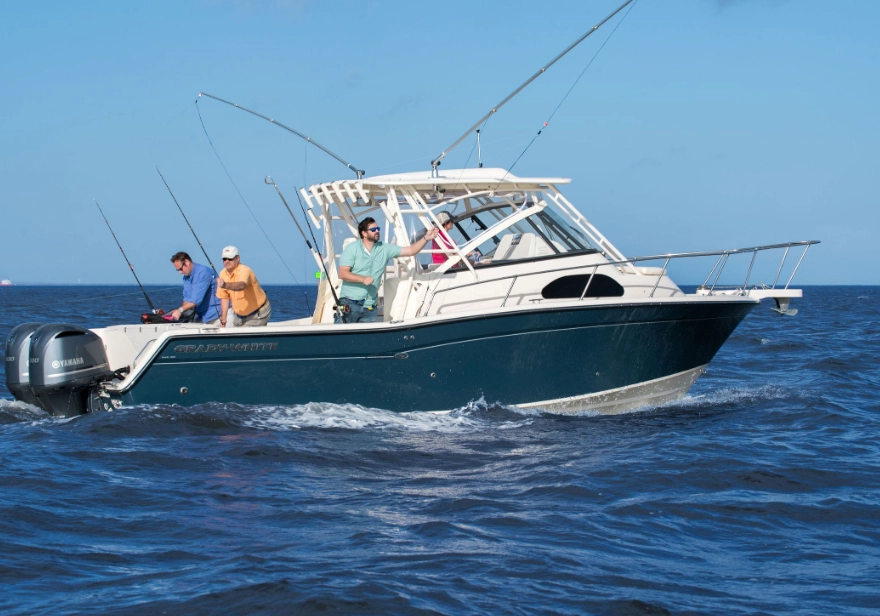
These boats add a small enclosed cabin (a "cuddy") at the bow, providing shelter from weather, a place to store gear, and sometimes a basic toilet. You still have a walkway around the sides to get to the bow. This is a great compromise for anglers who fish bigger, colder waters or who want the option for occasional overnight trips. The cabin adds weight and cost, and usually reduces the open deck fishing space compared to a pure center console.
The Great Debate: Aluminum vs. Fiberglass Fishing Boats
This is the classic showdown. Each material has its fanatical followers. Here's the real-world breakdown.
| Feature | Aluminum Fishing Boats | Fiberglass Fishing Boats |
|---|---|---|
| Durability & Damage | Very tough against impacts (rocks, stumps). Can dent but rarely cracks. Easy to weld and repair locally. | Strong hull, but can crack or spiderweb on hard impacts. Gel coat scratches are common. Repair requires specialized skills. |
| Weight & Performance | Lighter. Easier to tow with a smaller vehicle. Often gets on plane faster with less horsepower. | Heavier. Provides a smoother, drier ride in choppy water as the weight absorbs waves better. Tends to track straighter. |
| Maintenance | Very low. Doesn't fade or oxidize like gel coat. No need to wax. Check for loose rivets or corrosion. | Higher. Needs regular washing and waxing to protect the gel coat and prevent oxidation. Blisters can be an issue in older boats. |
| Cost | Generally less expensive to buy new and insure. A major point for budget-conscious anglers. | Typically more expensive upfront. The molding process for complex hull shapes is costlier. |
| Customization | Modular. Easy to bolt on accessories like rod holders, downriggers, or extra seats. | Integrated. Storage, live wells, and seating are often built into the hull design, looking cleaner. |
| Best For | Freshwater rivers, small lakes, rocky shorelines, budget buyers, DIY anglers. | Large lakes, coastal bays, offshore, anglers who prioritize ride quality and finish. |
My take? I own an aluminum boat for my river fishing. I'm not gentle with it, and I don't want to worry about every scratch. But when I charter for offshore species, I'm always glad to be on a hefty, stable fiberglass boat. There's no universal "best."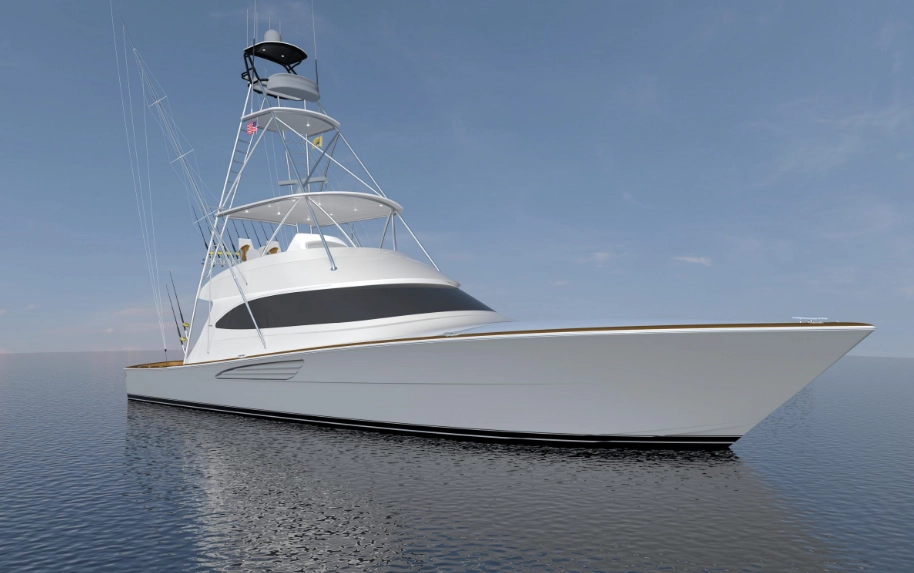
Size, Power, and Trailer: The Nuts and Bolts
How Big of a Boat Do You Really Need?
Bigger isn't always better. A bigger boat means more cost (purchase, fuel, storage, insurance), a heavier trailer, and a need for a more powerful tow vehicle. A good rule of thumb: get the smallest boat that can safely and comfortably handle your primary fishing water. For 1-2 people fishing small to medium lakes, a 16-18 foot boat is often the sweet spot. Add more people or bigger water, and you're looking at 18-22 feet.
Outboard Motor Power
Always check the boat's maximum horsepower rating plate. It's there for safety and legal reasons. While you don't need to max it out, under-powering a boat is a genuine safety hazard. You need enough power to plane the boat efficiently and get back to shore against wind and current. For a typical 17-foot aluminum fishing boat, a 50-75hp motor is common. For a 20-foot center console, you might be in the 150-200hp range.
The Trailer (The Forgotten Essential)
You're not just buying a boat; you're buying a boat-on-a-trailer. A bad trailer will ruin your day. Make sure it's the right size and weight capacity for your boat. Look for galvanized or aluminum trailers if you launch in saltwater to prevent rust. Check the tires (including the spare!), bearings, lights, and winch. A trailer with a malfunctioning brake light can get you a ticket.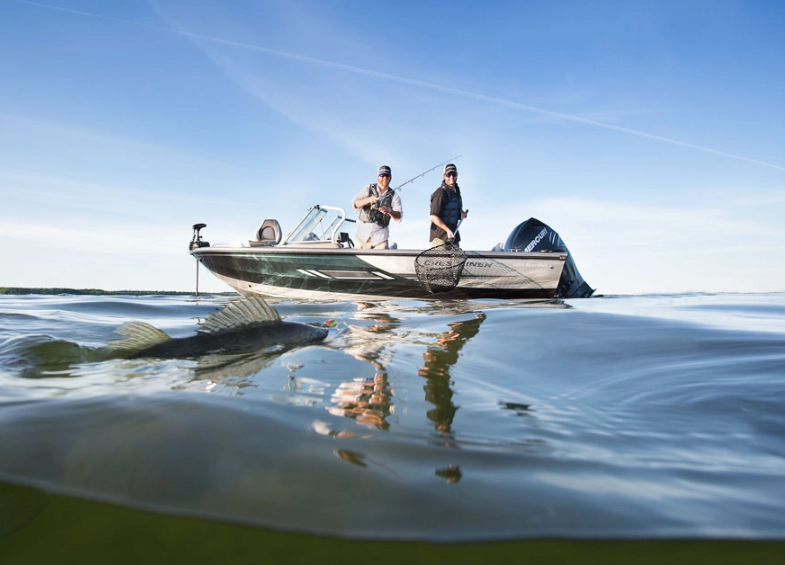
The True Cost of Owning a Fishing Boat
The purchase price is just the entry fee. You need to budget for the ongoing costs, or your new fishing boat will become a financial anchor.
- Insurance: Required by most marinas and a very good idea. Cost varies by boat value and use.
- Registration & Taxes: Your state will require registration and likely charge annual property taxes.
- Storage: Where will it live? Your driveway (free), a storage lot ($50-$200/month), or a marina slip (can be very expensive)?
- Fuel & Oil: Boats are not fuel-efficient. Calculate your likely usage. Modern 4-stroke outboards are much better than old 2-strokes.
- Winterization & Maintenance: Annual engine service, lower unit oil changes, impeller replacement, hull cleaning, etc. This can easily cost $500+ per year if you pay a professional.
- Gear & Electronics: This is the fun part, but it adds up. Fish finder/GPS, trolling motor, batteries, life jackets, rods, tackle...
It's not meant to scare you, just to prepare you. I didn't budget for storage my first year and had a surprise bill.
Essential Gear for Your New Fishing Boat
Beyond rods and reels, here's what you actually need to have on board, both for fishing and for legal/safety compliance.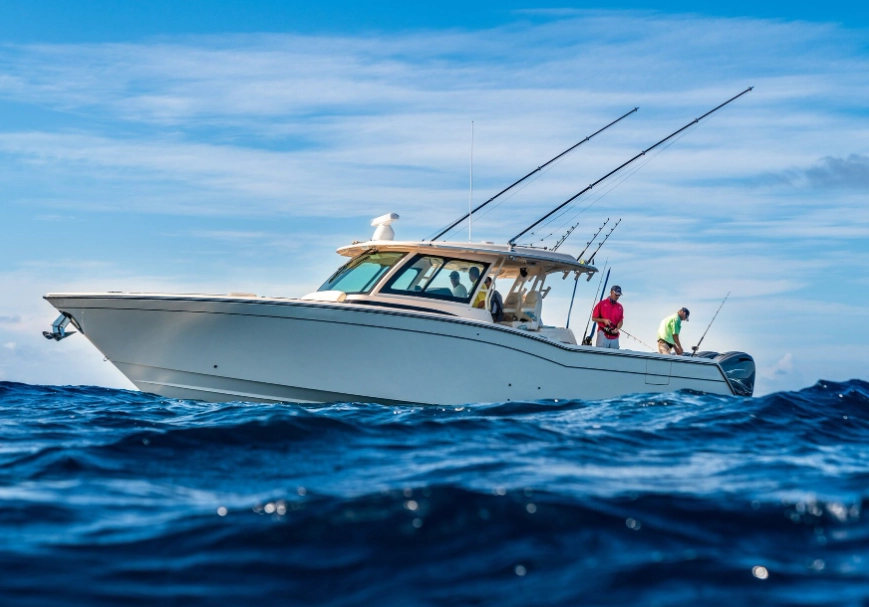
Safety Gear (Non-Negotiable)
This is governed by the U.S. Coast Guard. The requirements vary based on boat length, but for most recreational fishing boats, you must have:
- One USCG-approved life jacket (PFD) for each person on board, and they must be the correct size and accessible.
- Throwable flotation device (Type IV PFD) for boats 16ft and longer.
- Fire extinguisher (if you have enclosed compartments or a permanent fuel tank).
- Sound-producing device (whistle or horn).
- Visual distress signals (flags and/or flares) for coastal waters or large lakes.
- Navigation lights if you operate at night or in periods of reduced visibility.
The US Coast Guard Boating Safety Division website is the ultimate authority here. Check their official checklist.
Fishing-Specific Gear
- An Anchor & Line: Not just for stopping, but for positioning on a spot. Have enough line (a 7:1 ratio of line depth to water depth is a good rule).
- A Net with a Long Handle: Essential for landing fish, especially solo.
- Rod Holders: Keeps rods secure and allows for trolling.
- A Cutting Board & Pliers: For handling fish and cutting line.
- A Good Cooler: For fish, drinks, and food. A dedicated live well is a luxury on many boats.
Maintenance: Keeping Your Boat Happy
A little care goes a long way in preventing huge repair bills.
Weekly/After Each Use: Rinse the entire boat, inside and out, with fresh water. Flush the motor. Check the bilge for water or debris.
Monthly: Check trailer tire pressure and bearing buddies. Inspect battery terminals for corrosion. Check all safety gear.
Annually (Before Winter Storage): This is the big one. Change engine oil and lower unit gear oil. Replace the water pump impeller (every 2-3 years). Grease all fittings. Stabilize the fuel. Remove the battery and store it on a tender.
For fiberglass boats, a good wash and wax in the spring will protect the gel coat all season. For aluminum, just make sure it's clean and dry.
New vs. Used: The Pros and Cons
New Fishing Boat: You get a warranty, the latest features, and peace of mind. No hidden problems. But you pay a premium and take the biggest depreciation hit.
Used Fishing Boat: This is how most people get into boating. You get more boat for your money. The key is a thorough inspection. Never buy a used boat without a water test. Check the hull for cracks or major damage. Compression test the motor. Look for soft spots in the deck (on fiberglass). Ask for all maintenance records.
The used market is full of gems and full of nightmares.
Consider hiring a marine surveyor for an expensive used boat—it's a few hundred dollars that could save you thousands. Resources like DiscoverBoating.com's used boat checklist are invaluable.
Common Questions Answered (Stuff You Were Afraid to Ask)
Final Thoughts Before You Buy
Choosing the right fishing boat is a deeply personal decision. It's about matching a machine to your lifestyle. Forget the flashy ads and the peer pressure. The best fishing boat is the one you'll use often, that fits your life, and that doesn't cause financial stress.
Go to boat shows, sit in different models, and ask owners what they like and dislike. There's no substitute for real-world experience. And when you finally make your choice and get out on the water for that first solo trip, all the research will be worth it. The feeling of independence, of being able to chase fish wherever you want, is pretty special.
Just remember to pack the sunscreen. And maybe an extra paddle.