Deep Sea Fishing: The Ultimate Guide to Gear, Fish, and Epic Catches
Ever dreamed of battling a giant tuna or reeling in a monster marlin? This complete deep sea fishing guide covers everything from choosing the right charter and essential gear to proven techniques for landing trophy fish, ensuring your offshore adventure is a success.
Let's be honest. The idea sounds way better than it sometimes is. You've seen the pictures – someone grinning like a maniac, holding up a fish the size of a small child, with nothing but perfect blue water in the background. The sun is shining, the water is calm, and it looks like the best day ever. I'm here to tell you it can be. But I'm also here to tell you about the other side. The side where you're three hours out, the swells are six feet, your breakfast is a distant memory you regret, and the only thing biting is your own sense of regret. I've been there. I've also had days so incredible they're burned into my memory forever. That's the gamble, and that's the thrill of deep sea fishing.
This isn't a glossy brochure. This is a straight-talking guide from someone who's spent more time than I'd like to admit (and money) figuring this stuff out. We're going to talk gear, we're going to talk fish, we're going to talk about not getting sick, and we're going to talk about how to actually have a good time out there in the big blue. Whether you're a complete newbie thinking about booking your first trip or someone who's been out a few times and wants to get more serious, there's something here for you. Forget the complex jargon for a minute. Let's just talk about going fishing, way out there.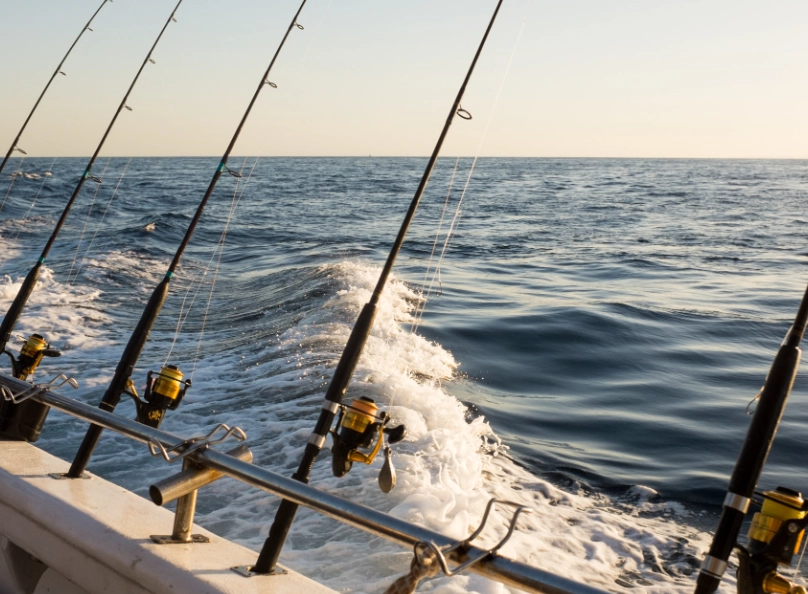
Why Bother Going Offshore Anyway?
You can fish from a pier. You can fish from a shore. Why spend the money and time to go miles out? The answer is simple: the fish. And I don't just mean more fish, I mean different fish. Bigger, stronger, more challenging fish. It's the difference between playing catch in your backyard and playing in the major leagues. The environment is totally different. The water is deeper, clearer, and holds pelagic species – the ocean travelers – that you'll simply never see close to shore.
The experience itself is a huge part of it. There's something profoundly peaceful and simultaneously exciting about being out of sight of land. It's just you, the boat, the crew, and a whole lot of ocean. The camaraderie on a good charter is fantastic. You're all in it together, cheering each other on when a rod bends double. It's an adventure, plain and simple. But it's an adventure you need to be prepared for.
Gearing Up: What You Actually Need (And What You Don't)
Here's a common mistake people make: they go buy a ton of fancy gear before their first trip. Stop. Most deep sea fishing charters provide all the specialist gear you need – rods, reels, heavy-duty tackle, bait, everything. Your job is to bring the personal stuff. Getting this wrong can ruin your day before you even see a fish.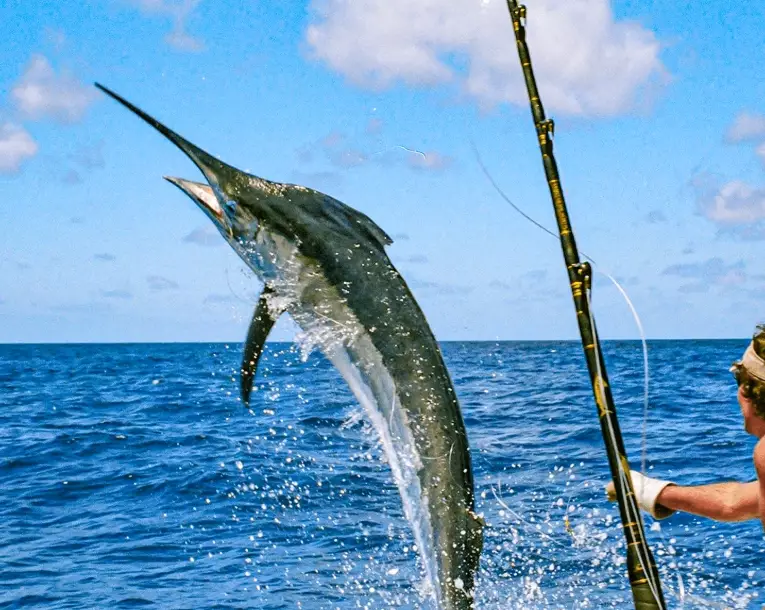
The Non-Negotiable Personal Kit
Think in layers. The weather can change, and the temperature on the water is always different from on land.
- Footwear: Non-skid, closed-toe shoes. Deck shoes or boat shoes are perfect. No flip-flops, no sandals. A wet, rolling deck is slippery. White soles are often preferred to avoid marking the boat.
- Clothing: Quick-dry, moisture-wicking fabrics. A long-sleeved synthetic shirt is your best friend for sun protection. A light, waterproof/windproof jacket is essential even on sunny days – that offshore wind gets chilly.
- Sun Protection: This is not a suggestion. It's a requirement. High-SPF, waterproof sunscreen (apply it before you get on the boat). A wide-brimmed hat that won't blow away. Polarized sunglasses – they cut the glare on the water and let you see into the depths. Trust me, you'll spot fish and structure you'd otherwise miss.
- Sea Sickness Meds: The great equalizer. Take them the night before and the morning of, as directed. Even if you "never get sick." The Gulf Stream or an offshore canyon doesn't care about your iron stomach. Better to have them and not need them.
What about rods and reels? If you're just starting out, don't invest yet. Use the boat's gear. It's suited to the local fish and techniques. Once you've gone a few times and know you're hooked (pun intended), then you can think about your own setup. A good all-around offshore rod and reel combo isn't cheap, but it's a joy to use.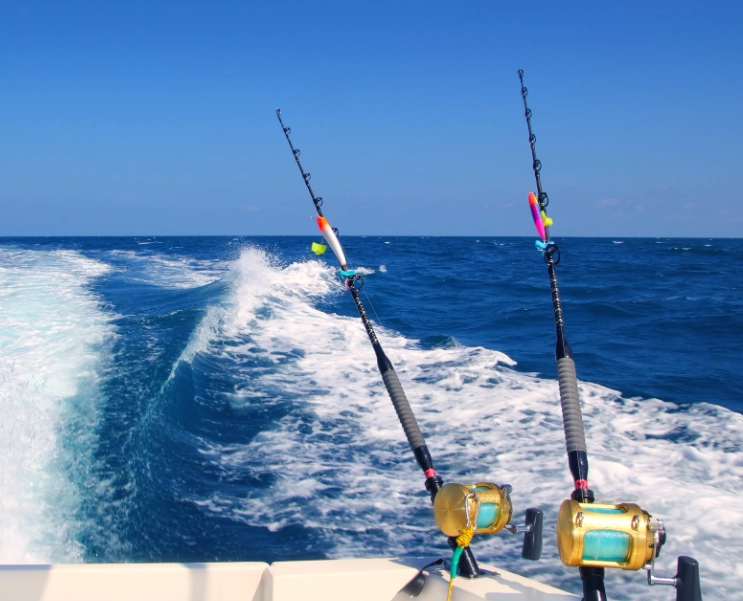
Choosing Your Deep Sea Fishing Charter: Don't Just Pick the Cheapest
This is the single most important decision you'll make. A great crew makes an average day good and a good day legendary. A bad crew... well, you get the idea.
Do your homework. Read reviews, but read them critically. Look for reviews that mention specific details – the captain's knowledge, the mate's effort, the condition of the boat. "Had a great time!" tells you nothing. "Mate worked tirelessly to get us on a school of mahi after a slow morning" tells you a lot.
Call them. Ask questions. A good charter captain or booking agent will be happy to talk.
- What's included? Rods, reels, tackle, bait, license, filleting? What's extra? Fuel surcharges?
- What's the target species this time of year? If they just say "fish," be wary. A good captain knows what's running.
- What's the boat like? How big? Restroom facilities? Shade? This matters more than you think on an 8-hour trip.
- What's your policy if the weather turns bad? Do you reschedule or refund?
I once booked a "discount" charter because it was $200 cheaper. The boat was cramped, the gear was rusty, and the mate spent more time on his phone than helping us. We caught one small fish. The $200 I "saved" cost me an entire day's vacation and a lot of frustration. Value, not just price.
The Main Event: What Are You Actually Trying to Catch?
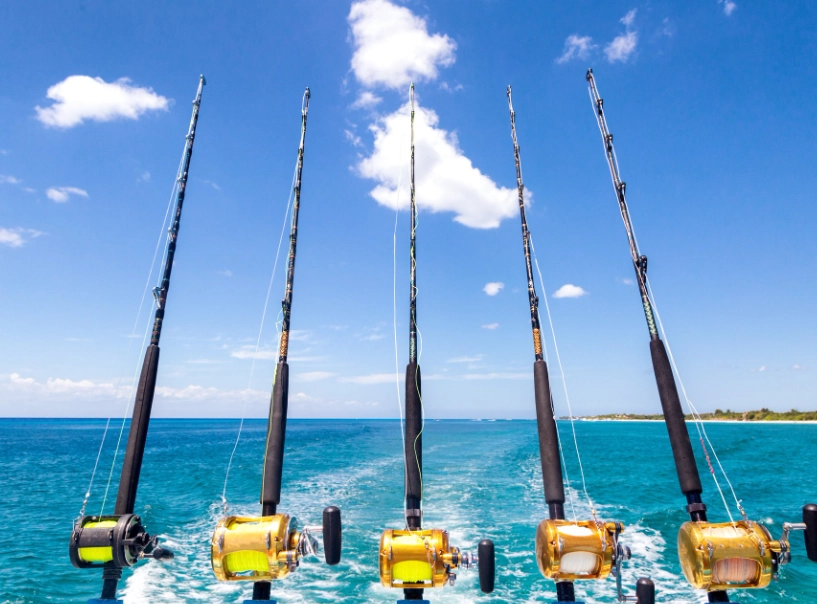
This varies wildly by location and season. Fishing in the Gulf of Mexico is different from fishing off the Carolinas, which is different from Southern California. But here's a rundown of some of the classic offshore trophies you might encounter. It helps to know what's on the end of your line when it starts pulling.
| Fish | Nickname / Characteristics | Fight Style | Prime Locations (Examples) |
|---|---|---|---|
| Blue Marlin | The blue-water legend. Huge, fast, acrobatic. | Powerful runs, spectacular jumps. A test of endurance. | Gulf of Mexico, Bahamas, Hawaii, Caribbean. |
| Yellowfin Tuna | "Ahi." Built like a football, pure muscle. | Deep, dogged, relentless puller. Doesn't quit. | Most warm waters worldwide. Canyons off Northeast US. |
| Mahi-Mahi | Dolphinfish. Vibrant green/gold, incredibly fast grower. | Acrobatic, fast, surface fighter. Great for light tackle. | Worldwide in warm waters, often near floating debris. |
| Wahoo | Razor-toothed speed demon. One of the fastest fish. | Blinding initial run. Often bites you off if not careful. | Florida, Bahamas, Gulf Stream, tropical waters. |
| Snapper & Grouper | Bottom dwellers. Not pelagic, but often targeted offshore. | Powerful, head-shaking fight straight up from the depths. | Rocky bottoms, reefs, wrecks in Gulf, South Atlantic. |
Seeing a mahi light up its colors as it jumps is something else. But hooking a big grouper and feeling it just bulldog its way back to the bottom? That's a different kind of power. Each species requires a slightly different approach, which is where your crew earns their keep.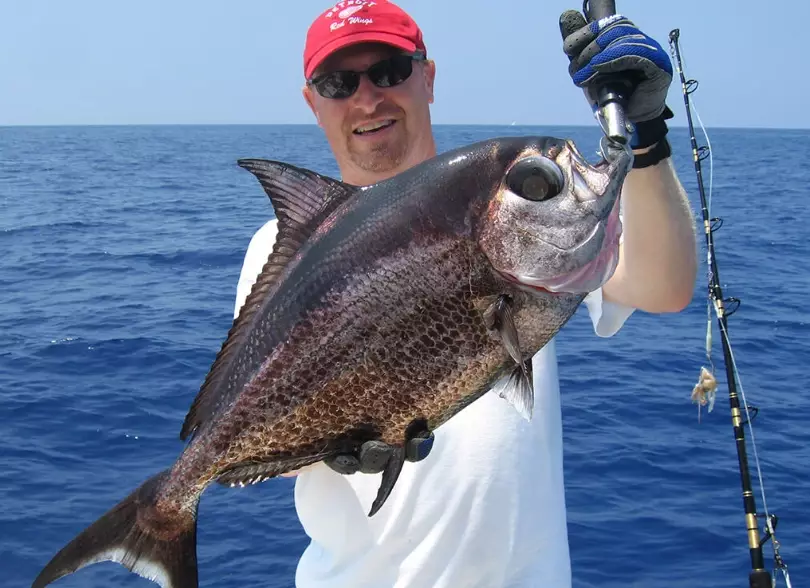
Techniques: It's Not Just "Throw It In and Wait"
Offshore fishing is active. You're usually either trolling, drifting, or bottom fishing.
Trolling
This is what you see in the movies. The boat moves slowly, dragging lines with lures or baits behind it. It's a search method, covering water to find active fish like marlin, tuna, and wahoo. It can involve outriggers to spread the lines wide. It's often a waiting game, then pure chaos when a line goes off.
Drift Fishing
The captain kills the engine, and you drift with the wind or current. You'll drop lines down with bait. This is excellent for targeting species like king mackerel, amberjack, or sharks that are mid-water. It's more relaxed than trolling, but you still need to pay attention.
Bottom Fishing
My personal favorite for a consistent, heavy-action day. You drop your rig, often with multiple hooks, all the way to the seafloor—maybe 200 feet down, maybe 600. You're targeting snapper, grouper, tilefish. You feel the sinker hit bottom, reel up a crank or two, and wait. The bite isn't always subtle. Sometimes it just feels like the bottom itself just moved. Then it's a straight-up strength contest to winch your prize up from the abyss. It's hard work, but incredibly satisfying.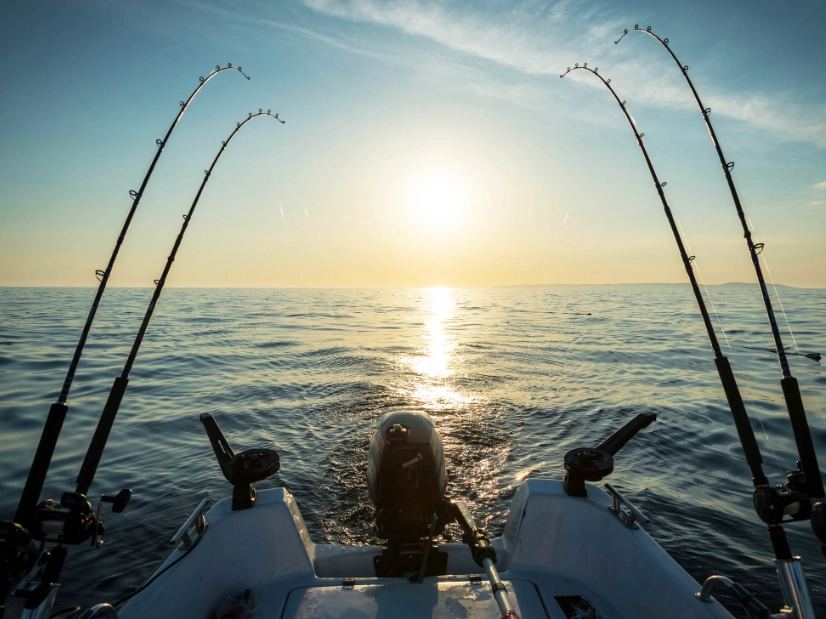
So, how do you know which technique you'll use? It depends on the season, the target, and the captain's read on the day. A good deep sea fishing trip often mixes it up.
The Not-So-Glamorous Stuff: Safety and Etiquette
Okay, let's get serious for a second. The ocean is not a playground. It's a powerful, unpredictable environment. Safety is rule number one.
Listen to the safety briefing at the start of the trip. Know where the life jackets are. Keep your balance – always have one hand for the boat. If you have to move around on a rolling deck, do it like a crab, staying low. Don't horse around near the rail.
Etiquette is just as important for a good day.
- Listen to the Crew: They're not your servants. They're professionals trying to get you fish and keep you safe. If they say reel in, reel in. If they say move, move.
- Line Management: This is huge. When you're not fishing, keep your rod in the holder or as directed. Don't let your line tangle with others'. Nothing kills the vibe faster than a giant "bird's nest" of tangled lines when a fish strikes.
- Fish Handling: Don't touch the fish unless the mate says it's okay. Some have sharp gills, teeth, or spines. Let them do the handling and unhooking. They're fast and know how to do it without hurting the fish (if releasing) or you.
- Tips: Tip your mate(s). Standard is 15-20% of the charter cost, split among them. They work incredibly hard for long hours, often for a low base pay. A good tip is expected and deserved for good service.
I was on a boat once where a guy refused to listen, kept his line out when we were moving spots, and snagged the propeller. We lost two hours of prime fishing time getting it untangled. Don't be that guy.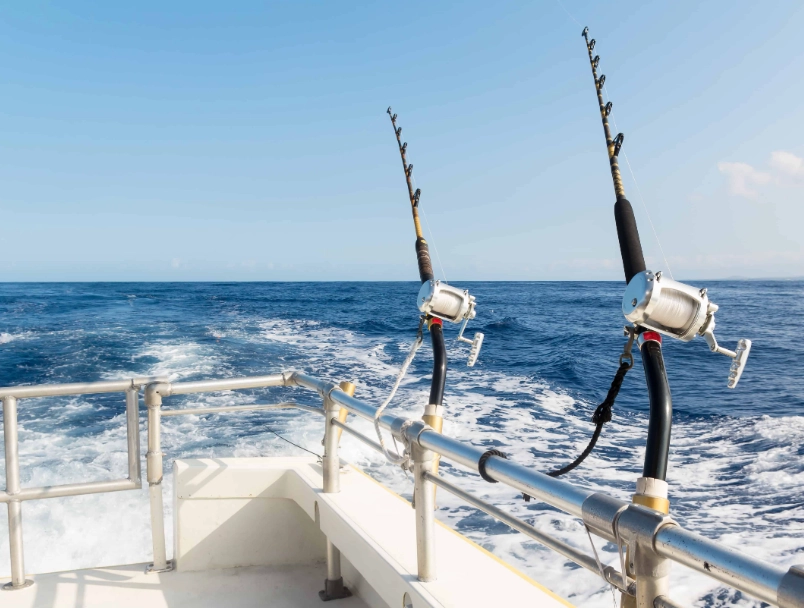
Answering Your Questions (The Stuff You're Really Wondering)
Let's tackle some of the specific things people google late at night when planning their trip.
How much does a deep sea fishing trip actually cost?
It's a big range. A shared party boat ("head boat") for a half-day of bottom fishing might be $100-$150 per person. A private 6-hour charter for 4-6 people can run $800-$1500. A full-day, ultra-luxury sportfisherman targeting marlin can be $2000+. The price reflects boat size, trip length, target species, and amenities. Always clarify what's included.
What are my chances of getting seasick?
Higher than you think. Even seasoned anglers have bad days. The key is prevention. Meds (like Dramamine or Bonine), taken early. Stay hydrated with water, not soda or beer. Avoid heavy, greasy foods the morning of. Stay on deck in the fresh air, focus on the horizon. If you feel it coming on, tell a crew member. They've seen it all and can help.
Can I keep the fish I catch?
Usually, yes, within regulations. The crew will typically clean and fillet your catch for you (sometimes for a small fee). But there are strict rules: size limits, bag limits (how many per person), and seasons. Some species are strictly catch-and-release. Your captain should know the latest regulations from entities like NOAA Fisheries or their state agency. Ignorance isn't an excuse for a fine.
Is deep sea fishing good for beginners?
Absolutely! A shared party boat or a private charter with an understanding captain is a perfect start. Just communicate that you're new. They'll set you up with appropriate gear and guide you through everything. The learning curve is part of the fun.
What's the best time of year to go?
It depends entirely on your location and target. Generally, late spring through early fall is peak for most pelagic species in temperate zones as water warms. But winter can be prime for some bottom fish or specific migrations. Research your specific destination. A local charter's website or a call will give you the real scoop.
Wrapping It Up: Making the Dream a Reality
Deep sea fishing isn't a guaranteed success. The fish don't have a schedule. Some days you'll limit out by noon, other days you'll work hard for a few bites. That's fishing. But if you go in with the right expectations, the right preparation, and the right crew, you are virtually guaranteed an unforgettable experience.
You'll come back smelling like bait and sunscreen, with tired arms and maybe a sunburned neck if you missed a spot. But you'll also come back with a new appreciation for the ocean, some wild stories, and if you're lucky, a cooler full of the freshest seafood you've ever tasted. There's nothing quite like eating fish that was swimming just hours before.
Start by researching a reputable charter in an area you want to visit. Ask the questions. Book the trip. Take the meds. Pack the right clothes. Listen, learn, and enjoy the ride. The ocean is waiting. And who knows? You might just end up in one of those pictures, holding a fish and grinning like a maniac, with the perfect blue water all around. This time, you'll know the whole story behind it.