Ultimate Guide to Artificial Lures: Selection, Techniques & How They Work
Ever wondered how artificial lures actually work to attract fish? This complete guide dives into different lure types, how to choose the right one for your fishing trip, and pro techniques to get more bites. Learn everything from hard baits to soft plastics and beyond.
Let's be honest. The first time you walked into a tackle shop and saw that wall of plastic, wood, and metal, it was overwhelming. Spinners, crankbaits, jigs, worms that aren't worms... it's enough to make you just grab a tub of worms and call it a day. I've been there. I've also spent a small fortune on lures that, frankly, just collected algae at the bottom of my tackle box.
But here's the thing. Once you get past the confusion, artificial lures aren't just fancy toys. They're tools. Incredibly effective tools that let you target specific fish, cover more water, and honestly, catch more fish once you know what you're doing. You don't need to buy them all. You just need to understand the handful that work for the fishing you do.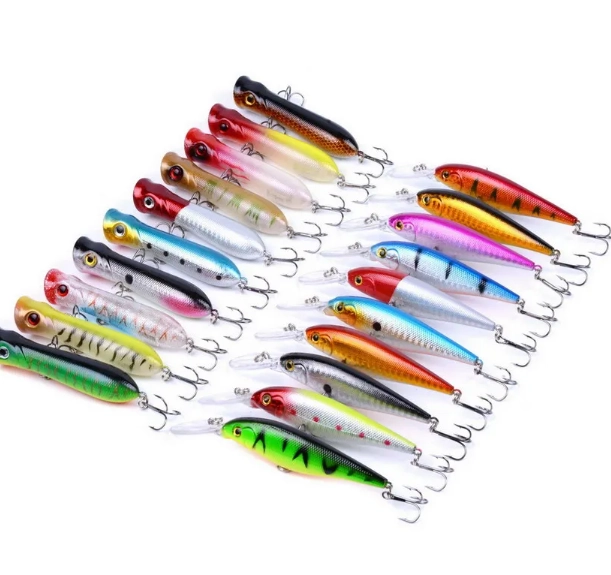
This guide is here to cut through the marketing hype and tell you what actually works. We're going to talk about how these things trick a fish's brain, which ones belong in your box, and the simple tricks to make them dance.
How Do Artificial Lures Even Work? It's Not Magic
Before we dive into types, let's clear up the mystery. A fish isn't staring at your lure thinking, "Hmm, a Rapala Original Floater, classic choice." They're using instincts honed over millennia. Good artificial lures tap directly into those instincts.
Sight: This is the big one. Shape, size, and color. A long, thin lure suggests a minnow. A bulky, crayfish-shaped one speaks for itself. Color comes into play based on water clarity and light. Bright colors in murky water, natural colors in clear water. It's not rocket science.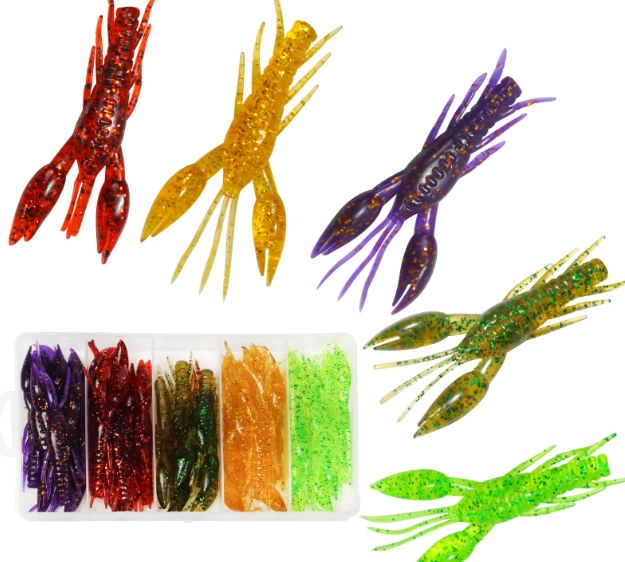
Sound & Vibration: Water carries sound way better than air. Rattle chambers in crankbaits, the *thump-thump-thump* of a spinnerbait blade, the subtle wobble of a spoon—these create vibrations fish can sense with their lateral lines (think of it as a full-body ear). In dirty water or low light, sound is often more important than sight.
Action: This is the "life" you give it. The erratic dart of a jerkbait, the steady wobble of a crankbait, the fluttering fall of a jig. The action triggers a predatory response. A perfectly straight retrieve often looks... dead.
So when you're choosing and using an artificial lure, you're really playing a game of stimulus and response. You're not just throwing a piece of plastic; you're sending a message.
The Main Cast: Types of Artificial Lures Explained
Okay, let's break down the usual suspects. I'm grouping them by how they're generally fished, not just by what they're made of.
Hard Baits: The Classics
These are your solid plastic or balsa wood lures. They have a built-in action you can count on with a simple retrieve.
Crankbaits: The workhorses. They have a plastic lip that makes them dive and wobble. You just cast and reel. Great for covering water and searching for fish. Some dive deep, some run shallow. Their biggest strength is also a weakness—they get hung up on everything. I've lost more than a few to submerged logs.
Jerkbaits: These are like the finesse cousins of crankbaits. Long, slender, and often suspending (they hover in place when you stop reeling). The magic is in the "jerk-pause-jerk" retrieve. That sudden dart and then freeze mimics a wounded baitfish. Incredibly effective in cool water. They require a bit more skill, but man, are they satisfying when a bass smashes it on the pause.
Topwater Lures: The most exciting way to fish, period. Poppers, walk-the-dog baits, prop baits. They stay on the surface, creating commotion—splashes, bubbles, gurgles. The strike is visual and explosive. Best used in low-light conditions (dawn, dusk) or over shallow cover. Not an all-day lure, but for pure fun, nothing beats it.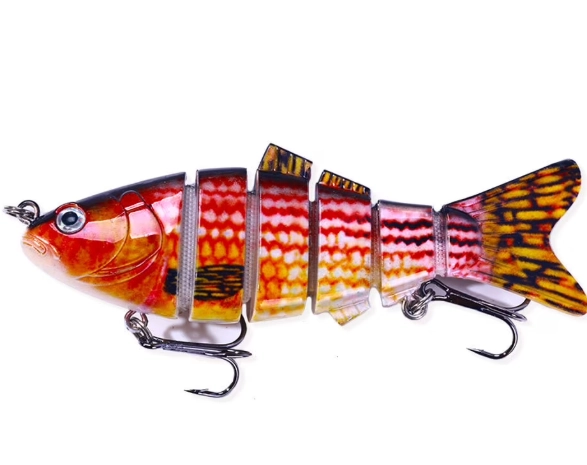
Soft Plastics: The Versatile Powerhouses
This is where modern fishing has really evolved. Soft, malleable lures you rig on a hook. The options are endless.
The Plastic Worm: Don't let the simplicity fool you. A Texas-rigged worm is one of the most effective bass catchers ever invented. It's weedless, so you can drag it through the thickest cover where big fish hide. You can fish it slow on the bottom, hop it, swim it. It's a masterclass in subtlety.
Creature Baits & Craws: These look like... well, creatures. Lizards, crayfish, weird alien things with tentacles. They excel when flipped or pitched into heavy cover—brush piles, docks, lily pads. Their multiple appendages pulsate and shimmy on the fall, driving bass nuts.
Swimbaits: These are the realistic ones. Molded to look like bluegill, shad, trout. They swim with an incredibly lifelike tail kick. You can get small ones for bass or massive, expensive ones for targeting giant muskies or pike. They're a commitment—often big, heavy, and pricey—but they catch big fish.
Metal & Spinners: Vibration Machines
Spinnerbaits: A safety-pin shaped wire with a lead head, a rubber skirt, and one or two metal blades that spin. They're incredibly versatile and relatively weedless. You can burn them just under the surface, slow-roll them deep, or "yo-yo" them off the bottom. The constant flash and vibration make them great in stained water.
Inline Spinners: Like a Mepps or Rooster Tail. Simple, timeless, and deadly for trout, panfish, and smallmouth bass. The blade spins directly around the wire shaft. Cast upstream in a river and let it swing across the current. It's a fundamental technique that just works.
Spoons: A curved piece of metal that wobbles and flashes on the retrieve. They can be cast or trolled. Simple, effective, and they've been catching fish for over a century. From little trout spoons to massive saltwater models, the principle is the same.
Choosing the Right Artificial Lure: A Practical Guide
So how do you pick? You don't need fifty. Start by asking yourself a few questions about where you're fishing.
- What species are you after? (Bass, trout, pike, walleye?)
- What's the water like? Clear or murky? Deep or shallow?
- What's the cover? Weeds, rocks, timber, open water?
- What's the season/water temperature? Fish behave differently in summer vs. fall.
Let's make this even simpler. Here’s a quick-reference table for common scenarios. This isn't a rigid rule, but a fantastic starting point to cut down on guesswork.
| Fishing Scenario | Top Lure Type Choices | Why It Works | Retrieve Tip |
|---|---|---|---|
| Murky/Stained Water, Searching for Bass | Spinnerbait, Lipless Crankbait, Chatterbait | Loud vibration and flash get noticed where sight is limited. | Steady, medium retrieve. Bump it into cover to trigger strikes. |
| Clear Water, Pressured Fish | Finesse Worm (on a drop-shot or shaky head), Jerkbait, Small Swimbait | Subtle, natural presentation that doesn't spook wary fish. | Slow, methodical. Long pauses are your friend. |
| Fishing Heavy Weeds & Lily Pads | Texas-Rigged Plastic Worm/Creature Bait, Topwater Frog | Weedless designs slide through snags where fish hide. | Cast past the cover, work it back through. Let the frog sit in holes. |
| Deep Water (Summer/Winter) | Deep-Diving Crankbait, Jig (with craw trailer), Spoon | Gets down to where the fish are holding in hot or cold conditions. | Slow roll or drag on bottom. A "slow death" retrieve can be key. |
| River Current for Trout/Smallmouth | Inline Spinner, Small Crankbait, Marabou Jig | Current gives them natural action. Flash attracts in moving water. | Cast upstream or across, let current swing the lure. Mend your line. |
See? You don't need everything. If you're a bass angler fishing lakes, a solid starter kit might be: a couple of crankbaits (shallow and deep), a spinnerbait, a topwater popper, a bag of soft plastic worms, and a jig. That's it. Master those before expanding.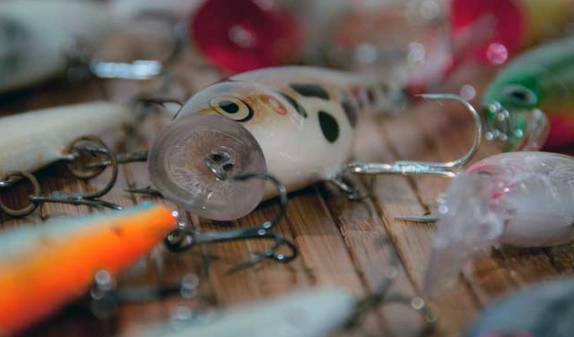
Techniques: It's Not Just Cast and Reel
This is where the art comes in. The retrieve is everything. A lure is just a tool; you're the one giving it life.
The Deadly Pause: This might be the single most important trick in fishing with artificial lures. Whether it's a jerkbait, a worm, or a topwater, stopping the lure completely often triggers the strike. Fish follow out of curiosity, and the pause makes them commit. Count to three, even five. It's harder than it sounds—we have a natural urge to keep reeling.
Matching the Hatch (Sort Of): Look around. Are there small bluegill skittering? Maybe throw a bluegill-colored swimbait. See insects on the water? A topwater might mimic that. You don't need to be a biologist, but paying a little attention to the natural food can point you in the right direction.
Speed Kills (Sometimes): A fast retrieve can trigger reaction strikes from aggressive fish. A slow, bottom-crawling retrieve can tempt inactive, lazy ones. When in doubt, start slow. It's easier to speed up than to slow down if you're not getting bites.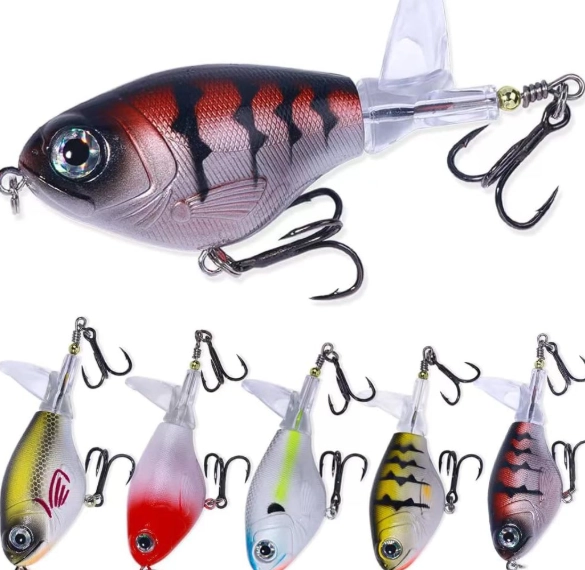
Common Myths & Mistakes We All Make
Let's clear the air on some stuff.
Myth: You need to "match the color exactly." Nope. Contrast and visibility are often more important. In greenish water, a bright chartreuse lure stands out. On a bright day in clear water, a more natural silver or shad pattern can look right. Don't stress over having 20 colors of the same worm.
Mistake: Not tuning your lures. A crankbait that pulls hard to the left is useless. You can gently bend the eyelet (the line tie) in the opposite direction to correct its swim. Most hard baits need a slight tune out of the package. Check them in clear shallow water before you fish.
Myth: More expensive always means better. Not true. Some of the most proven artificial lures are cheap and simple. A Mepps spinner, a Johnson Silver Minnow spoon, a basic jig head with a plastic grub. Price often gets you better hooks, better paint, and more consistent action, but a $20 mega-swimbait isn't automatically better than a $5 squarebill crankbait.
Mistake: Giving up too fast. This is the big one. You'll see guys make three casts with a lure and switch. Fish a lure with confidence for a good 15-20 minutes in a promising area. Work it fast, slow, with pauses. Really learn what it can do before you ditch it.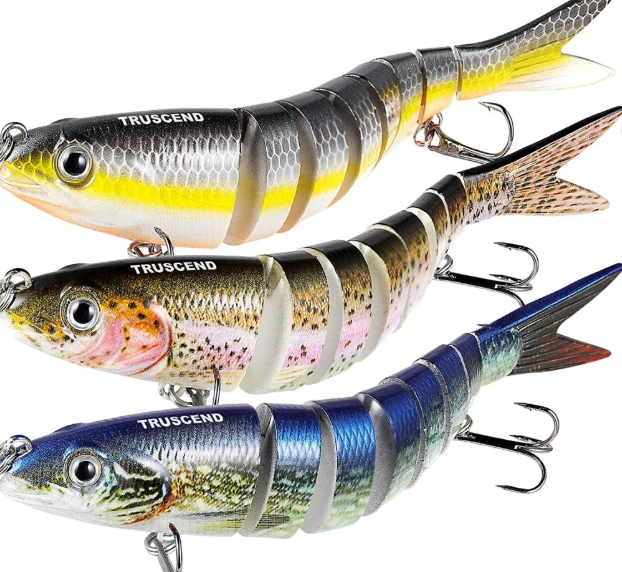
Answers to Real Questions Fishermen Ask
I hear these all the time, online and at the boat ramp.
Q: Are artificial lures really better than live bait?
A: "Better" is the wrong word. They're different. Live bait is often more consistent because it's, well, alive and smells real. But artificial lures let you cover more water, fish deeper or in heavy cover more easily, and target specific fish more aggressively. They're also cleaner and more convenient. It's not a competition; use the right tool for the job. Sometimes that's a minnow, sometimes it's a crankbait.
Q: How many artificial lures do I actually need to start?
A> Far fewer than you think. I'd say 5-7 total, chosen based on the table above for your local waters. A beginner's mistake is buying a huge, disorganized box full of random stuff. Start small, learn each one inside and out.
Q: Why do I keep getting snagged and losing lures?
A> It happens to everyone. You're often fishing where the fish live—in the snags. To minimize loss: 1) Use weedless setups (Texas rigs) in heavy cover. 2) Choose lures that run just above the bottom, not digging into it. 3) Learn to "feel" your lure and lift your rod tip before it hits an obstacle. And accept that losing a few is just part of the cost of doing business.
Q: Do I need special rods and reels for lures?
A> It helps, but don't panic. A medium-power, fast-action spinning rod is the most versatile starter for artificial lures under 3/8 oz. As you get more serious, you might want a baitcasting setup for heavier lures like crankbaits and spinnerbaits for better control. But your existing gear is probably fine to start.
Final Thoughts: Keep It Simple
The world of artificial lures is deep. You could spend a lifetime learning nuances. But don't let that intimidate you. Start with the basics. Pick two types from this guide that sound like they'd work on your home water. Go buy one of each in a sensible color. Go fish them. Not for an hour, but for a few trips. Pay attention to how they move, when you get bites, when you don't.
That's how you learn. Not by reading articles (though I hope this helps), but by making casts, losing lures to trees, and feeling that thrilling thump on the end of your line. That's the moment it all clicks. You realize you're not just throwing a piece of plastic. You're having a conversation with the fish, and you just said the right thing.
Now go get your line wet.