Fishing Tips That Actually Work: A Real Angler's Guide to Catching More Fish
Tired of coming home empty-handed? Discover proven fishing tips that cover everything from choosing the right gear and reading the water to mastering essential techniques. This no-nonsense guide is packed with actionable advice to help you catch more fish, no matter your skill level.
Let's be honest for a second. The internet is flooded with generic fishing advice. "Use sharp hooks." "Fish where the fish are." Thanks, Captain Obvious. I remember sitting on the bank for hours as a kid, using whatever worm I dug up, casting into the same spot, and wondering why the old guy down the shore kept pulling them in. He wasn't doing anything magical. He was just paying attention to a few simple things I was completely ignoring.
That's what this is about. This isn't a list of theoretical ideas. These are fishing tips forged on muddy banks, in bouncing boats, and through more than a few skunked trips than I'd care to admit. We're going to break down the process from the moment you think about going fishing to the moment you're cleaning your catch (or releasing it). We'll talk gear, location, technique, and the mindset that makes the difference.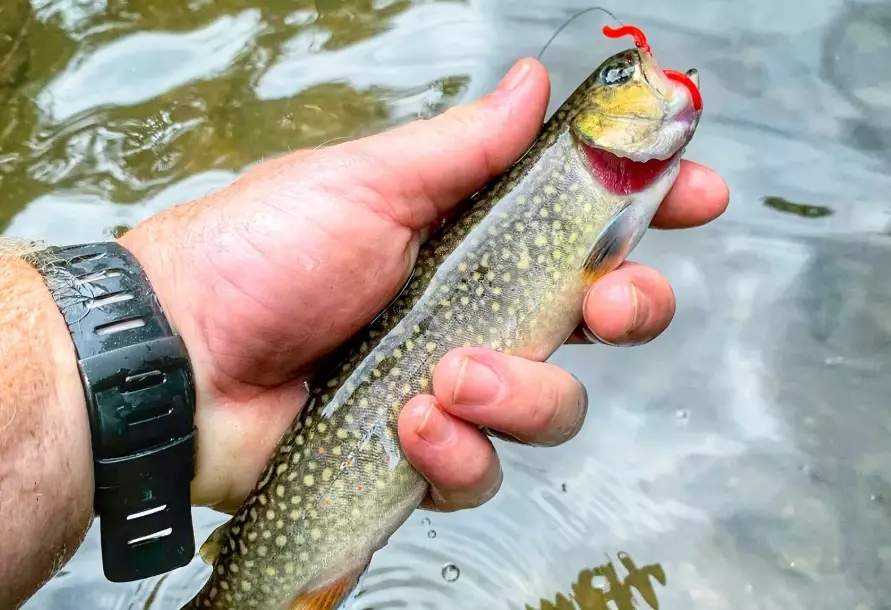
Why listen to me? Well, I'm not a famous tournament angler. I'm just someone who's spent a lifetime figuring it out, making every mistake in the book so you don't have to. I've also leaned heavily on resources from places like the U.S. Fish & Wildlife Service for regulations and conservation practices, because doing it right matters.
Before You Even Leave the House: The Planning Stage
This is where most weekend trips are won or lost. You can't just grab a rod and hope for the best. Well, you can, but you'll be hoping a lot.
Choosing Your Target and Gear
What are you fishing for? This seems basic, but it dictates everything. Bass, trout, panfish, catfish—they all behave differently and eat different things. My first major mistake was using a huge nightcrawler for trout in a clear stream. The fish were terrified of it. A tiny piece of worm on a small hook was the ticket.
Your gear needs to match your target. This doesn't mean spending thousands. It means thinking about it.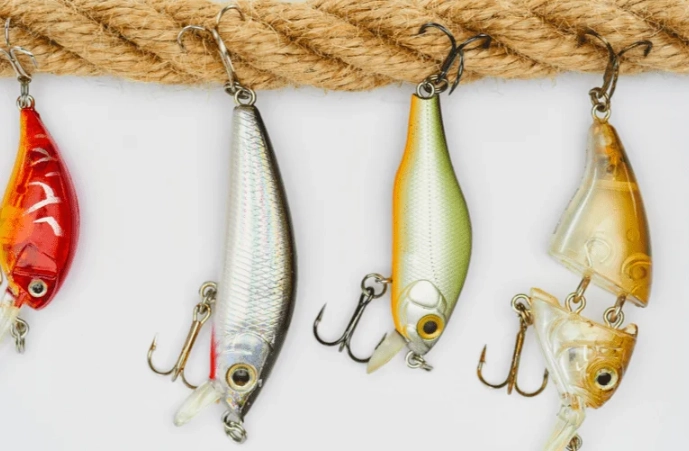
The Non-Negotiable Gear Checklist
- Rod & Reel Combo: A medium-action spinning combo is the Swiss Army knife for beginners. It can handle a variety of fish and techniques. Don't get sucked into buying the cheapest combo at the big-box store; a slightly better one will last years and cast much easier.
- Line: This is your direct connection. Monofilament is forgiving and cheap, great for learning. Braid is super strong and sensitive but can be visible. Fluorocarbon is nearly invisible underwater. I mostly use 6-10 lb monofilament for general freshwater fishing. Check it for nicks often!
- Hooks: Sharp, sharp, sharp. Dull hooks lose fish. I keep a small hook sharpener in my box. Size matters too—match the hook to the bait and the fish's mouth.
- Weights & Bobbers: Split shot sinkers for getting bait down. A simple round bobber for live bait fishing. Keep it simple to start.
- Pliers & Nippers: For removing hooks and cutting line. Essential.
- A Net: Seriously, get a net. It saves so many fish at the side of the boat or shore.
One of the best fishing tips I ever got was to organize my tackle box by species/technique, not by type of lure. One section for bass plastics, one for trout spinners, one for terminal tackle (hooks, weights). It saves so much fumbling around.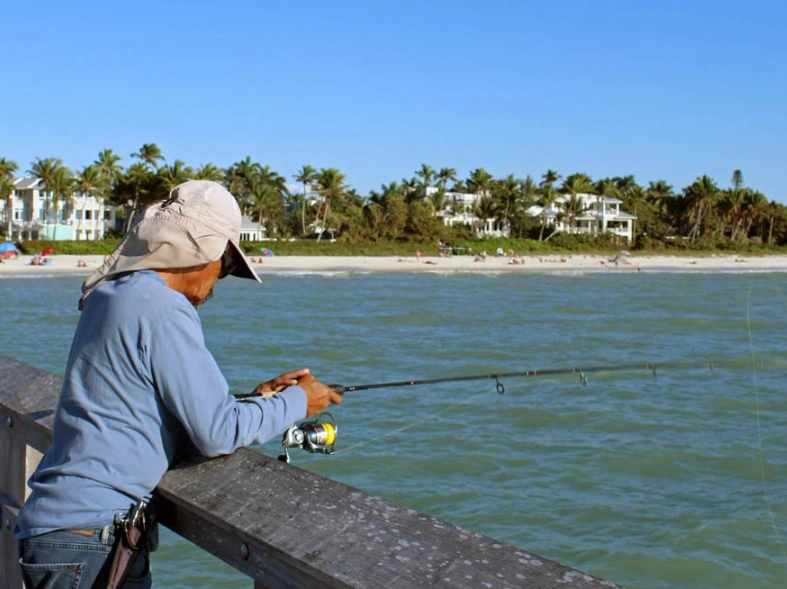
Scouting Your Location (Without Being There)
You're not exploring uncharted territory. Use the tools available. Google Maps satellite view is a godsend. Look for:
- Points of land extending into the water.
- Drop-offs (where the water color changes from light to dark).
- Inflowing streams or culverts.
- Docks, fallen trees ("structure").
I also check fishing reports, but I take them with a grain of salt. A local bait shop report from yesterday is gold. A generic statewide report from last week? Less so.
On the Water: The Execution Phase
Okay, you're here. The water's in front of you. Now what? This is where the rubber meets the road, and where most of your practical fishing tips come into play.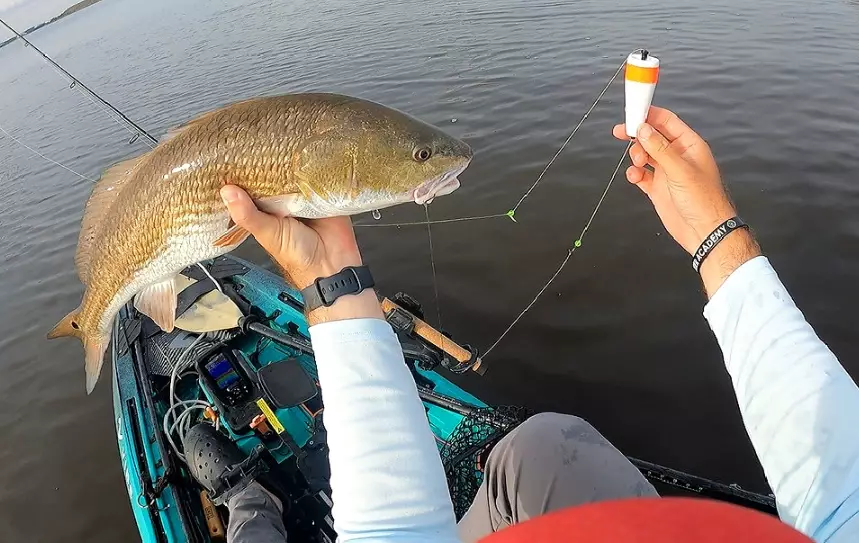
Reading the Water
Fish are lazy. They want to expend minimal energy for maximum food. They also need safety. Look for places that offer both.
Current Breaks: In rivers, look behind rocks, logs, or inside bends where the current slows. Fish wait here to ambush food drifting by.
Temperature Zones: On hot days, fish seek cooler, deeper water or spring holes. On cool mornings, they might move into shallow, sun-warmed flats.
Cover: This is any physical object—weed beds, lily pads, dock pilings, submerged brush piles. Predators use it for ambush; prey use it for hiding.
Food Sources: Are insects hatching? Are baitfish dimpling the surface? Birds diving? That's a dinner bell.
Fish are creatures of habit. Find the comfort zone.
Presentation is Everything
You can have the right lure in the right place, but if it doesn't look natural, you'll get ignored. This is a huge category of fishing tips.
For Live Bait: Keep it lively. A lethargic minnow or worm is a dead giveaway. Hook it properly so it can still move. For worms, I often "thread" it on the hook, leaving a little wiggling end. For minnows, hook them lightly through the lips or just behind the dorsal fin.
For Artificial Lures: You have to give them action. A crankbait reeled at a steady pace. A jerkbait... jerked. A soft plastic worm hopped or dragged along the bottom. The retrieve is where you impart the illusion of life. Vary it until you find what works.
The Top 3 Techniques Every Angler Should Master
Forget trying to learn 20 techniques. Get really good at these three, and you'll catch fish anywhere.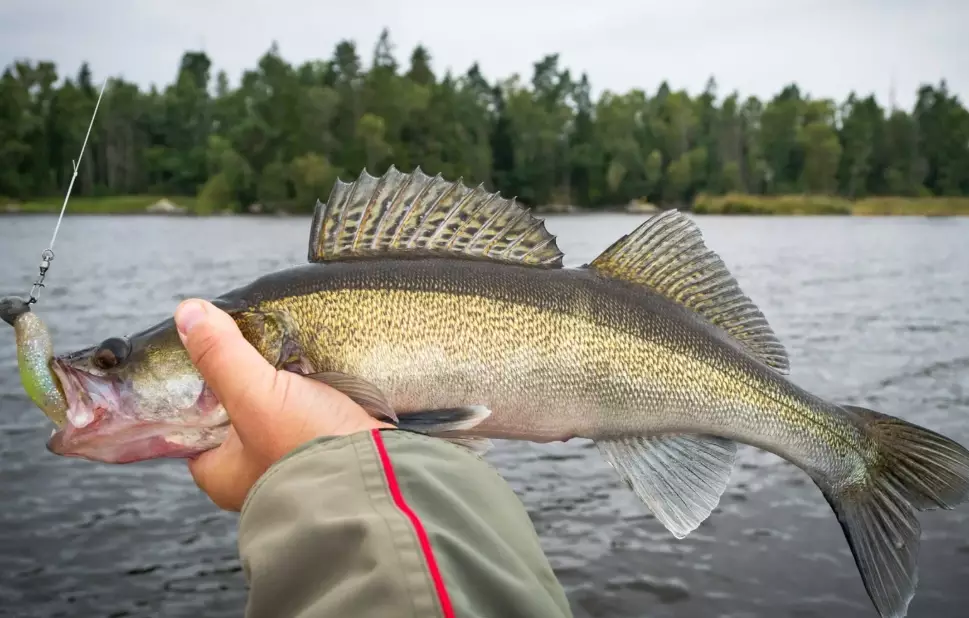
| Technique | Best For | Core Concept | My Personal Take |
|---|---|---|---|
| Bobber Fishing | Beginners, panfish, trout, wary fish in clear water. | Suspends live bait at a precise depth. The bobber "telegraphs" subtle bites. | Underrated. It's not just for kids. A slip bobber lets you fish deep easily. Watching a bobber dip is pure joy. |
| Bottom Fishing / Carolina Rig | Catfish, bass, walleye—fish hugging the bottom. | Presents bait on the lake/river floor with a weight ahead of it to detect bites. | My go-to for lazy days or when fish are deep. Simple, effective. Use a sinker that's heavy enough to hold bottom but light enough to feel a bite. |
| Jigging (with a soft plastic) | Bass, walleye, panfish—versatile and deadly. | A weighted hook with a plastic body. You impart action by lifting and dropping the rod tip. | The most finesse-required technique here. It's an art. But when you get it right, it out-fishes everything else. Start with a simple curly-tail grub. |
The Mindset and Subtle Stuff
Gear and location are science. This part is the art. These are the fishing tips that separate the occasional catcher from the consistent angler.
Patience vs. Persistence
There's a difference. Patience is sitting in one spot for hours hoping something happens. Persistence is making 20 casts to a promising dock, then moving to the next one. Be persistent, not just patient. A good rule of thumb: if you haven't had a bite or seen a sign of fish in 20-30 minutes of trying different presentations in a spot, it's time to move. Unless everything tells you they should be there—then maybe dig in.
Stealth Matters
Fish feel vibrations and see shadows. Don't stomp on the bank. Don't let your kayak or boat hull slap the water. Wear dull-colored clothing. Approach casting spots quietly from a low angle. I've spooked more fish by being clumsy than by any other mistake.
Observe and Adapt
What's the wind doing? Did the sun just go behind a cloud? Did the bite shut off completely? The conditions are always changing, and so should you. If the topwater bite died at 10 AM, switch to a deeper-running crankbait or a drop-shot rig. If you see small fish scattering, a predator might be near.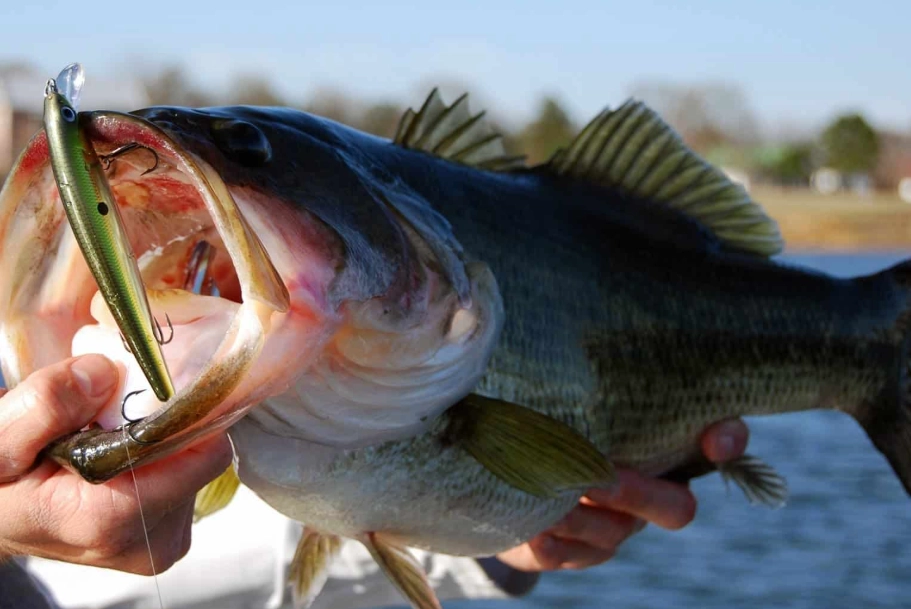
The best anglers are the best observers.
After the Catch: Ethics and Next Steps
This is critical. Whether you keep or release, do it right. It's part of being an angler. Resources like the Take Me Fishing guide on catch and release have solid, standard advice.
Handling Fish for Release
- Wet Your Hands: Before touching the fish. Dry hands remove their protective slime coat, making them vulnerable to disease.
- Support the Body: Don't hold a large fish vertically by the jaw alone. Support its belly.
- Quick Removal: Use those pliers. Back the hook out gently. If it's deep, it's often better to cut the line as close as possible rather than ripping it out.
- Revive It: Hold the fish upright in the water, moving it gently back and forth until it swims away strongly. Don't just toss it back.
Keeping Fish for the Table
Know the regulations—size limits, daily bag limits. They exist for a reason. Use a sharp knife or a dedicated fish scaler. Clean them promptly on ice. I find a cooler with ice is the best place to store fish until you get home.
Answers to Real Questions Anglers Ask
Let's tackle some specific things people type into Google. These are the fishing tips you need for specific situations.
Why am I not catching any fish?
Run down the checklist: Is your gear appropriate? Are you in a likely spot (cover, depth, current break)? Is your presentation natural? Are you being too loud? Are you fishing at a good time (often dawn/dusk)? If you answer "yes" to the first two, the problem is almost always presentation or stealth.
What is the single most important fishing tip for a beginner?
Learn to tie a good knot. The improved clinch knot is your best friend. A bad knot fails at the worst possible moment. Practice it at home until you can do it in the dark. Everything else builds from a secure connection.
How do I fish in the wind?
It's tough. Use heavier lures or weights to maintain control. Fish the windy side of the lake—the wind blows food and stirs up the water, often activating fish. Position your boat so the wind helps your presentation (e.g., drifting over a weed bed). And frankly, sometimes it's just miserable and not worth the fight.
What about barometric pressure?
Many anglers swear a falling barometer (before a storm) triggers feeding. A high, stable pressure can make fish finicky. I've seen it both ways. I don't let it dictate whether I go, but I might adjust my tactics. High pressure might mean finesse and deeper water.
How many fishing tips do I really need to know?
Not hundreds. You need a solid foundation in maybe a dozen core concepts. It's about depth of understanding, not breadth of trivia. Master the fundamentals in this guide—target identification, basic gear, reading water, a few presentations, and proper handling. That's 90% of it.
The journey of gathering fishing tips never really ends. There's always a new trick, a new lure, a new piece of water to figure out. That's the fun of it. It's a puzzle. Start with these foundational pieces. Pay attention on the water. Talk to other anglers (most are happy to share a tip or two). Respect the resource. Do that, and you'll stop hoping for bites and start expecting them. Now get out there.